
5 min read
950 words
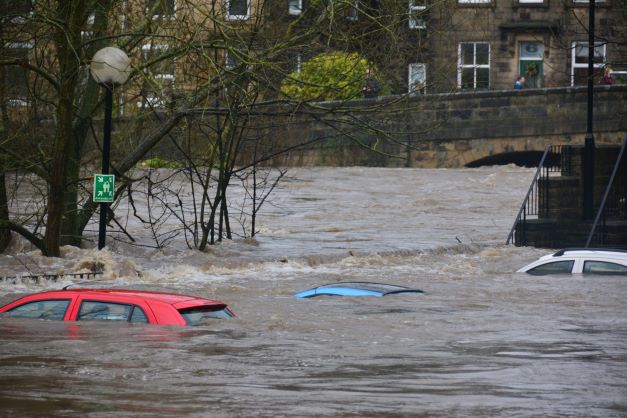
Imagine waking up to news of flash floods in your area. You look outside, and your heart sinks—your street has turned into a river, and your car is partially submerged. After the shock wears off, one urgent question comes to mind: Does my auto insurance cover flood damage? It’s a stressful situation, but we’re here to help you navigate it. The short answer is: yes, auto insurance can cover flood damage, but only if you have the right type of coverage.
Let’s break down exactly what you need, what to do if your car is flooded, and how the claims process works.
The Key Ingredient: Comprehensive Coverage
Standard, state-minimum auto insurance policies (liability-only coverage) are designed to pay for damage you cause to other people’s vehicles or property. They do not cover damage to your own car from weather, theft, or other non-collision events.
For flood protection, you need Comprehensive Coverage.
Think of comprehensive coverage as your car’s shield against “acts of God” and the unexpected. It’s an optional add-on that protects your vehicle from damage not caused by a collision.
Comprehensive coverage typically includes damage from:
- Floods (whether from hurricanes, heavy rain, or storm surges)
- Fire
- Theft and vandalism
- Falling objects (like tree branches or hail)
- Collisions with animals (like a deer)
If you have comprehensive coverage on your policy, you’re in a good position to be covered for flood damage, minus your deductible.
How Do I Know If I Have Comprehensive Coverage?
Not sure what your policy includes? Here’s how to check:
- Look at Your Policy Declarations Page: This document, often the first page of your policy packet, summarizes your coverages, limits, and deductibles. Look for a line item that says “Comprehensive” or “Other Than Collision.”
- Log In to Your Insurer’s Online Portal: Most insurance companies have a website or app where you can view your full policy details.
- Check with Your Lender: If you have a loan or lease on your vehicle, your lender almost certainly required you to carry both comprehensive and collision coverage to protect their investment.
My Car Is Flooded. What Should I Do Now? A Step-by-Step Guide
If you find your car has been damaged by a flood, taking the right steps quickly can make a huge difference.
Step 1: Prioritize Your Safety
First and foremost, do not enter standing water to get to your car unless you are certain it’s safe. Floodwater can hide debris and electrical hazards.
Step 2: Do NOT Try to Start the Engine
This is the most critical rule. Starting a flood-damaged engine can pull water into the cylinders, causing catastrophic and often irreversible damage. Even if the water looks like it has receded, the car’s electrical systems and components could be compromised.
Step 3: Document Everything
Once it is safe, take as many photos and videos as you can. Capture the scene from all angles, showing:
- The height of the water line on the car’s exterior and interior.
- Damage to the upholstery, dashboard, and engine bay (if you can safely open the hood).
- The surrounding area to provide context for the flood.
This visual evidence will be essential for your insurance claim.
Step 4: File a Claim Immediately
Contact your insurance provider as soon as possible to start the claims process. You can usually do this over the phone, through their mobile app, or on their website. Have your policy number ready. Your insurer will assign a claims adjuster to your case and guide you on the next steps, which may include arranging for a tow.
What to Expect During the Claims Process
After you file your claim, an insurance adjuster will need to inspect the vehicle to assess the extent of the damage. They will determine if the car can be repaired or if it is a “total loss.”
- If It’s Repairable: The insurance company will pay for the cost of repairs, minus your comprehensive deductible. You will be able to take your car to a certified repair shop.
- If It’s a “Total Loss”: A vehicle is declared a total loss when the cost to repair it exceeds its actual cash value (ACV). With flood damage, this is very common, as water can ruin a car’s complex electronic systems, engine, and interior. In this case, the insurance company will pay you the car’s ACV, minus your deductible. You will then sign the car’s title over to them.
Frequently Asked Questions (FAQs)
Will a flood damage claim make my insurance rates go up?
Generally, comprehensive claims are considered “no-fault” incidents, meaning they are caused by events outside of your control. Because of this, a single flood claim is less likely to significantly raise your rates compared to an at-fault accident. However, policies can vary by company and state.
What if I only have liability insurance?
Unfortunately, if you only have liability coverage, the cost to repair or replace your flood-damaged car will not be covered by your auto insurance. In a federally declared disaster area, you may be able to apply for assistance from FEMA or other disaster relief organizations.
Does my homeowner’s insurance cover my flooded car?
No. Homeowner’s insurance covers your house and personal belongings, but it specifically excludes vehicles. Your auto insurance policy is the only place to find coverage for your car.
Be Prepared: Review Your Coverage Today
The worst time to find out you don’t have the right coverage is after a disaster strikes. Being proactive is your best defense. Take a few minutes today to review your auto insurance policy. If you don’t have comprehensive coverage, consider adding it. The peace of mind it provides is often well worth the modest increase in your premium.
 Jamie Townsend
  Claire
  Lisa
Lisa
Wow, I had no idea that you could use car insurance to receive a claim if your car gets involved in a disaster, such as flooding. I learned a rumor that my colleague plans to purchase a home around a rain-prone area. I’ll probably relay this information with him so he’d know what to do before getting a car.