
8 min read
1474 words
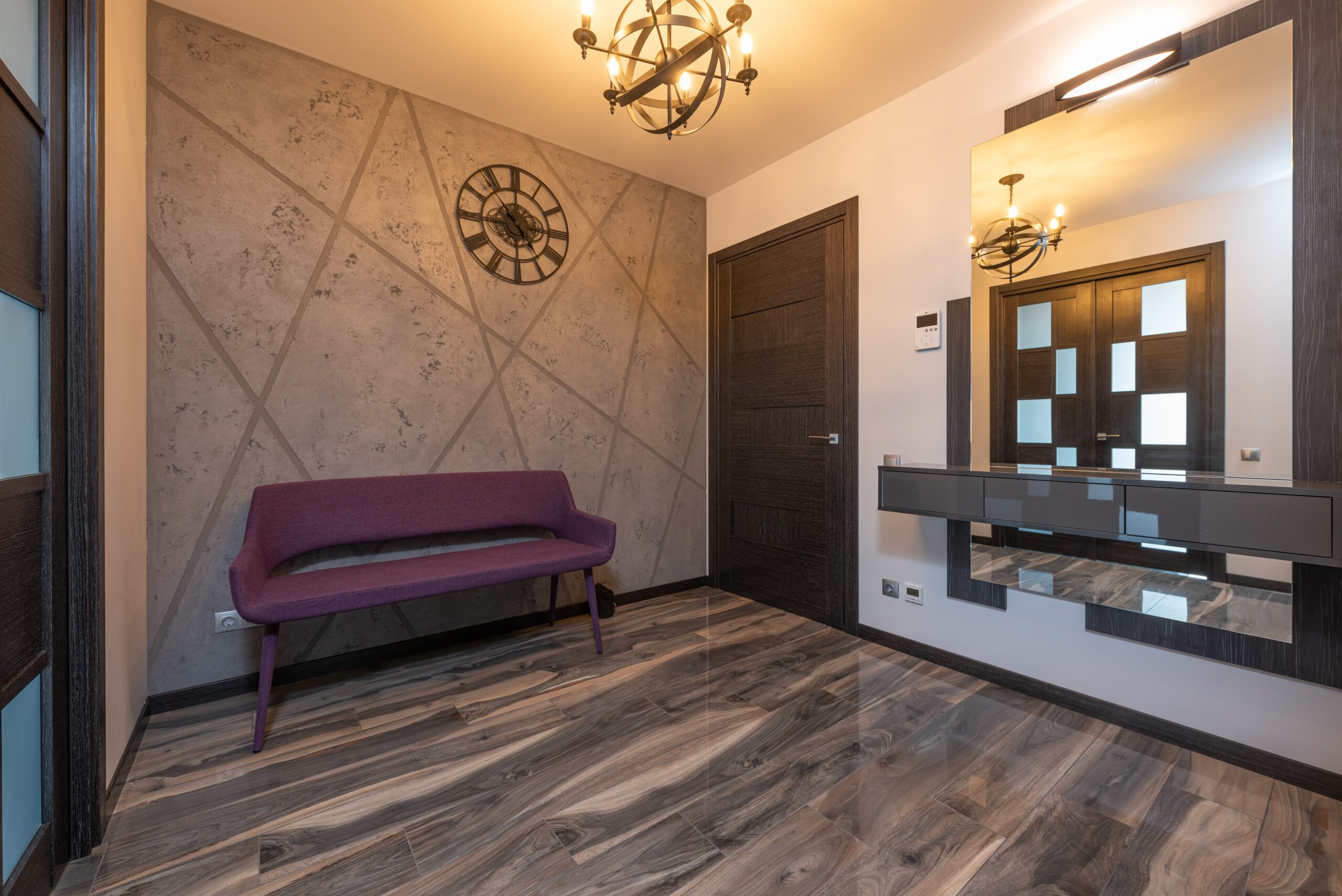
Hallways. They are the circulatory system of our homes—the necessary paths connecting the vibrant heart of the living room to the quiet retreat of the bedroom. And yet, how often do we truly design them? Hallways, often overlooked, are the unsung heroes of our homes. They connect our living spaces, and yet, they’re frequently treated as mere passageways—a transitional vacuum where design goes to die. But I believe your hallway deserves better!
This space is the first and last thing guests see; it sets the tone for your entire interior design narrative. With a few clever tweaks and strategic design choices, you can transform this transitional space into a stylish, welcoming, and deeply functional area that reflects your personal taste.
As a professional decorator and long-time observer of home design trends, I’ve picked up essential techniques for maximizing these challenging, often narrow spaces. If you’re ready to stop viewing your hallway as just a traffic corridor and start seeing it as a design opportunity, let’s dive into the essential strategies for a successful hallway transformation.
1. Lighting is Key: Brighten Up Your Passive Passageway
Hallways tend to be naturally dark, lacking the large windows found in main living areas. For this reason, good lighting is not just decorative; it is absolutely crucial to creating a bright, inviting, and safe atmosphere. Ditch that single, harsh overhead fixture and opt for a layered approach to illumination.
The Art of Layered Lighting
Achieving depth and warmth requires more than one light source. Think of lighting in three categories:
A. Ambient (The Foundation)
Ambient lighting provides general illumination. For long hallways, this is typically achieved through recessed lighting (pot lights) or flush-mount ceiling fixtures. Recessed lighting is ideal for narrow spaces as it keeps the ceiling line clean and unobtrusive.
B. Accent (The Drama)
Wall sconces are the true workhorses of hallway lighting. Installed at eye level, they cast a warm glow up and down, washing the walls in light and eliminating dark corners. This type of lighting adds architectural interest and makes the space feel more sophisticated than a simple overhead light ever could.
C. Statement (The Focal Point)
If your ceiling height allows, a statement pendant light or a small chandelier can add a touch of drama, especially near the entrance or in a transition zone. Choose fixtures that are proportionally narrow; you want the light to be the focal point, not a bulky fixture that interferes with walking space.
Maximizing Natural Illumination
Don’t underestimate the power of natural light. If possible, keep the doors or entryways at the end of the hallway open during the day to maximize sunlight. Couple this with strategic use of reflective materials (like glossy paint or mirrors) to bounce that natural light further down the corridor.
2. Setting the Stage: Color, Texture, and Runners
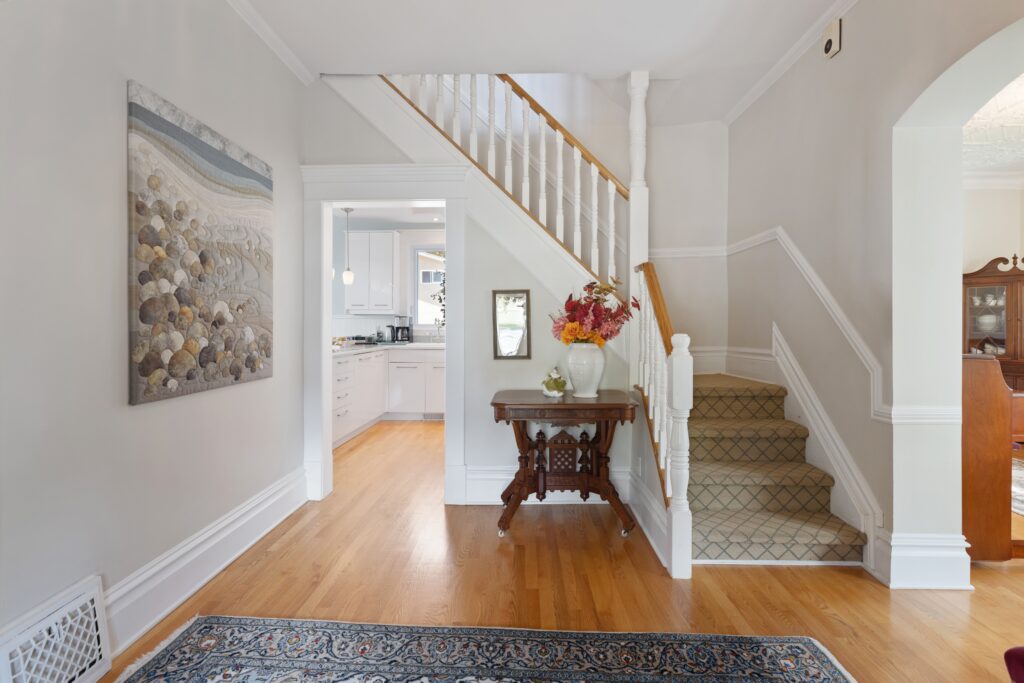
While lighting defines the mood, color and texture provide the necessary warmth and visual continuity.
Strategic Color Choices for Narrow Spaces
When dealing with a narrow or dark hallway, color selection is vital.
- Light Colors: White, cream, or pale gray walls will immediately make the space feel larger and more open by reflecting light.
- The Optic Trick: To make a long, narrow hallway feel shorter and wider, consider painting the far end wall one or two shades darker than the side walls. This draws the eye forward quickly, subtly tricking the brain into perceiving a shorter distance.
- Wainscoting and Moulding: Adding architectural details like wainscoting or picture-rail molding can break up large expanses of wall, giving the hallway character without sacrificing space. Painting the wainscoting a crisp white helps maintain a bright feel while adding texture.
The Defining Element: Hallway Runners
A well-chosen runner rug is perhaps the single most transformative element in a hallway. It defines the path, introduces pattern and color, and softens hard flooring.
- Length and Placement: The runner should be centered, leaving equal amounts of exposed floor (ideally 4 to 6 inches) on both sides. It should start a few inches away from the entrance and stop short of the steps or doorway at the end.
- Durability: Since hallways see heavy foot traffic, opt for durable materials like wool, sisal, or synthetic blends. Patterned runners are excellent as they hide inevitable dirt and wear better than solid colors.
- Safety First: Always use a non-slip rug pad underneath the runner to prevent shifting and tripping hazards.
3. Inject Personality with Art and Mirrors
Bare walls can make a hallway feel sterile and uninviting. This is your chance to turn a neglected passage into a curated gallery.
Creating the Perfect Gallery Wall
Inject some personality by hanging artwork that reflects your style. A gallery wall is particularly impactful in a hallway, giving the eye something interesting to follow as you walk through.
- Mix and Match: Use a mix of prints, photographs, and even small decorative objects to create visual depth. Ensure the frames share a unifying element (e.g., all black, all wood tone) to keep the look cohesive.
- The Sightline Rule: For hallways, most people hang art too high. Center your gallery wall around 57 to 60 inches from the floor, which is standard gallery height for optimal viewing. Keep the width of the display slightly narrower than the hallway itself to avoid a cluttered feel.
The Reflective Power of Mirrors
Mirrors are another fantastic addition to a hallway, serving both functional and aesthetic purposes.
- Space Amplification: Mirrors are experts at reflecting light and helping to make the space feel larger and more open—a crucial trick in narrow corridors.
- Statement Pieces: Consider a large, vertically oriented statement mirror near the entryway, or a collection of smaller, uniquely shaped ones arranged in an interesting pattern to catch light from various angles.
4. Functional and Stylish Storage Solutions
Hallways, especially near the primary entryway, are often prime real estate for drop zones—keys, mail, coats, and shoes. Utilizing this space efficiently is key to maintaining a stylish, clutter-free environment.
The Versatility of the Console Table
A narrow console table is the quintessential hallway furniture piece. It provides a surface for keys, mail, and decorative items (creating a small, welcoming vignette), while maximizing minimal space.
- Measure Carefully: Look for truly slim designs (10–12 inches deep) to ensure smooth traffic flow.
- Hidden Storage: Choose a console with drawers or a lower shelf to offer hidden storage underneath for baskets containing hats, gloves, or pet leashes.
Vertical and Integrated Storage
When space is severely limited, you must build up, not out.
- Floating Shelves: These are a great option for displaying books, small plants, or art without taking up floor space. Install them high enough above head height to be decorative rather than obstructive.
- Slim Cabinets and Benches: If you struggle with shoe clutter, invest in a slim shoe cabinet that sits flush against the wall. Alternatively, a narrow bench with built-in lift-top storage offers seating and a tidy spot for footwear or bags.
- Wall Hooks: Stylish, well-placed wall hooks—whether integrated into a coat rack or standalone designs—keep coats and bags off the floor and serve as a necessary organizational solution.
A Critical Reminder: The golden rule of hallway design is to keep things organized and clutter-free. Even the most beautifully decorated hallway will feel cramped if it’s piled high with shoes and laundry. Invest in closed storage solutions to maintain a sense of spaciousness.
5. The Inviting Final Touches
Once the structure, light, and main furnishings are in place, focus on the details that make the space truly feel like home.
- A Touch of Greenery: Even in low-light environments, placing a small, hardy plant (like a snake plant or Zamioculcas zamiifolia) on a console table or shelf adds life and freshness. Faux plants are also a wonderful, maintenance-free option for these challenging areas.
- Sensory Welcome: Utilize a reed diffuser or a small, automated essential oil dispenser to introduce a pleasant, subtle scent. Our sense of smell is deeply tied to memory, and a welcoming scent immediately elevates the atmosphere of the transition zone.
- Personalized Elements: Display items that genuinely tell your story—a ceramic bowl from a meaningful trip, a stack of beautiful books, or a tiny inherited sculpture. These small items transform the hallway from a generic passageway into a meaningful entry point.
Give Your Hallway the Attention It Deserves
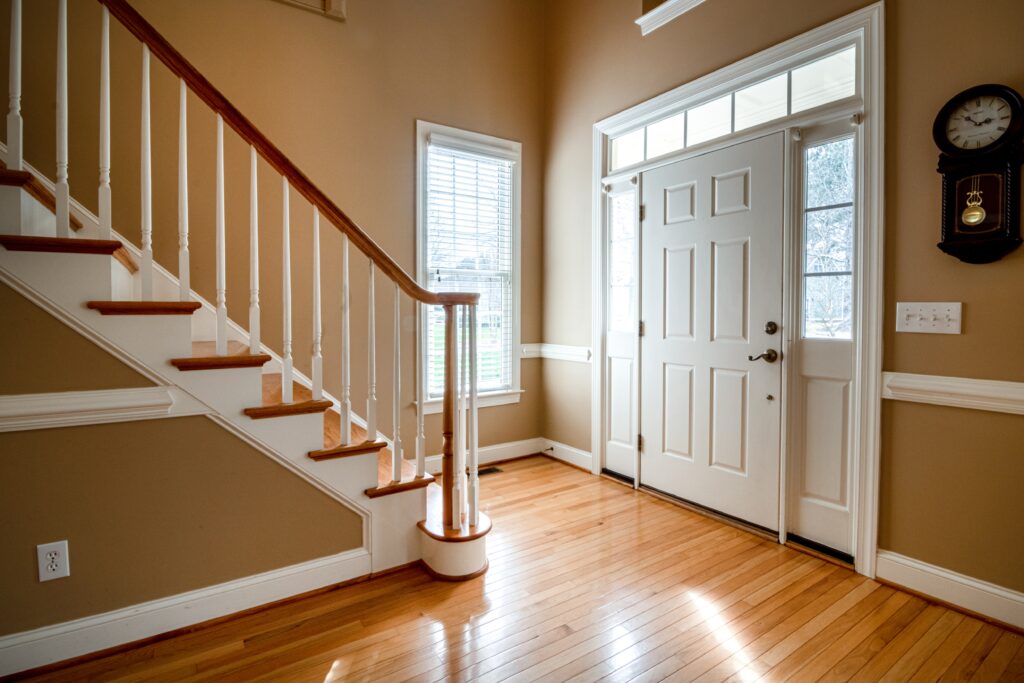
The hallway is the quiet connector of your home, and it deserves to be treated as such—not merely a neglected thoroughfare.
By implementing these simple yet effective tips—layering your lighting, choosing strategic colors and runners, and maximizing functional storage—you can transform your hallway from a forgotten space into a stylish, welcoming, and elegant area that seamlessly complements the rest of your home.
Go ahead, give your hallway the attention it deserves. The impact on the flow, feel, and overall design integrity of your house will be undeniable. You won’t regret turning this unsung hero into a star.
 Leo Allen
  Carly
Carly