
7 min read
1215 words
Teaching is profoundly more than merely delivering curriculum; it’s about igniting curiosity, fostering a lifelong love of learning, and making a tangible impact on young lives. While subject mastery is foundational, the true art of education lies in connecting with students and continuously refining your pedagogical approach. In a dynamic world, the most effective educators are those committed to ongoing professional growth, always seeking new ways to empower their learners. Having spent a significant time in the classroom, I’ve come to understand that the journey of teaching is one of constant reflection and improvement. The success of our students and our own professional fulfillment are deeply intertwined with our willingness to adapt and evolve. Here are some invaluable tips that have consistently helped me along the way, designed to enhance your teaching skills and elevate the learning experience for every student.
Cultivating a Positive Learning Environment: The Foundation of Success
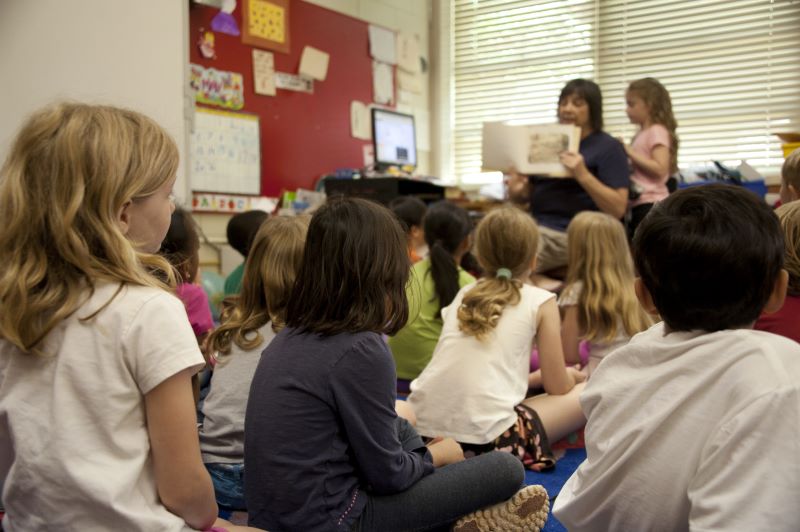
At the heart of effective teaching lies the ability to create a classroom where students feel safe, respected, and genuinely valued. A positive learning environment isn’t just a pleasant add-on; it’s the bedrock upon which all meaningful learning is built. When students feel secure and understood, they are more likely to participate, take risks, and engage deeply with the material.
Here’s how you can actively foster such an environment:
- Truly Know Your Students: Go beyond simply learning names. Invest time in understanding their individual interests, cultural backgrounds, strengths, challenges, and preferred learning styles. Ask about their hobbies, their aspirations, or experiences outside of school. This personal connection builds trust and rapport, making students feel seen and heard, which in turn allows you to tailor your instruction more effectively. A student who feels known is a student more likely to thrive.
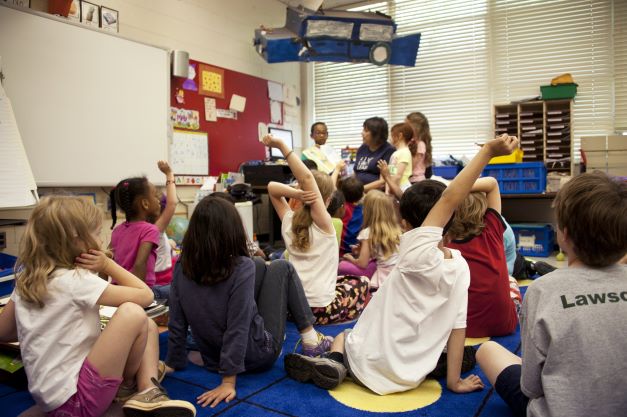
- Encourage Active Participation: Design your classroom as a safe space where every voice is valued. Actively solicit questions, ideas, and even “wrong” answers as opportunities for learning. Emphasize that making mistakes is a natural and necessary part of the learning process. Use strategies like think-pair-share, group discussions, and collaborative projects to ensure everyone has an opportunity to contribute, fostering a sense of shared ownership in the learning journey. The more comfortable students feel sharing, the richer the classroom discourse becomes.
- Celebrate Every Success (Big and Small): Positive reinforcement is a powerful motivator. Acknowledge and celebrate not only major academic achievements but also effort, persistence, improvement, and thoughtful contributions. Specific praise – commenting on what a student did well or how they approached a challenge – is far more impactful than generic praise. This builds self-esteem, encourages a growth mindset, and creates an atmosphere where students feel their hard work is recognized and appreciated.
Honing Your Communication Skills: Clarity in the Classroom
Clear and effective communication is the invisible thread that connects teacher to student, ensuring that lessons resonate and understanding takes root. Without strong communication, even the most brilliant lesson plans can fall flat. Mastering this skill is paramount for impactful teaching.
Consider these approaches to refine your communication:
- Practice Active Listening: Communication is a two-way street. Really listen to what your students are saying, both verbally and nonverbally. Pay attention to their tone, body language, and expressions. Are they confused? Engaged? Frustrated? Active listening allows you to identify misconceptions, understand their struggles, and provide targeted support or re-explanation. It also demonstrates respect and concern, encouraging students to open up and seek help when needed.
- Be Clear, Concise, and Accessible: Avoid using academic jargon or overly complex language that might alienate or confuse students. Break down complex concepts into manageable chunks. Use analogies, metaphors, and real-world examples to make abstract ideas more relatable. Before moving on, always check for understanding with open-ended questions or quick checks. Clarity in your instructions and explanations reduces anxiety and empowers students to grasp new information confidently.
- Leverage Visual Aids and Diverse Examples: Not all students learn best through auditory explanations. Visual learners particularly benefit from diagrams, charts, infographics, and concept maps that illustrate complex ideas. Videos, physical models, and even simple drawings on a whiteboard can simplify abstract topics and cater to different learning styles. Varied examples also help connect concepts to diverse student experiences, making the learning more relevant and memorable.
Embracing Technology: Innovating for Engagement
In today’s digitally driven world, technology is no longer an optional extra in the classroom; it’s an indispensable tool for creating dynamic, interactive, and highly engaging learning environments. Integrating technology thoughtfully can transform traditional lessons into immersive experiences that resonate with digitally native students.
Here’s how to effectively weave technology into your teaching strategies:
- Incorporate Interactive Learning Tools: Move beyond static presentations. Utilize online quizzes (like Kahoot! or Quizizz), collaborative documents (Google Docs, Microsoft 365), digital whiteboards (Jamboard, Miro), and educational games to make learning active and fun. These tools not only boost student engagement but also provide immediate feedback, foster teamwork, and allow for differentiated instruction. They transform passive reception into active participation.
- Utilize Diverse Multimedia Resources: Broaden your teaching materials beyond textbooks. Integrate educational videos (TED-Ed, YouTube for Schools), podcasts, virtual field trips, and online articles to offer different perspectives and deepen understanding. Multimedia resources can bring abstract concepts to life, offer real-world connections, and cater to auditory and visual learners simultaneously, making complex topics more accessible and captivating.
- Stay Updated and Explore New Platforms: The landscape of educational technology is constantly evolving. Dedicate time to learning about new apps, software, and digital platforms that can enhance your teaching. Attend webinars, join educator communities, and experiment with new tools. Being open to new technologies demonstrates your own growth mindset and ensures you’re equipped to offer students the most current and effective learning experiences. The more current your toolkit, the more adaptable your teaching.
Reflect and Adapt: The Continuous Journey of an Educator
Finally, and perhaps most importantly, remember that teaching is a dynamic, evolving journey, not a fixed destination. The most impactful educators are those who view their practice through a lens of continuous improvement, constantly reflecting on what works, what doesn’t, and why.
Make reflection a regular part of your professional routine:
- Self-Assess and Seek Feedback: Regularly ask yourself: What went well in that lesson? What could have been better? How did students respond? Beyond self-reflection, actively seek feedback from trusted colleagues, mentors, or even your students through anonymous surveys. Their insights can provide valuable perspectives you might miss and highlight areas for growth.
- Be Open to Change: The educational landscape, student demographics, and learning needs are always shifting. What worked flawlessly last year might need tweaking this year. Be flexible, adaptable, and willing to modify your strategies, lesson plans, and even your overall approach based on new data, insights, or classroom dynamics.
- Embrace Professional Development: View every challenge as an opportunity to learn. Engage in professional development workshops, read educational research, and collaborate with peers. The field of education is rich with new methodologies and understandings; staying informed ensures your teaching remains fresh, relevant, and highly effective.
Teaching is a profoundly rewarding profession, marked by the incredible privilege of shaping futures. By committing to cultivating a positive learning environment, refining your communication, embracing technology, and consistently reflecting on your practice, you not only enhance your own professional growth but also empower your students to reach their fullest potential. Embrace this evolving process, enjoy the connection, and continue to inspire!
 Sierra Powell
  Valerie Cox
  Julie Veenstra