
4 min read
772 words
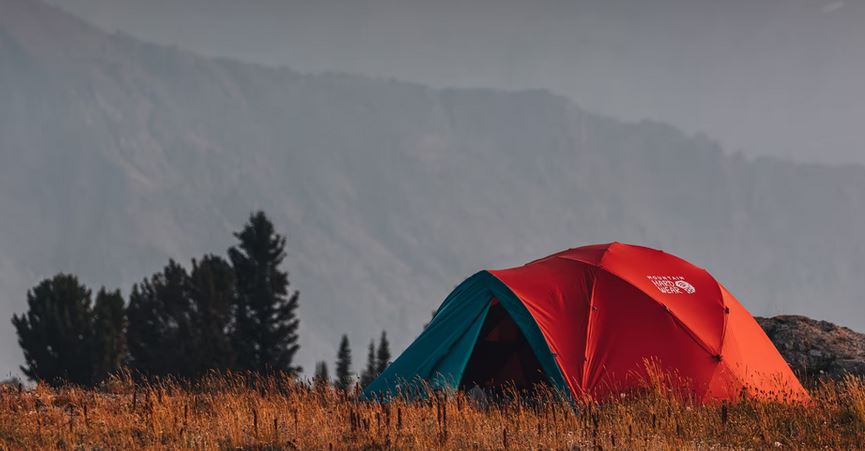
Are you looking to invest in a camping tent but feel unsure about where to start? Choosing the right tent is perhaps the most crucial decision you will make regarding your camping experience. A well-selected tent provides shelter, comfort, and security; a poor choice can truly make or break your trip. To ensure your outdoor adventures remain enjoyable, this comprehensive guide will walk you through the essential factors to consider when selecting the best camping tent for you and your family.
Understanding Your Core Needs
The first and most critical step in choosing any piece of outdoor gear is assessing your specific requirements. The perfect tent for a solo backpacker differs dramatically from the perfect tent for a family car camper.
To begin narrowing your search, ask yourself:
- Group Size and Usage: How many people will be using the tent routinely? Will it primarily be used for solo trips, couples camping, or family excursions?
- Trip Style: Will you be car camping (where weight is irrelevant) or backpacking (where every ounce counts)?
- Weather and Environment: What kind of weather conditions will you most frequently encounter? (Heavy rain, snow, high wind, or primarily fair summer conditions?)
- Setup Priority: Do you need a tent that is exceptionally fast and easy to set up and pack away, possibly due to late arrivals or frequent moving?
- Comfort Features: Are you looking for extra conveniences such as storage pockets, multiple doors, or a sheltered vestibule area?
By understanding these requirements, you establish a solid foundation for your search.
Size and Capacity: Thinking Beyond the Numbers
When browsing capacity ratings, remember that a tent’s capacity (e.g., “4-person”) often refers to the maximum number of people who can sleep shoulder-to-shoulder. For true comfort and functionality, especially if you use wider sleeping pads or store gear inside, it is wise to choose a tent rated for one to two people more than your actual group size.
Consider not only the floor space but the headroom as well. Dome tents are aerodynamic and great for wind, but cabin tents offer near-vertical walls, maximizing standing room and comfort—a significant advantage for families or on longer trips.
Seasonality and Weather Resistance
The climate you plan to camp in dictates the necessary toughness of your tent. Tents are typically categorized by seasons:
- 3-Season Tents: These are the most common choice, designed for mild to moderate weather conditions (spring, summer, and fall). They balance weather protection with excellent ventilation (often using large mesh panels).
- 4-Season Tents: Built to withstand heavy snow loads and high winds, these tents use stronger poles and heavier fabrics. They minimize ventilation to retain internal heat, making them overkill and often too hot for summer use.
It is crucial to choose a tent that can withstand the elements you are likely to encounter, ensuring you stay dry and safe.
Weight and Portability
If your trips involve hiking or backpacking to your campsite, the tent’s weight is a non-negotiable factor. Look for lightweight and compact tents designed using specialized lighter materials and pole structures.
Conversely, if you are strictly car camping (driving right up to your site), you can prioritize durability, space, and extra features over minimizing weight and packed size.
Essential Tent Features and Accessories
Beyond the basics, certain features significantly enhance your comfort and convenience:
- Rainfly: A separate, waterproof cover that extends over the roof and often down the sides of the tent. A full-coverage rainfly is essential for protection against heavy rain.
- Vestibule: This is a covered area created by extending the rainfly outside the main tent body. It provides a sheltered space to store muddy boots, wet gear, or cook outside during rain.
- Ventilation: Look for mesh panels and windows that allow air to flow through and prevent condensation buildup inside the tent, which can often feel like a leak.
- Storage Pockets: Interior pockets and gear lofts help keep small items organized and off the tent floor.
Setting Your Budget
Tents come in a wide range of prices, differing primarily based on material quality, weight, and durability. While it is essential to set a firm budget, remember that your tent is your primary shelter and safety element outdoors. Investing in a high-quality, durable tent from a reputable brand can provide years of reliable enjoyment and comfort during your outdoor trips, often outweighing the initial higher cost.
Choosing the ideal camping tent requires careful consideration of your group’s needs, anticipated weather, travel style, and budget. By taking time to evaluate these factors, you can find a tent that not only meets your requirements but fully enhances your outdoor adventures for years to come.
 Carly
Carly  Lisa
Lisa