

6 min read
1088 words
As a parent, you instinctively want the best for your child—success, happiness, and future readiness. At the heart of these ambitions lies the single most powerful tool you can give them: a lifelong love of learning. It’s a common misconception that fostering this enthusiasm means constant drilling or turning every activity into a formal lesson. In reality, cultivating a genuine passion for knowledge is about nurturing your child’s intrinsic curiosity, providing rich opportunities for exploration, and ensuring that discovery always feels like an adventure, not a chore. When learning is driven by natural interest rather than external pressure, children develop critical thinking skills, resilience, and an eagerness to embrace new challenges. This guide offers actionable strategies to help you foster a love of learning that will benefit your child well into adulthood.
1. Transforming Education: Making Learning Fun and Engaging (H2)
The most effective learning environments are those where joy and engagement take center stage. If a concept feels like a game or a puzzle, children are far more likely to absorb it deeply.
Embrace the Power of Play
For young children, play is synonymous with learning. It is their primary mode of experimentation and problem-solving.
- Prioritize Open-Ended Toys: Steer away from toys that only do one thing. Provide simple materials like building blocks, art supplies, magnetic tiles, and household objects. These encourage creativity, spatial reasoning, and help children master early engineering concepts naturally.
- The Scenario Game: Engage in imaginative play where your child must solve a problem (e.g., “How do we build a bridge to cross the imaginary river?” or “How can we calculate how many cookies the imaginary dragon ate?”).
The Magic of Shared Reading
Reading exposes children to new worlds, vocabulary, and complex ideas. It is the cornerstone of lifelong academic success, but it must be enjoyable.
- Make it Routine and Relaxing: Establish a dedicated reading time that is cozy and free from distractions. This ritual signals that reading is a valued, peaceful activity.
- Follow Their Interests: While classics are valuable, always prioritize books that genuinely pique their interest, whether they are about dinosaurs, rockets, or historical figures. Allowing them choice empowers them and deepens engagement.
Nature as the Ultimate Classroom
The world outside is a rich, dynamic classroom offering endless real-life lessons in science, geography, and observation.
- Explore the Outdoors: Regular hikes, park visits, or even tending a small garden encourage scientific observation. Encourage them to collect leaves, identify local birds, track weather patterns, and ask questions about the environment.
- Document Discoveries: Bring a notebook or device to document observations. Asking a child to measure the height of a plant or sketch a cloud formation transforms a simple outing into a hands-on science lesson.
2. Nurturing the Inquisitive Mind: Encourage Curiosity and Questions
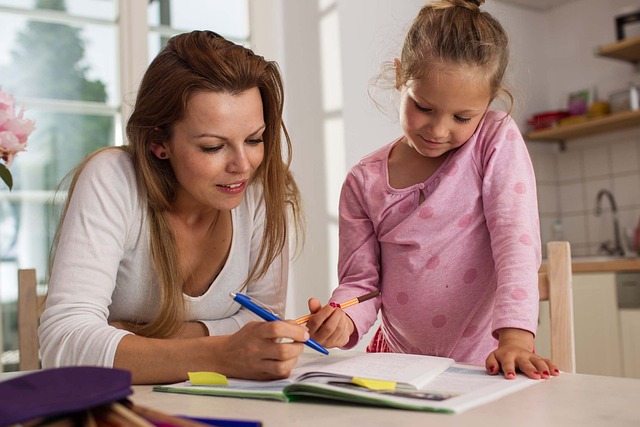
Children are natural scientists, constantly testing, observing, and questioning the world around them. The key to sustaining a lifelong love of learning is validating this innate curiosity.
The Art of Thoughtful Answering
It’s tempting to dismiss repetitive or complex questions when busy, but how you respond shapes your child’s willingness to ask future questions.
- Avoid the Dismissive Answer: Never brush off a question with a simple, “Because I said so” or “It just works that way.” Take the time—even if it’s just 30 seconds—to explain things in an age-appropriate way.
- Break Down Complexity: If the answer is complicated (e.g., “How do airplanes fly?”), break it down into smaller, understandable concepts. This teaches them that complex issues can be approached logically.
Research as a Shared Adventure
You won’t always know the answer, and that’s a powerful learning opportunity in itself.
- Model the Search: If you don’t know the answer to a question like, “Why is the ocean salty?” look it up immediately, together. This valuable collaborative process teaches them essential research skills and shows them that learning is continuous and accessible.
- Use Diverse Resources: Show them how to use library books, trusted websites, and age-appropriate documentaries to gather information.
The Power of Open-Ended Dialogue
To move beyond rote memorization, children need to develop critical thinking. Open-ended questions are the catalyst for this development.
- Ask “Why” and “How”: Instead of questions that require a simple yes/no response, prompt deeper analysis. For example, instead of asking “Did you like the book?” ask, “Why do you think that character made that choice?” or “How might the ending have changed if the setting was different?”
- Explore Multiple Perspectives: Discuss current events or historical situations by asking, “How might different people feel about this outcome?”
3. Leading by Example: Modeling a Lifetime of Learning
Children learn far more by observing your behavior than by listening to your lectures. When you demonstrate your own intellectual curiosity, you naturally inspire them to do the same.
Share Your Personal Passions
Let your child see that learning is an active part of your adult life, not just something confined to school hours.
- Talk About Your Discoveries: Whether you are learning a new language, mastering a challenging recipe, researching local history, or fixing a household item, share your thought process. Explain what you are learning and why you find it interesting.
- Invite Collaboration: If you are tackling a new skill, invite your child to be your assistant. This lowers the barrier to entry for their own future endeavors.
Be a Visible Lifelong Learner
Show your child that the pursuit of knowledge doesn’t stop after graduation.
- Engage in New Hobbies: Take an online class, join a book club, or learn a musical instrument. Seeing you struggle, persist, and finally succeed in mastering a new skill teaches resilience and shows them that growth is continuous.
- Keep Books and Resources Visible: Maintain a personal library and regularly read non-fiction or educational materials in your child’s presence.
Celebrate Discovery
Positive reinforcement is crucial for building self-efficacy and confirming that the effort of learning is worthwhile.
- Celebrate the Process, Not Just the Grade: Shift the focus from achievement (the A on the test) to the effort and discovery (the realization of a concept). Show genuine excitement when they master a tricky skill or make a breakthrough connection.
Conclusion
Fostering a genuine lifelong love of learning is one of the greatest gifts you can give your child. It is a commitment to supporting their natural inquisitiveness, creating an environment rich with playful exploration, and demonstrating that knowledge is a vibrant, continuing journey. By prioritizing curiosity over coercion, you are not just preparing them for school; you are equipping them with the mental agility and enthusiasm required to thrive in an ever-changing world.
 Valerie Cox