
Travel Safety Checklist: Essential Tips for Adventurers Traveling
6 min read
1097 words
Traveling to dangerous or high-risk areas of the world can be an unforgettable experience. Whether you are exploring remote destinations, participating in a humanitarian mission, working abroad, or seeking adventure off the beaten path, these journeys require extra preparation and awareness. Adventure travel can offer incredible opportunities to experience new cultures, discover unique landscapes, and challenge yourself. However, traveling in unfamiliar or unstable environments can also involve risks, including crime, political unrest, health concerns, extreme weather, and limited access to emergency services. A well-prepared travel safety checklist can help you reduce risks, make informed decisions, and respond more effectively if unexpected situations occur. By planning ahead, staying aware of your surroundings, and preparing for emergencies, you can enjoy your journey while prioritizing your safety.
This travel safety checklist provides practical tips to help adventurers prepare before departure, stay safe during their trip, and handle unexpected situations with greater confidence.
Before You Go: Preparing With a Travel Safety Checklist
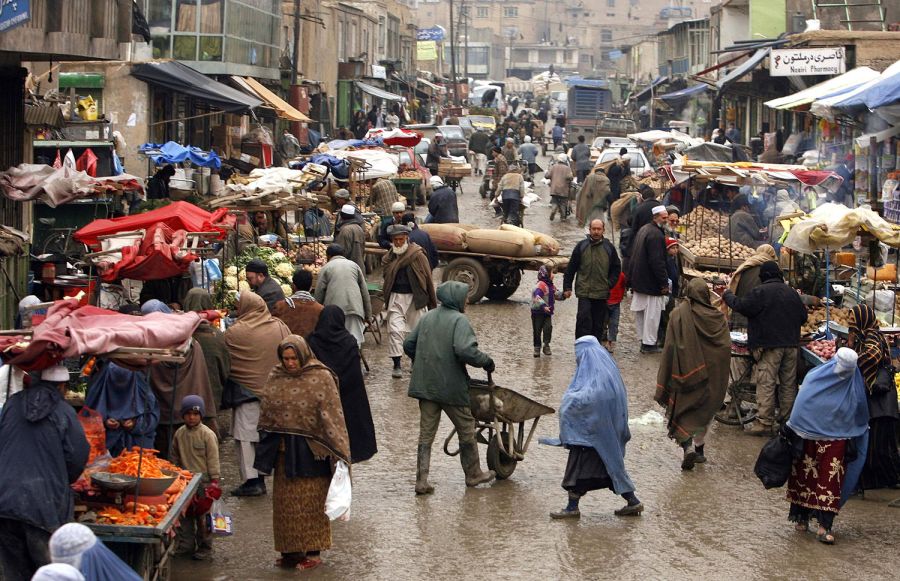
The first step in any travel safety checklist is proper preparation before leaving home. Taking time to research your destination and organize important documents can make a significant difference in your overall safety.
Research Your Destination
Before traveling, learn as much as possible about the location you will be visiting.
Research:
- Local customs, traditions, and cultural expectations
- Current political conditions and security concerns
- Common scams or crimes targeting visitors
- Health risks and recommended vaccinations
- Weather patterns and natural hazards
- Transportation options and safety concerns
- Areas that may be unsafe for travelers
Understanding your destination allows you to make informed decisions and avoid unnecessary risks.
Share Your Travel Plans
Someone you trust should always know your travel plans, especially when visiting high-risk destinations.
Share:
- Your travel itinerary
- Flight details
- Hotel or accommodation information
- Contact information
- Planned activities and destinations
Update your emergency contact if your plans change.
Purchase Travel Insurance
Travel insurance is an important part of any international travel safety checklist. Medical emergencies, evacuations, lost belongings, or trip interruptions can become extremely expensive without proper coverage.
Look for insurance that includes:
- Emergency medical treatment
- Medical evacuation
- Trip cancellation or interruption
- Lost luggage or personal belongings
- Emergency assistance services
- Adventure activities if needed
Always check the policy carefully, as some dangerous destinations and activities may require specialized coverage.
Pack Wisely
Packing properly is an essential part of your travel safety checklist.
Important items may include:
- Passport and copies of important documents
- Travel insurance information
- Emergency contact information
- Prescription medications
- Basic first aid supplies
- Portable phone charger or power bank
- Appropriate clothing for the climate
- Comfortable and durable footwear
- Water purification supplies when needed
Avoid bringing unnecessary valuables that may attract unwanted attention.
During Your Trip: Following Your Travel Safety Checklist
Once you arrive, awareness and good decision-making become your most important safety tools. Following your travel safety checklist throughout your trip can help you avoid problems and respond quickly if situations change.
Stay Aware of Your Surroundings
Situational awareness is one of the most important adventure travel safety tips.
Remember to:
- Pay attention to your environment
- Avoid distractions while walking in unfamiliar areas
- Trust your instincts if something feels wrong
- Avoid isolated areas, especially after dark
- Monitor local conditions and warnings
If a situation feels unsafe, leave and seek a safer location.
Keep Important Belongings Secure
Protecting your valuables is a key part of staying safe while traveling.
Tips include:
- Keep your passport in a secure location
- Carry only the cash you need
- Avoid displaying expensive electronics or jewelry
- Use hotel safes when available
- Keep copies of important documents
- Consider using a hidden travel pouch
Stay Connected
Communication is an important part of any travel safety checklist.
Consider:
- Checking in with family or friends regularly
- Keeping your phone charged
- Carrying a backup battery
- Saving important phone numbers offline
- Downloading offline maps
- Having a backup communication plan for remote areas
Respect Local Laws and Customs
Every destination has different laws, traditions, and expectations.
Before traveling:
- Learn local laws
- Understand cultural customs
- Follow dress requirements
- Respect religious practices
- Ask permission before photographing people or sensitive locations
Respecting local customs can help prevent misunderstandings.
Adventure Activities: Safety Tips for Travelers
Adventure activities can create incredible memories, but they also require additional preparation.
Research the Activity
Before participating:
- Understand the possible risks
- Check the required skill level
- Research the company or guide
- Read reviews and safety information
- Check weather conditions
Choose reputable operators that prioritize safety.
Wear Proper Safety Equipment
Always use appropriate protective equipment, including:
- Helmets
- Life jackets
- Safety harnesses
- Protective clothing
- Proper footwear
Never skip safety equipment to save time or money.
Follow Your Guide’s Instructions
Experienced guides understand local risks and conditions.
Always:
- Listen carefully to safety instructions
- Follow recommended procedures
- Ask questions if unsure
- Avoid unnecessary risks
Emergency Preparedness for Travelers
Emergency planning is one of the most important sections of a complete travel safety checklist.
Even careful travelers can experience unexpected problems. Being prepared can help you respond calmly.
Know Emergency Contacts
Before traveling, save important numbers:
- Local emergency services
- Your country’s embassy or consulate
- Travel insurance provider
- Emergency medical services
- Accommodation contacts
Keep written copies in case your phone is unavailable.
Carry Emergency Cash
Keep a small amount of emergency money stored separately.
Emergency cash can help with:
- Transportation
- Food and water
- Communication
- Unexpected expenses
Have an Emergency Plan
Think ahead about what you would do if something goes wrong.
Plan for:
- Medical emergencies
- Natural disasters
- Lost documents
- Political unrest
- Evacuation situations
Knowing your options before an emergency occurs can reduce stress and confusion.
Health and Medical Safety While Traveling
Health preparation is an important part of safe adventure travel.
Before leaving:
- Visit a healthcare provider if needed
- Research required vaccinations
- Bring enough medication
- Carry a list of allergies and medical conditions
- Learn about healthcare options at your destination
During your trip:
- Drink safe water
- Practice food safety
- Protect yourself from insects when necessary
- Pay attention to signs of illness
Digital Safety While Traveling
Modern travel safety also includes protecting your personal information.
Protect yourself by:
- Avoiding unsecured public Wi-Fi for sensitive activities
- Using strong passwords
- Enabling two-factor authentication
- Backing up important documents
- Being cautious with public charging stations
Final Thoughts
A travel safety checklist is one of the most valuable tools for anyone exploring unfamiliar or high-risk destinations. While no trip is completely risk-free, preparation, awareness, and responsible decision-making can greatly improve your safety.
Before you leave, research your destination, prepare emergency supplies, protect your belongings, stay connected, and understand local risks.
Adventure is about exploring the world and creating meaningful memories, but the most successful journey is the one where you return home safely.