
7 min read
1345 words
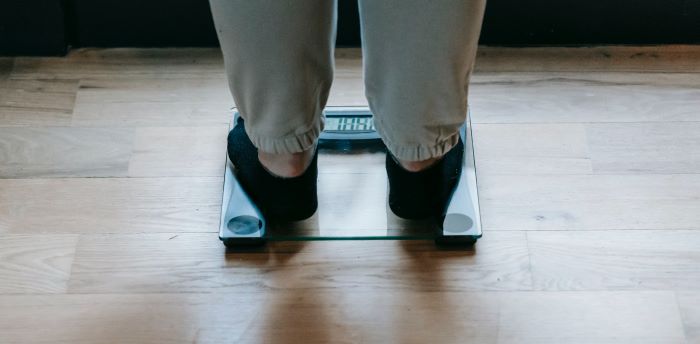
Ever had that moment? You’ve been eating well, sticking to your fitness routine, and you step on the scale feeling confident—only to see a number that’s three, four, or even five pounds higher than yesterday. The immediate frustration is real, but before you get discouraged, take a deep breath. You’re most likely dealing with water weight. While fluctuations in water weight are a completely normal part of how our bodies function, they can be a frustrating source of bloating, puffiness, and discomfort. Understanding what causes this temporary gain is the first step toward managing it effectively. In this comprehensive guide, we’ll explore the science behind water weight, uncover the common culprits behind fluid retention, and provide nine actionable, science-backed strategies to help you shed it quickly and get back to feeling your best.
What Exactly Is Water Weight?
Before we dive into how to lose it, let’s clarify what water weight actually is. Your body is composed of about 60% water, which is essential for nearly every biological function, from regulating temperature to lubricating joints and transporting nutrients.
Water weight, also known as fluid retention or edema, occurs when excess fluid gets trapped in your body’s tissues. Unlike fat, which is stored energy, water weight is simply a temporary increase in fluid volume. This is why your weight can fluctuate so dramatically from one day to the next—it’s physically impossible to gain several pounds of fat overnight. This excess fluid can accumulate in areas like your face, hands, abdomen, and ankles, leading to that familiar “puffy” or bloated feeling.
Top 6 Causes of Water Weight Gain
Understanding the “why” behind water retention is key to preventing it. Several lifestyle factors and biological processes can signal your body to hold onto extra water.
1. High Sodium Intake
This is the most common culprit. Your body strives to maintain a precise balance of sodium and water outside of its cells. When you consume a salty meal (think processed foods, fast food, or canned soups), you introduce an excess of sodium into your system. To maintain balance, your body holds onto extra water to dilute the sodium, leading to immediate water weight gain and bloating.
2. Hormonal Fluctuations
For many women, hormonal changes are a primary driver of fluid retention.
- Menstrual Cycle: In the days leading up to a period, levels of the hormones estrogen and progesterone shift dramatically. These changes can cause the body to retain more salt and water, leading to the common premenstrual symptom (PMS) of bloating.
- Pregnancy & Menopause: Similarly, the significant hormonal shifts during pregnancy and menopause can also disrupt the body’s fluid-regulating mechanisms.
3. Dehydration (The Water-Retention Paradox)
It sounds counterintuitive, but not drinking enough water can actually make your body retain it. When you’re dehydrated, your body enters survival mode. Fearing a shortage, it releases a hormone called vasopressin (an antidiuretic hormone) that tells your kidneys to hold onto water, leading to retention and puffiness.
4. High Carbohydrate Intake
Carbohydrates are a crucial energy source. When you eat them, your body converts them into glucose for immediate energy or stores them as glycogen in your muscles and liver for later use. For every one gram of glycogen your body stores, it also stores approximately 3-4 grams of water along with it. This is why people on low-carb diets often experience a rapid initial weight loss—it’s primarily water being shed as glycogen stores are depleted.
5. A Sedentary Lifestyle
If you sit or stand in one position for long periods, gravity can cause fluid to pool in your lower extremities. Regular movement and physical activity are crucial for maintaining good circulation and supporting the lymphatic system, which acts as your body’s drainage network, helping to clear excess fluid.
6. Underlying Medical Conditions or Medications
In some cases, persistent water retention can be a sign of an underlying health issue. Conditions affecting the kidneys, heart, or liver can impair the body’s ability to properly excrete fluid. Certain medications, including some blood pressure drugs, antidepressants, and steroids, can also list water retention as a side effect.
How to Lose Water Weight: 9 Effective Strategies

If you’re feeling bloated and ready to shed that excess fluid, these strategies can provide quick relief. While they target temporary water weight, they also form the foundation of a healthy lifestyle for long-term well-being.
1. Dramatically Reduce Your Sodium Intake
The fastest way to drop water weight is to cut back on salt. Avoid processed and packaged foods, restaurant meals, and frozen dinners, which are notoriously high in sodium. Focus on cooking with whole foods and flavor your meals with herbs, spices, garlic, and citrus instead of salt.
2. Drink More Water
Fight the paradox head-on. By giving your body a steady supply of water, you signal that there is no shortage. This allows it to flush out the excess sodium and stored fluids it was desperately holding onto. Aim for at least 8-10 glasses of water per day, or more if you are active.
3. Boost Your Potassium Intake
Potassium is an electrolyte that works in tandem with sodium to regulate fluid balance. It helps counteract sodium’s effects by increasing urine production and decreasing sodium levels. Incorporate potassium-rich foods into your diet, such as:
- Bananas
- Avocados
- Sweet potatoes
- Spinach and other leafy greens
- Coconut water
- White beans
4. Increase Your Magnesium
Magnesium is another vital electrolyte involved in over 300 bodily processes, including fluid regulation. Studies have shown that supplementing with magnesium can help reduce water retention, particularly for women experiencing PMS symptoms. Excellent food sources include dark chocolate, nuts, seeds, whole grains, and leafy greens.
5. Get Moving and Break a Sweat
Exercise is a fantastic two-for-one solution. First, sweating is a direct way to shed water and salt. Second, increasing your heart rate improves circulation, helping to move fluid around the body and reduce pooling in your extremities. Even a brisk 30-minute walk can make a significant difference.
6. Be Mindful of Refined Carbs
You don’t need to eliminate carbs, but reducing your intake of refined carbohydrates (like white bread, pastries, and sugary snacks) can lower your glycogen stores. This will prompt your body to release the extra water it was holding onto.
7. Consider Natural Diuretics (Carefully)
Certain foods and herbs have natural diuretic properties that can help increase urine output and reduce fluid retention. Try incorporating:
- Green and black tea
- Dandelion extract
- Parsley
- Hibiscus
- Asparagus and cucumber
Use these in moderation, and avoid over-the-counter diuretic pills unless specifically recommended by a doctor.
8. Prioritize Quality Sleep
A good night’s rest does more than just recharge your mind. Sleep affects the sympathetic renal nerves in your kidneys, which help regulate sodium and water balance. Poor sleep can disrupt these hormones and contribute to fluid retention.
9. Manage Your Stress
Chronic stress elevates levels of the hormone cortisol. High cortisol levels can increase vasopressin (the antidiuretic hormone), telling your body to hold onto water. Incorporate stress-management techniques like meditation, yoga, deep breathing exercises, or spending time in nature.
When to See a Doctor
While daily fluctuations in water weight are normal, persistent, severe, or painful swelling is not. If you experience swelling that is concentrated in one area (like a single leg), is accompanied by pain, redness, or shortness of breath, or doesn’t go away, it’s crucial to consult a healthcare professional. This could be a sign of a more serious underlying condition that requires medical attention.
Conclusion: Your Key Takeaways for Beating the Bloat
Water weight is a common and temporary issue, but it doesn’t have to derail your health journey. By understanding its causes—from high sodium intake to hormonal shifts—you can take proactive steps to manage it.
Focus on the fundamentals: stay well-hydrated, reduce processed foods, eat a diet rich in potassium and magnesium, and keep your body moving. These simple lifestyle adjustments will not only help you shed excess water weight and reduce bloating but will also contribute to your overall health and long-term success.
Remember, your body is complex. Be patient and kind to yourself, and don’t let the normal ebb and flow of the scale discourage you.
 Carly
Carly  Lynn Leblanc