
5 min read
988 words
Welcome to our series, “Your Path to Better Health and Wellness after 50”! This chapter of life is all about embracing vitality, wisdom, and well-being. A crucial part of that journey is being proactive about your health. While the phrase “medical checkup” might sound routine, certain screenings become particularly important as we age. Today, we’re demystifying one of the most powerful preventive tools available for women’s health: the mammogram. If you’ve ever felt a little apprehensive about scheduling this appointment, you’re not alone. But our goal today is to replace that uncertainty with confidence. Let’s walk through what a mammogram is, why it’s a cornerstone of your health after 50, and what you can expect every step of the way.
What is a Mammogram? The Basics Explained
Think of a mammogram as a specialized, low-dose X-ray of the breast. Its purpose is simple but profound: to detect signs of breast cancer in its earliest, most treatable stages, often long before a lump can be felt by you or your doctor. This early detection capability is what makes it such an indispensable part of a regular medical checkup.
There are two main types of mammograms:
- Screening Mammogram: This is the routine checkup performed on women with no symptoms of breast cancer. It’s all about prevention and early discovery.
- Diagnostic Mammogram: This is used if a screening mammogram shows a potential area of concern or if a woman has symptoms (like a lump or pain). It involves more detailed X-ray images.
Why is This Medical Checkup So Important After 50?
As we celebrate more birthdays, our bodies change, and so do our health risks. For women, the risk of developing breast cancer increases with age, with the majority of cases diagnosed in women over 50.
This isn’t a reason to worry—it’s a reason to be empowered. Regular mammograms are your best defense. When breast cancer is found early, the survival rate is incredibly high. Early detection often means that treatments can be less invasive, and the prognosis is significantly better. By incorporating a mammogram into your annual or biennial medical checkup schedule, you are taking a powerful, proactive step toward safeguarding your long-term health.
Navigating the Guidelines: When and How Often?
You might hear slightly different recommendations from various health organizations, which can be confusing. However, most leading medical groups, including the American Cancer Society, generally recommend the following for women at average risk:
- Ages 40-49: The option to begin annual screening.
- Ages 50-54: Annual mammograms are strongly recommended.
- Ages 55 and older: Continue with mammograms every 1 to 2 years.
The most important takeaway? Talk to your doctor. They can provide a personalized recommendation based on your individual health profile, family history, and other risk factors.
What to Expect During Your Mammogram Appointment
Knowing what will happen can make the entire experience feel more comfortable and routine. Here’s a simple breakdown of the process:
- Preparation: On the day of your appointment, it’s best to avoid using deodorant, antiperspirant, lotions, or perfumes under your arms or on your breasts. Particles in these products can sometimes show up on the X-ray and cause confusion. Wear a two-piece outfit so you only need to remove your top.
- At the Clinic: You’ll be given a gown that opens in the front. A certified technologist (usually a woman) will guide you through the entire process. They are professionals dedicated to making you feel as comfortable as possible.
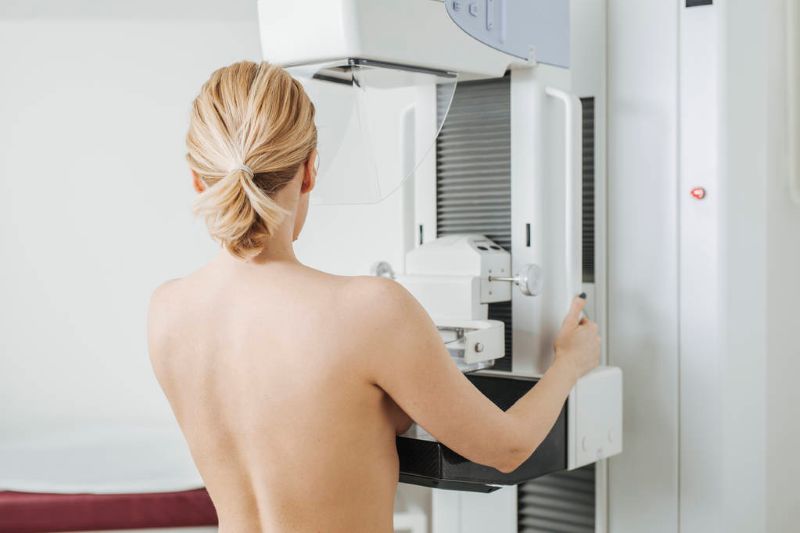
- The Procedure: The technologist will position one breast at a time on the machine’s platform. A clear plastic plate will gently but firmly compress the breast for a few seconds while the X-ray image is taken. This compression is necessary to spread the tissue apart and get a clear picture. It might be uncomfortable, but it’s very brief. They will take images from at least two different angles for each breast. The entire procedure usually takes about 20 minutes.
- Afterward: You can get dressed and go about your day immediately. A radiologist will review your images and send a detailed report to your doctor, who will then share the results with you.
Understanding Your Results
Most of the time, the results come back normal. However, it’s not uncommon to be called back for a follow-up. Don’t panic! A call-back happens for many reasons, such as dense breast tissue or the need for a clearer image of a specific area. The vast majority of these follow-ups do not result in a cancer diagnosis.
Take Control of Your Health Today
Your health after 50 is a treasure. A mammogram is more than just another medical checkup; it’s an act of self-care and a commitment to your future. It’s a 20-minute appointment that provides peace of mind and the powerful advantage of early detection.
Don’t let this important screening fall to the bottom of your to-do list. Talk to your doctor, understand your personal screening schedule, and book your appointment with confidence. You’ve got this!
Frequently Asked Questions (FAQ)
Q1: Do mammograms hurt? Discomfort levels vary from person to person. The breast compression can be uncomfortable or briefly painful for some, but it only lasts for a few seconds for each image. Most women find it entirely manageable.
Q2: Are mammograms safe with the radiation? Mammograms use a very low dose of radiation. The risk is extremely small and is widely considered to be outweighed by the significant benefit of early breast cancer detection.
Q3: What if I have dense breasts? Dense breast tissue is common and not abnormal. However, it can sometimes make it harder to see abnormalities on a mammogram. Your report will indicate if you have dense breasts, and your doctor may recommend supplemental screenings, like a breast ultrasound or MRI.
(Disclaimer: This article is for informational purposes only and does not constitute medical advice. Please consult with your healthcare provider for any personal health concerns or before making any decisions related to your health or treatment.)
 Hailey Reynolds
  Carly
Carly  Lynn Leblanc
Thanks for the reminder. I need to get a physical. I’m getting to the age where I need a mamogram too. That procedure scares me a bit.
Me too
Mamogram do sound scary if you never had one done before but honestly they are so simple.Protect yourself and make an appointment today.
I have a regular check up once a year and it makes me feel better too.
I’m not good at seeing the doctor on a regular basis, but lately have been forced to for insurance reasons.
Mammograms are a piece of cake. I try to keep in check with my body and see my doctor. when needed. I work in the healthcare systems and I am amazed at how many people don’t even have a family doctor, or regular clinic. They just don’t go until it’s too late.
I always say it’s better to know early if something is wrong.Yearly checkup is so important.
Yes I need to get a check up. It’s been far too long.