
13 min read
2462 words
As a parent, the safety of your child is the paramount concern in every waking moment, and nowhere is this vigilance more critical than when traveling in a vehicle. The journey from the hospital to home, and every trip thereafter, requires a commitment to proper car seat safety—a commitment that can literally save lives. For parents navigating the crucial early years, specifically from newborn to age two, understanding the nuances of car seat installation, selection, and use is essential. This is not simply about complying with the law; it is about providing the ultimate layer of protection for fragile, developing bodies. In this comprehensive guide, we delve into expert advice and guidelines, ensuring you have the knowledge necessary to choose the right car seat and utilize it perfectly, protecting your most precious cargo in the event of a crash.
Why Car Seat Safety is Non-Negotiable: The Critical Role of Restraints
The statistics speaking to the effectiveness of child restraints are compelling and underscore why this topic demands focused attention. A properly used and installed car seat is the single most effective safety device available for infants and toddlers in a vehicle.
According to data compiled by the National Highway Traffic Safety Administration (NHTSA), car seats are proven life-savers, dramatically reducing the risk of fatal injuries:
- Infants (under age 1): Car seats reduce the risk of fatal injuries by up to 71%.
- Toddlers (ages 1 to 4): Car seats reduce the risk of fatal injuries by up to 54%.
Understanding the Physics of Protection
For a newborn or a child under the age of two, the body is disproportionately fragile. The head is large and heavy relative to the rest of the body, and the spinal column, especially the neck, is still developing. In a frontal collision—the most common and often most severe type of crash—unrestrained passengers are violently thrown forward.
A car seat, particularly when rear-facing, performs a vital mechanical function. It absorbs the tremendous kinetic energy generated by the sudden stop and distributes the crash forces across the child’s entire body, hitting the hard, protective shell of the seat. The rear-facing position ensures that the child’s head, neck, and spine are cradled and supported by the stiff seat back, preventing the extreme stretching and snapping motions that cause severe spinal cord and head injuries. This “cradle effect” is the fundamental reason why staying rear-facing is the gold standard for safety in this age group.
Choosing Your Child’s Protective Shell – Decoding Car Seat Types

The car seat market can seem overwhelming, filled with jargon, weight limits, and dozens of models. However, when focusing on the newborn-to-two age range, the choices generally fall into three primary, recommended categories, all designed to facilitate the critical rear-facing position.
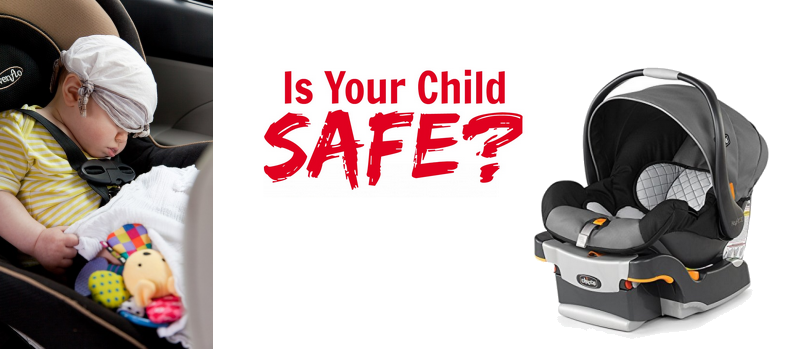
1. Rear-Facing Only Car Seats (Infant Carriers)
These seats are specifically designed for the smallest passengers, typically accommodating children from 4 lbs up to 22 lbs or 35 lbs (depending on the model).
- Key Feature: They detach from a base permanently installed in the car and often click into a stroller system, offering maximum convenience for newborns.
- Safety Priority: This is universally considered the safest initial choice for newborns, providing a precise fit for tiny bodies.
- Limitation: They have the lowest height and weight limits, meaning the child will outgrow this seat quickly, typically between 6 months and 1 year.
2. Convertible Car Seats
The convertible car seat is named for its ability to convert from a rear-facing seat to a forward-facing seat once the child meets the necessary transition criteria (which, ideally, should be well past age two).
- Key Feature: Offers longevity and value. A good convertible seat can often keep a child rear-facing up to 40 or 50 lbs, allowing parents to adhere strictly to the American Academy of Pediatrics (AAP) recommendation to keep children rear-facing as long as possible.
- Versatility: They are typically larger and heavier than infant carriers but save money by eliminating the need to purchase a separate forward-facing seat later.
- Note for Newborns: While some convertible seats fit newborns well, parents must verify the minimum weight requirement (some start at 5 lbs).
3. All-in-One Car Seats
Also known as 3-in-1 or 4-in-1 seats, these are the ultimate long-term investment, designed to accommodate a child through four stages: rear-facing, forward-facing with a harness, high-back booster, and often a backless booster.
- Accommodation: These seats serve the same function as convertible seats for the 0-2 range but continue to be used as the child matures into booster status.
- Considerations: While offering excellent ROI, they are often the largest and heaviest seats, which can complicate installation in smaller vehicles or when moving the seat frequently. Parents must also ensure they are comfortable with the complexity of adjusting the seat through all its modes.
Expert Takeaway on Choosing:
When shopping for a car seat for a child under two, the absolute priority is the maximum rear-facing height and weight limit. Focus on a seat that allows your child to stay rear-facing until they fully exceed the manufacturer’s limits, regardless of whether they have passed their second birthday.
Mastering the Anchor Points – Technical Installation and Securing the Harness
Car seat misuse is a rampant and dangerous problem. Studies frequently show that a majority of car seats are installed or used incorrectly. Even the highest-rated car seat offers zero protection if it’s installed loosely or the harness isn’t snug. Mastering installation requires attention to detail, adherence to instructions, and a commitment to regular checks.
The Foundation of Safety: Reading the Manuals
Always read the manufacturer’s instructions carefully before installing the car seat. Crucially, you must also refer to your vehicle owner’s manual. Vehicles have specific rules regarding where certain types of car seats can be installed, whether LATCH is permitted in the center seat, and how to lock the seat belt. Combining both manuals is non-negotiable for a safe install.
Installation Method: LATCH vs. Seat Belt
Modern vehicles utilize two primary installation methods:
- LATCH (Lower Anchors and Tethers for Children): These anchor points are located in the crease between the back cushion and the seat bottom. LATCH simplifies the installation process for many parents.
- Seat Belt: The vehicle’s seat belt is threaded through the designated belt path on the car seat. Modern seat belts usually include a locking mechanism (either switchable retractor or a locking clip) that must be activated to hold the seat tightly.
Crucial Installation Rule: Unless specifically stated in both manuals, you should never use both LATCH and the seat belt simultaneously to install one car seat. Use one method only.
The Wiggle Test: Securing the Seat
Once installed, testing the seat’s stability is paramount. The general rule is simple: Ensure the car seat is tightly secured to the vehicle seat and does not move more than one inch (2.5 cm) in any direction.
How to Perform the Test Correctly:
- Grasp the car seat at the belt path (where the LATCH strap or seat belt threads through the seat).
- Attempt to move the car seat side-to-side and front-to-back.
- If you measure movement of more than one inch, the installation is considered too loose and must be tightened further. Do not test movement by shaking the top or headrest area of the car seat.
Optimal Vehicle Positioning
Position the car seat in the back seat of the vehicle, away from any active airbags. For children under two, the risk posed by a deploying frontal airbag is catastrophically high, making the front seat absolutely forbidden.
In the back seat, the center seating position is statistically the safest, as it offers the most crush space on both sides in the event of a side impact. If a tight, secure installation can be achieved in the center, this is the preferred location.
Harnessing Your Child: The Snug and Secure Check
Once the seat is installed, attention must shift to securing the child within the harness. The harness straps are the final barrier of protection.
1. Harness Height: For a rear-facing child (which includes all children under two in the recommended safest practice), the harness straps must emerge from the car seat shell at or below your child’s shoulders. This positioning ensures that crash forces pull the shoulders down and back into the seat.
2. Harness Tightness (The Pinch Test): The straps should be snug enough so that you cannot pinch a vertical fold of webbing at the child’s shoulder. If you can pinch the strap, it is too loose and needs immediate tightening.
3. Chest Clip Placement: The chest clip exists only to keep the shoulder straps properly positioned on the shoulders. It is not a restraint device. It must be placed at the center of the child’s chest, level with the armpits.
Common Installation and Usage Mistakes to Avoid
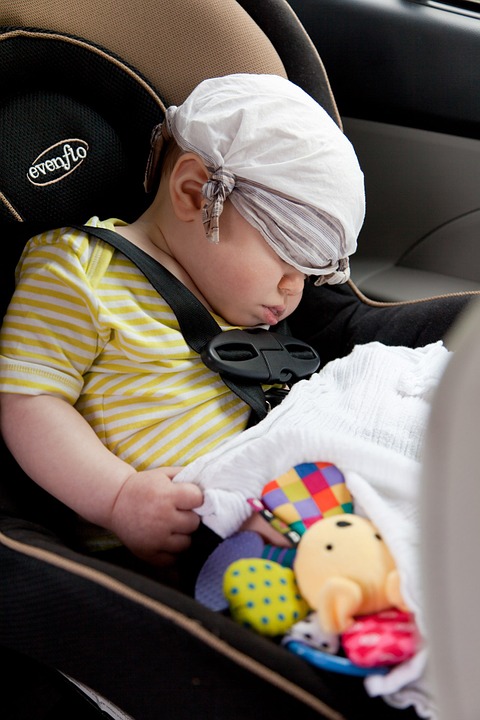
Even vigilant parents can fall victim to common errors that compromise the safety of the car seat. Prioritizing these five corrective actions can dramatically improve your child’s protection.
1. Loose Installation
As detailed above, a failure to meet the “one inch” movement rule means the seat is dangerously loose. In a collision, a loose seat will move dramatically before engaging the vehicle’s restraint system, subjecting the child to severe impact forces.
- Correction: Use your body weight (pushing down or kneeling) during tightening to compress the vehicle seat cushion, allowing you to pull the LATCH strap or seat belt tighter. Once you stand up, the compressed cushion will rebound, lending an extra degree of tension.
2. Incorrect Harness Positioning
This mistake relates specifically to the height requirement for rear-facing seats. If the harness straps come from above the shoulders in a rear-facing setup, the child will ride up the seat back in a crash, increasing the risk of head and spinal injury.
- Correction: Routinely check the harness slots to ensure they remain at or below the child’s shoulder level. As your child grows, you must adjust the harness straps upward accordingly while remaining below the shoulder line.
3. Using an Expired Car Seat
Car seats have an expiration date and should not be used past this date. This is a non-negotiable safety limit, typically set for six to ten years after the date of manufacture.
- Why Expiration Matters:
- Plastic Degradation: Extreme temperature fluctuations in cars (hot summers, cold winters) weaken the plastic over time, making it brittle and less likely to withstand crash forces.
- Technological Changes: Federal safety standards evolve. A ten-year-old seat does not meet the safety requirements and testing protocols applied to new models today.
- Wear and Tear: Belts, zippers, and buckles degrade with cleaning and everyday use.
Always check the sticker, usually located on the side or bottom of the seat, for the date of manufacture and the expiration date.
4. The Puffy Coat Problem
During the winter months, many parents dress their children in bulky winter coats, snowsuits, or puffy jackets before buckling them in. This creates dangerous slack beneath the harness straps, which may appear tight but compress instantly in a crash. This compression loosens the harness straps, allowing dangerous movement.
- Correction: Dress your child in thin, close-fitting layers inside the car seat. Once they are tightly buckled, use the coat or blanket over the harness straps to keep them warm.
5. Using Non-Regulated After-Market Products
Any accessory not manufactured by (or explicitly approved by) the car seat maker—such as non-standard head inserts, strap covers, or toys attached directly to the seat structure—can compromise the seat’s performance in a crash. Materials used in these items may not be flame-retardant or crash-tested alongside the seat.
- Correction: Stick strictly to the components included with the original car seat or accessories explicitly approved by the manufacturer.
The Lifespan of Safety: When to Transition to a Forward-Facing Car Seat
This section addresses perhaps the most debated topic among parents of young toddlers: when is it safe to turn the seat around?
The expert consensus is clear: It is recommended to keep your child in a rear-facing car seat for as long as possible, ideally until they reach the maximum weight or height limit set by the car seat manufacturer.
The Minimum vs. The Maximum
Many car seats and older state laws state that a child may switch to forward-facing once they are at least one year old and weigh 20 lbs. However, this is the minimum legal requirement, not the safety recommendation.
The current standard recommendation from pediatric experts is to utilize the rear-facing limits of your specific convertible car seat. Since most modern convertible seats allow children to rear-face until they reach 40 to 50 lbs, this often means that children remain rear-facing until they are three or four years old.
Why Wait Past Age Two?
Even if your child turns two and seems large and ready, their skeletal development may not be. Their spine and neck are still vastly better protected in the rear-facing position. A child’s size alone does not dictate their physical readiness for harnessing in the forward-facing direction.
Transitioning a child prematurely to a forward-facing seat significantly increases their risk of spinal cord injury in a frontal collision compared to remaining rear-facing.
Only transition to a forward-facing car seat when one of the following criteria is met:
- The child has reached the car seat manufacturer’s maximum rear-facing weight limit.
- The child has reached the manufacturer’s maximum rear-facing height limit (meaning their head is less than one inch from the top of the car seat shell).
Addressing the Legroom Worry
A common parental concern is that their growing toddler will be uncomfortable with bent legs in the rear-facing position. Child safety experts stress that bent or crossed legs are perfectly normal and comfortable for children. There is no documented safety risk associated with a child’s legs touching the vehicle seat back; the safety risk lies in premature forward-facing. A child will instinctively move their legs into a comfortable position.
Conclusion: Making Car Seat Safety Your Highest Commitment
Car seat safety for newborns to two years old is more than just purchasing a piece of equipment; it is a critical, ongoing aspect of parental vigilance. The proper installation and use of a rear-facing car seat are the most effective measures you can take to protect your child during travel, significantly reducing the risks associated with car accidents.
By understanding the types of seats available, dedicating the time to the correct installation method (using the 1-inch wiggle rule), and diligently avoiding common mistakes like loose harnesses or expired seats, you are providing your little one with the best possible protection.
Remember the standard: Rear-face until your child outgrows the height OR weight limit of the specific seat you own.
Stay informed, stay vigilant, and if you ever doubt your installation, seek help. Locate a Certified Child Passenger Safety Technician (CPST) in your area who can inspect your seat and provide personalized, hands-on guidance. Prioritizing your child’s safety on every car ride is the ultimate measure of care.
 Emma Lee Scott
  Lisa
Lisa
Thanks for the many tips to think about when we need to purchase a child next month.