
6 min read
1087 words
When the dream kitchen takes shape, our minds often leap to sleek countertops, gleaming appliances, and that perfect shade of cabinet paint. But in the exhilarating rush of design, one crucial element is frequently relegated to an afterthought: lighting. It’s a common oversight, yet a truly transformative one. Far from being mere utilitarian fixtures, the right lighting is the silent conductor of your kitchen symphony, influencing everything from your culinary prowess to the very feeling of the space. It’s the unsung hero that dictates functionality, enhances safety, and crafts an ambiance that transforms a workspace into a welcoming heart of the home. Let’s shed some light on why lighting is paramount and explore the best options to ensure your kitchen is not just functional, but truly dazzling.
The Pillars of Kitchen Illumination: Task, Ambient, and Accent
To achieve a truly effective and beautiful kitchen lighting scheme, it’s helpful to think in terms of three distinct layers: task, ambient, and accent lighting. Each plays a vital role in the overall success of your design.
1. Task Lighting: Precision for Your Culinary Crafts
This is where functionality reigns supreme. Task lighting provides focused, direct illumination exactly where you need it most – for chopping vegetables, measuring ingredients, whisking sauces, or scrubbing stubborn pots. Without adequate task lighting, you’re likely to find yourself working in your own shadow, leading to frustration, reduced efficiency, and even safety hazards.
Under-cabinet lighting is a non-negotiable for any serious kitchen design. These often-overlooked heroes banish the dark voids beneath your upper cabinets, casting a bright, even glow directly onto your countertops. This is a game-changer for food preparation and cleaning, allowing you to see every detail clearly. You have a few fantastic choices here:
- LED Strips: These flexible strips offer a continuous, sleek line of light that can be seamlessly integrated. They’re energy-efficient and come in various color temperatures, allowing you to match the tone of your ambient lighting.
- LED Puck Lights: These individual, disc-shaped lights offer more targeted illumination. They’re easy to install and can be strategically placed to cover specific work zones.
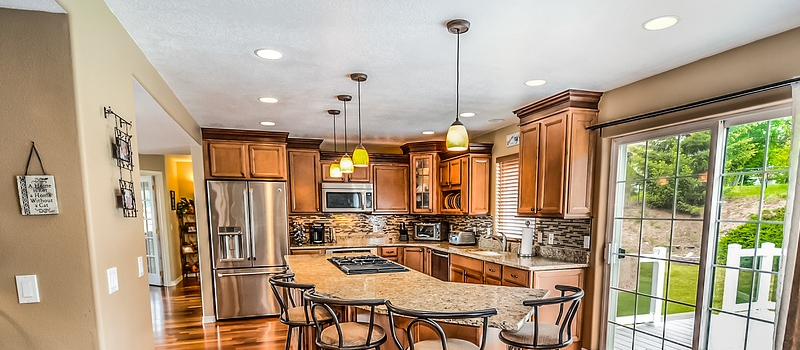
Beyond the under-cabinet realm, pendant lights are another stellar option for task lighting, particularly when you have a kitchen island or a dedicated breakfast nook. Their downward-facing light is perfect for illuminating these specific areas, making them ideal for prepping food, enjoying a casual meal, or catching up on emails. The beauty of pendant lights lies in their sheer versatility. From minimalist glass orbs to industrial metal shades or even playful ceramic designs, they offer an opportunity to infuse your kitchen with personality and style, acting as both functional light sources and eye-catching decorative elements.
2. Ambient Lighting: The Warm Embrace of Your Kitchen
Ambient lighting is the foundation of your kitchen’s illumination – it’s the general, overarching light that fills the space and creates its overall mood. It’s responsible for making your kitchen feel welcoming, comfortable, and inviting, transforming it from a mere utility room into a place where family and friends will naturally gather.
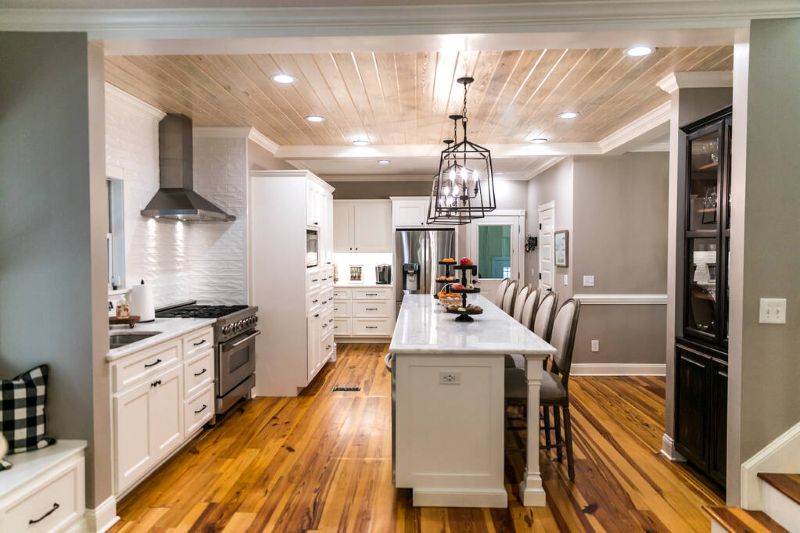
Recessed lighting, often referred to as “can lights,” is the quintessential choice for ambient illumination. These fixtures are installed flush with the ceiling, providing a soft, diffused light that spreads evenly throughout the entire kitchen. They offer a clean, uncluttered look, making them a versatile option for kitchens of all styles, from ultra-modern to more traditional. You can install them in the ceiling for a broad wash of light or strategically place them under cabinets for a layered effect that blends ambient and task lighting.
For those who crave a touch of grandeur and a focal point, a chandelier can be an absolutely stunning choice for ambient lighting. Chandeliers instantly elevate the aesthetic of a kitchen, adding a sense of elegance and sophistication. Whether your kitchen leans towards timeless traditional, sleek modern, or cozy rustic, there’s a chandelier to complement its character. A crystal chandelier can bring sparkle to a formal kitchen, while a wrought-iron fixture can enhance a farmhouse feel. Just be mindful of scale and placement to ensure it enhances, rather than overwhelms, the space.
3. Accent Lighting: Highlighting the Details You Love
Once your task and ambient lighting are in place, it’s time to add the finishing touches with accent lighting. This layer is all about drama and visual interest. Accent lighting is used to draw attention to specific architectural features, decorative elements, or valuable collections within your kitchen. Think of it as the spotlight on your kitchen’s star performers.
LED strip lights are incredibly adaptable for accent purposes. Their slim profile allows them to be discreetly tucked away, creating subtle yet effective highlights. Consider installing them along the top edge of your upper cabinets to cast a gentle glow on the ceiling, adding a sense of height and drama. Alternatively, placing them under the toe kicks of your cabinets can create a floating effect, adding a modern and intriguing dimension to your kitchen’s base.
In-cabinet lighting is another fantastic way to incorporate accent lighting. This is particularly effective if you have glass-fronted cabinets or open shelving displaying your favorite dinnerware, glassware, or decorative items. By illuminating the contents of your cabinets, you not only make them easier to see but also transform them into a curated display. You can opt for small LED puck lights strategically placed within each shelf or use flexible LED rope lights to outline the edges of your cabinet interiors. This adds a layer of visual depth and sophistication, turning your storage into a design statement.
The Illumination Conclusion: Function Meets Flair
In the grand scheme of kitchen design, lighting is undeniably far more than just an afterthought; it’s a foundational element that profoundly impacts its functionality, safety, and overall ambiance. By thoughtfully integrating task, ambient, and accent lighting, you can create a kitchen that is not only a joy to work in but also a beautiful and welcoming space to share.
Remember to consider how each type of lighting will work together. For instance, the cool, crisp light of under-cabinet task lighting can beautifully complement the warm, inviting glow of recessed ambient lighting. And don’t be afraid to experiment with dimmers on all your fixtures to allow you to adjust the mood and brightness for any occasion. With a little planning and the right selection of fixtures, your kitchen lighting can transition from a secondary consideration to a star player, illuminating your culinary adventures and transforming your kitchen into the true heart of your home.
 Leo Allen
  Ananya
  Sierra Powell
I would love new lighting in my kitchen. Everyone bangs their head on the one over the table and cooking in the evening brings a challenge to the kitchen as the lighting is very poor. I’d love under counter lighting and some recessed lights too.
Good lighting is so important,this is beautiful!
I need a whole new kitchen, but I love to have good lighting in my kitchen, when making supper and new recipes, I need to see what I’m doing!