
8 min read
1548 words
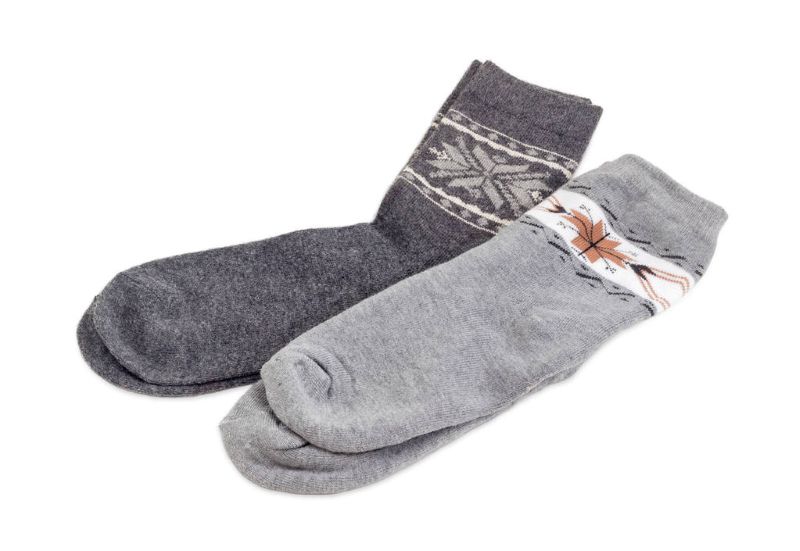
The biting cold of a Canadian winter is something most of us experience fleetingly—a quick dash from the heated house to the heated car. But for thousands of Canadians experiencing homelessness, this cold is a constant, relentless threat, an enemy that doesn’t just cause discomfort, but actively undermines health and threatens survival. We often think of donating coats, blankets, or canned goods. These items are vital, yes. But there is one item—small, often overlooked, yet profoundly critical—that serves as an invisible lifeline: thermal socks.
Socks are consistently the most requested item at shelters and outreach programs, and yet, they are the least donated. We are not talking about thin cotton tubes here; we are talking about high-performance thermal heat holders that stand as the final barrier against devastating cold-related injuries. Donating the right kind of sock is not merely an act of kindness; it is a direct intervention against medical crisis.
To truly understand the urgency of this need, we must first confront the scale of the crisis unfolding across our country.
The Scale of Silence: Homelessness in Canada
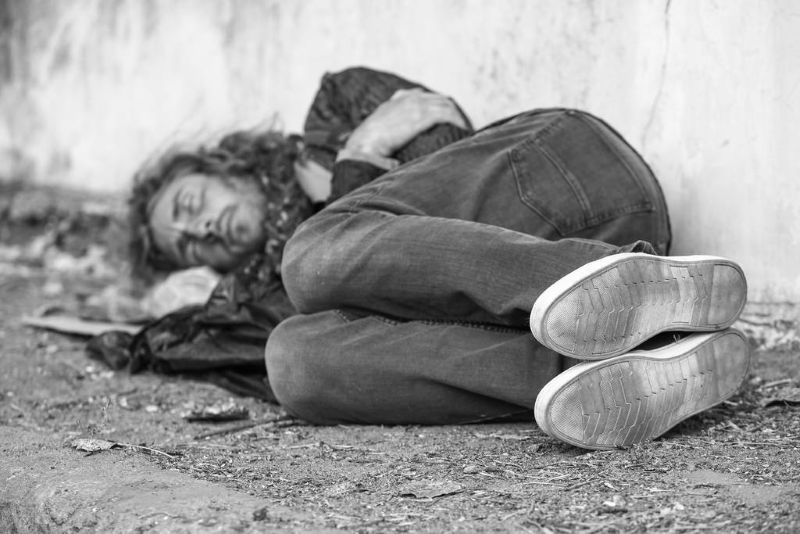
Homelessness is a complex, systemic failure that transcends housing; it is a profound public health emergency. In a country as wealthy and resource-rich as Canada, the statistics on those without permanent shelter are staggering and deeply disturbing.
While precise, real-time counts are notoriously difficult to gather, studies and comprehensive analyses paint a stark picture:
- The Annual Count: It is estimated that at least 235,000 Canadians experience homelessness during the course of a year.
- The Chronic Crisis: Approximately 30,000 Canadians are considered “chronically homeless,” meaning they have been without stable housing for extended periods or repeatedly over several years.
- Vulnerable Populations: The crisis disproportionately affects highly vulnerable groups. Indigenous Peoples are vastly over-represented in the homeless population due to ongoing systemic issues, making up a significant percentage of shelter users despite being a far smaller percentage of the general population. Similarly, youth and veterans face elevated risks.
These are not just numbers; they represent brothers, sisters, neighbours, and community members facing the daily reality of exposure. When temperatures plummet, the risks they face escalate dramatically. For those forced to sleep rough or spend hours standing on cold concrete, feet are often the first part of the body to suffer, leading us to the urgent discussion of footwear protection.
The standard donation box might receive a dozen pairs of thin, cotton socks. While given with good intent, these materials fail quickly under the environmental pressures faced by those on the street. They wick moisture poorly, retain cold, and offer virtually no protection against frostbite or the silent, debilitating threat known as trench foot.
This realization brings us to a fundamental conclusion: if we are serious about supporting the homeless population through the crucial winter months, we must prioritize quality over quantity, focusing specifically on high-performance thermal wear.
Beyond Comfort: Why Thermal Socks are a Medical Necessity
When cold and dampness meet, the feet become ground zero for serious medical complications. For an individual who may walk miles daily, lacks the ability to change socks frequently, and has no reliable way to dry footwear, the consequences of poor sock quality are severe.
This is where the persuasive argument for high-quality thermal socks—specifically those designed to manage moisture and maximize insulation—shifts from a charitable appeal to a medical imperative.
The Silent Threat: Trench Foot and Fungal Infections
Trench foot (or immersion foot) is a historical illness tragically common among the modern homeless population. It occurs when feet are kept cold and wet for extended periods.
- Vascular Damage: The blood vessels constrict to conserve heat.
- Tissue Breakdown: Without proper circulation, oxygen is restricted, and the tissue begins to die.
- Consequences: The foot swells, blisters, and tissue necrosis can set in. If left untreated, trench foot leads to agonizing pain, debilitating nerve damage, and often requires aggressive medical intervention, sometimes resulting in amputation.
The risk of fungal infections (like athlete’s foot) and subsequent bacterial infections (like cellulitis) also skyrockets when feet are trapped in damp, non-breathable environments. These conditions are not minor annoyances; they are pathways to systemic infections that can be life-threatening, especially for individuals already dealing with poor nutrition and compromised immune systems.
The Critical Gap in Standard Donations
Cotton, the most common material found in donated socks, is arguably the worst choice for cold weather survival. Cotton holds moisture like a sponge. When wet, it loses nearly all its insulating properties. For someone outside battling snow or rain, cotton socks quickly become tools for heat loss, accelerating the onset of hypothermia and frostbite.
Thermal socks, in contrast, are engineered to perform two essential functions:
- Insulation: Trapping body heat efficiently around the foot.
- Wicking: Moving moisture (sweat) away from the skin up into the sock fabric where it can evaporate more easily, ensuring the skin stays dry and warm.
Donating a single pair of high-quality thermal wool or synthetic socks can mean the difference between maintaining foot health and needing an emergency room visit for frostbite treatment.
The Crucial Criteria: Choosing the Right Heat Holders
When purchasing thermal socks specifically for donation, the focus must be on longevity, warmth, and moisture management. We must choose materials that are durable enough to withstand weeks of continuous wear and challenging environmental conditions.
Here is a breakdown of the best materials and features to prioritize in thermal socks:
1. Material Matters: Focusing on Performance Fibers
- Merino Wool (The Gold Standard): Merino wool is expensive, but it is unmatched in its performance for cold weather. It is naturally moisture-wicking, breathable, and, critically, it retains a high degree of warmth even when damp. It also naturally resists odour, which is a significant factor when laundry access is limited.
- Synthetic Blends (The High-Value Choice): These are usually a mix of acrylic, polyester, and elastane. Modern synthetics are exceptionally effective at wicking moisture. They are often more durable and quicker drying than pure wool, making them an excellent, often more affordable alternative for bulk donations.
- Avoid Cotton: As established, avoid 100% cotton socks entirely. Look for blends that have less than 10% cotton content.
Essential Features for Longevity and Protection
Beyond the fibre type, the construction and features of the sock ensure maximum protection and comfort during prolonged use:
Cushioning and Density
Look for “fully cushioned” or “heavy duty” thermal socks. The added material density provides extra insulation and, crucially, offers a layer of padding against hard concrete and rough footwear interiors. This cushioning helps prevent pressure sores and blisters which can easily become infected.
Height and Elasticity
Socks should be at least crew height, if not over-the-calf. This extended height ensures that lower legs—which can often be exposed when sitting or resting—are protected. Strong but gentle elasticity around the calf helps keep the sock up, preventing bunching, which causes friction and blisters.
Seamless Design
While often a feature associated with comfort, seamless toes are vital for those who spend hours on their feet. Seams, especially on cheaper socks, can rub, causing friction wounds that quickly break the skin barrier, creating entry points for bacteria.
Durability (Focus on the Heel and Toe)
The areas of highest friction are the heel and the toe box. High-quality thermal socks often feature reinforced stitching or denser material in these areas to prevent premature wear and holing. A sock with a hole is a sock that loses its thermal properties entirely and is quickly discarded. Durability ensures that your donation lasts through sustained use.
A Call to Action: Making Your Donation Count
The goal of a persuasive appeal is to move from knowledge to action. Knowing what the best socks are means very little unless that knowledge translates into effective donations.
This winter, when you consider how to help those facing homelessness in Canada, make a targeted, quality-driven choice.
1. Prioritize Quality Over Quantity:
It is more effective to donate ten pairs of high-performance thermal socks (wool or specialized synthetic blends) than 50 pairs of thin, white cotton socks. Your dollar goes furthest when it buys protection that genuinely lasts and provides medicinal warmth.
2. Partner with Local Experts:
Don’t just drop off generic items. Contact your local shelters, community outreach centres, or street nursing teams. Ask them specifically what their highest-priority items are. They are on the front lines and know exactly which brands and materials hold up best against the urban elements.
3. Organize Socking Drives:
Start a “Thermal Sock Drive” at your office, school, or community centre. Specify that all donated socks must be new, heavy-duty, and made of approved thermal materials (synthetic or wool). Use this blog post as an educational tool to explain why quality is mandatory.
4. Financial Support for Bulk Buys:
If buying socks individually is challenging, donate funds specifically earmarked for the purchase of professional-grade winter gear. Shelters can often purchase these high-value items in bulk at reduced costs, maximizing your impact.
Homelessness in Canada is an urgent and solvable crisis defined by complex issues of housing, mental health, and systemic inequality. While we work toward those larger solutions, we have the immediate responsibility to ensure basic survival and dignity.
The right pair of socks is a simple, affordable, and incredibly powerful form of disaster relief. Let’s not just offer comfort this winter; let’s offer protection, health, and a tangible lifeline against the cold.
 Lynn Leblanc
  Sierra Powell
  Carly
Carly
Put me down for all kinds!! Last winter i was 80 lbs this year I’m 103… I’m cold all the freaking time.. I have discovered though if I keep my feet warm I stay warm! .. I’m 47… still learning new things about myself <3
I had no idea these socks existed. I would love these for my boys. I really want the thermal tights for myself.
These are awesome to keep the kids feet warm, I think my hubby needs a pair he is always complaining his feet are cold!!
I was at Mark’s and saw these and was giving hubby hints.
Hopefully he caught on.