World Down Syndrome Day: Embracing Diversity and Inclusion
5 min read
996 words
Every year, on March 21st, the world unites to observe World Down Syndrome Day (WDSD). This isn’t just a date on the calendar; it’s a powerful global awareness campaign that celebrates the lives and achievements of individuals with Down syndrome, advocates for their rights, and promotes their full inclusion in society. For communities and individuals worldwide, WDSD serves as a crucial reminder of the importance of diversity and the profound value every person brings to our collective tapestry. This blog post explores the significance of World Down Syndrome Day, delves into what Down syndrome is, challenges common misconceptions, and highlights how embracing diversity strengthens us all.
What is Down Syndrome? Understanding Trisomy 21
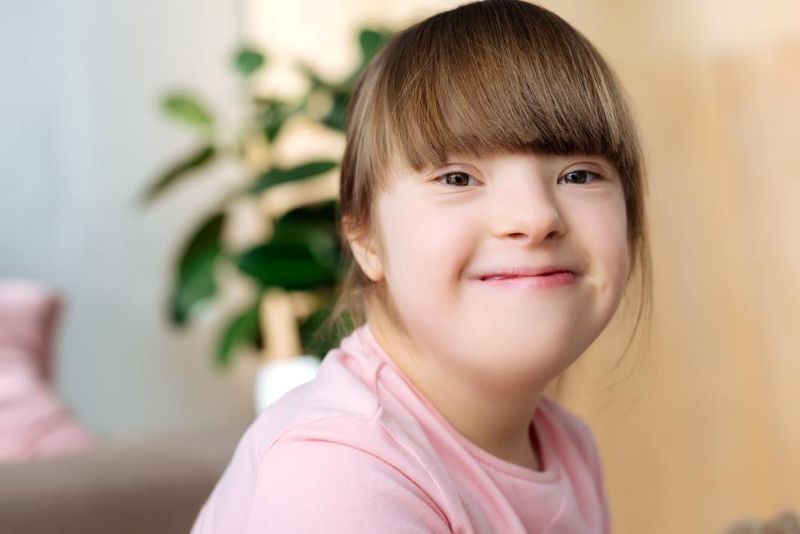
Down syndrome is a naturally occurring chromosomal arrangement that has always been a part of the human condition, existing in all regions across the globe and commonly resulting in varying degrees of intellectual and physical challenges. It occurs when an individual has a full or partial extra copy of chromosome 21, hence the chosen date for World Down Syndrome Day: March 21st (3/21). This extra genetic material alters the typical development of the brain and body.
It’s crucial to understand that Down syndrome is not an illness or a disease. It’s a genetic condition that individuals are born with, and while it presents unique challenges and strengths, it is not something to be cured. Instead, it’s about understanding, support, and creating environments where individuals with Down syndrome can thrive and lead meaningful, fulfilling lives.
The Significance of March 21st

The date 3/21 is symbolic and easily remembered. It represents the “triplication” (three copies) of the 21st chromosome, which causes Down syndrome. This thoughtful choice helps to educate and raise awareness about the genetic basis of the condition, making it more accessible to a general audience.
World Down Syndrome Day provides a platform for people with Down syndrome, their families, friends, advocates, and professionals to:
- Raise awareness about Down syndrome.
- Educate the public on the challenges and successes faced by individuals with the condition.
- Advocate for the rights, inclusion, and well-being of people with Down syndrome worldwide.
- Celebrate their unique contributions to society.
Why Embrace Diversity and Inclusion?
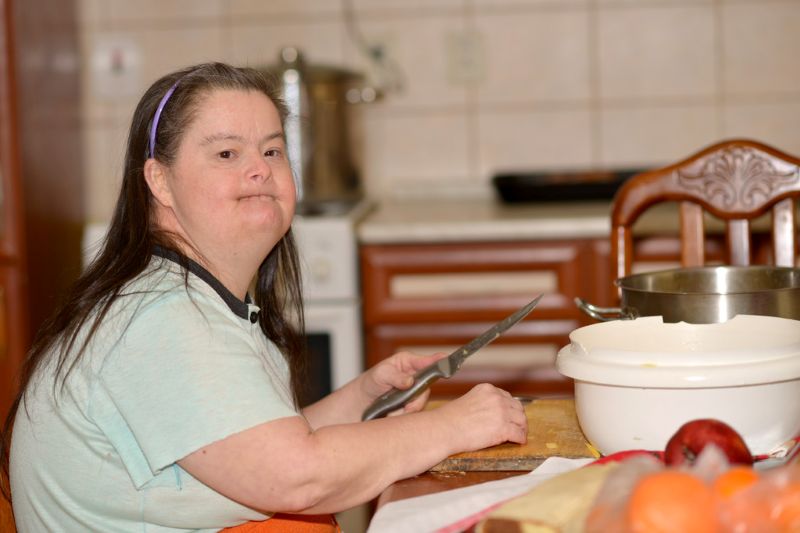
The theme of “Embracing Diversity and Inclusion” isn’t merely a feel-good phrase; it’s a fundamental principle for building stronger, more compassionate, and more innovative societies. When we genuinely embrace diversity, we recognize and value the differences in people – whether it’s their background, abilities, perspectives, or experiences. Inclusion, then, is the active process of ensuring these diverse individuals feel welcomed, respected, and have equal opportunities to participate and contribute.
For individuals with Down syndrome, true inclusion means:
- Access to quality education alongside their peers.
- Meaningful employment opportunities.
- Participation in community life, sports, and arts.
- The ability to make their own choices and live independently to the fullest extent possible.
- Being seen and valued for who they are, not just their diagnosis.
Societies that embrace diversity and inclusion benefit immensely. They are more empathetic, foster greater creativity, enhance problem-solving, and build stronger social bonds. By creating a world where everyone belongs, we enrich our collective human experience.
Breaking Down Stereotypes and Challenging Misconceptions

One of the most important aspects of World Down Syndrome Day is the opportunity to dismantle outdated stereotypes and misconceptions. Historically, individuals with Down syndrome were often marginalized, institutionalized, or underestimated. Today, we know better.
Common myths often include:
- Myth: People with Down syndrome are “always happy” or childlike.
- Reality: Individuals with Down syndrome experience a full range of emotions, just like anyone else. They are adults capable of complex thoughts and feelings.
- Myth: They cannot learn or achieve meaningful goals.
- Reality: While they may learn at a different pace, people with Down syndrome attend schools, graduate, hold jobs, live independently, form relationships, and pursue passions like art and sports. Their potential is often limited more by societal expectations and lack of opportunity than by their condition.
- Myth: They cannot contribute meaningfully to society.
- Reality: From working in local businesses to advocating for their own rights, individuals with Down syndrome are active and valued members of their communities, contributing in countless ways.
By sharing real stories and focusing on abilities rather than limitations, we can help shift perceptions and foster genuine understanding and acceptance.
How You Can Get Involved and Make a Difference
Making a positive impact on World Down Syndrome Day is easier than you might think. Here are several ways you can participate and support the movement for greater inclusion and awareness:
- Rock Your Socks! The “Rock Your Socks” campaign is a fun, visual way to show your support. Wear mismatched, colorful, or highly patterned socks to start conversations and highlight the uniqueness of individuals with Down syndrome.
- Educate Yourself and Others: Share accurate information about Down syndrome. This blog post is a start! Visit reputable websites like Down Syndrome International (DSi) or your local Down syndrome association for more resources.
- Use Your Voice: Speak up against discrimination and advocate for policies that promote inclusion in education, employment, and community life.
- Support Organizations: Donate your time or resources to organizations dedicated to supporting individuals with Down syndrome and their families.
- Engage on Social Media: Use hashtags like #WorldDownSyndromeDay, #WDSD, #LotsOfSocks, and #EndTheStereotypes to share messages of celebration, support, and advocacy.
- Celebrate Abilities: Create opportunities for interaction and celebrate the abilities, talents, and contributions of individuals with Down syndrome in your own community.
The Future: A More Inclusive World
The journey towards full inclusion is ongoing, but significant progress has been made. On World Down Syndrome Day, we reflect on the strides taken and look forward with hope to a future where every individual, regardless of their chromosomal makeup, has the fair chance to live a life of dignity, purpose, and belonging.
By championing diversity and practicing active inclusion every day, we move closer to creating a truly equitable and compassionate world for everyone. Let’s make this World Down Syndrome Day more than just a day of awareness; let it be a catalyst for sustained change and acceptance.