How do I stop my pipes from bursting in cold weather?
4 min read
610 words
As the temperature plummets, homeowners face a common and costly fear: a burst pipe. The thought of a sudden flood, ruined floors, and expensive emergency repairs is enough to make anyone anxious. But this winter disaster is often preventable. The key isn’t just reacting to the cold, but preparing for it.
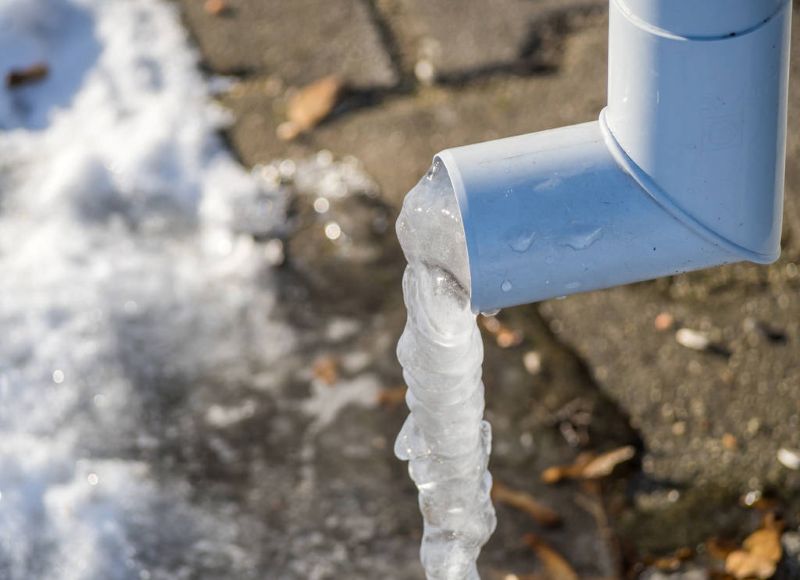
Water has a unique property: it expands when it freezes. Inside a sealed metal or plastic pipe, this expansion creates immense pressure. It’s not the ice itself that ruptures the pipe, but the water pressure building up between the ice blockage and a closed faucet. By taking a few simple, proactive steps, you can protect your plumbing and your peace of mind.
Proactive Steps to Take Before the Freeze
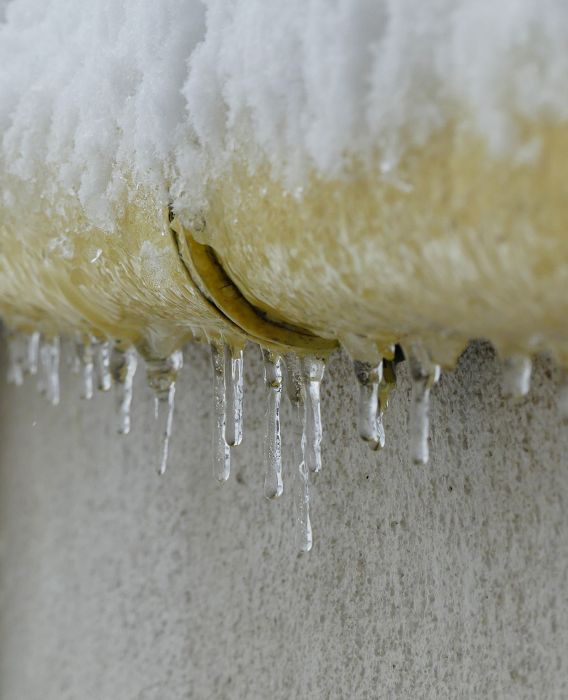
The best defense is a good offense. Taking these measures before the first deep freeze sets in can save you a significant headache later.
- Insulate Vulnerable Pipes: Your first line of defense is insulation. Identify pipes in unheated or poorly heated areas of your home, such as the attic, crawl space, basement, or along exterior walls. You can use inexpensive foam pipe sleeves or fiberglass insulation wraps from any hardware store. Simply cut them to size and fit them around the pipes. This simple barrier helps keep the water inside above freezing.
- Disconnect and Drain Outdoor Hoses: This is one of the most common and easily avoided causes of burst pipes. Disconnect all garden hoses from their spigots. If you don’t, water trapped inside the hose and spigot can freeze, expand, and crack the fixture or the connecting pipe inside your wall. Once the hose is off, make sure to let the outdoor faucet drain completely.
- Seal Air Leaks: Cold air is the enemy. Meticulously inspect your home’s foundation, crawl spaces, and exterior walls for any cracks or holes where utility lines or pipes enter. Use caulk or spray foam insulation to seal these gaps. This not only protects your pipes but also improves your home’s energy efficiency.
Immediate Actions During a Deep Freeze
When the forecast predicts a severe cold snap, it’s time to take a few immediate actions, especially if you have had issues with frozen pipes in the past.
- Let the Faucet Drip: It may seem counterintuitive to waste water, but a small, consistent drip can be a lifesaver for your pipes. Open the faucet—both hot and cold lines—that is furthest from where your water main enters the house. Even a trickle of moving water helps prevent freezing by relieving that dangerous pressure buildup inside the pipes. The cost of a few drips of water is negligible compared to the cost of repairing a burst pipe.
- Open Cabinet Doors: Pipes located under kitchen and bathroom sinks are often vulnerable because they are enclosed in a cabinet against a cold exterior wall. By simply opening the cabinet doors, you allow the warmer air from your home to circulate around the plumbing, keeping the temperature safely above freezing.
- Maintain a Consistent Temperature: Resist the urge to set your thermostat too low at night or when you leave the house. While you might save a little on your heating bill, a sudden drop in temperature inside your home could be the tipping point that causes a pipe to freeze. Keeping the heat at a steady, reasonable temperature (at least 55°F or 13°C) is a crucial part of your prevention strategy.
By taking these preparations, you can significantly reduce the risk of facing a watery disaster this winter. A little bit of time spent on prevention now offers valuable protection against the expensive and stressful reality of a burst pipe. Stay warm, and keep your home safe.