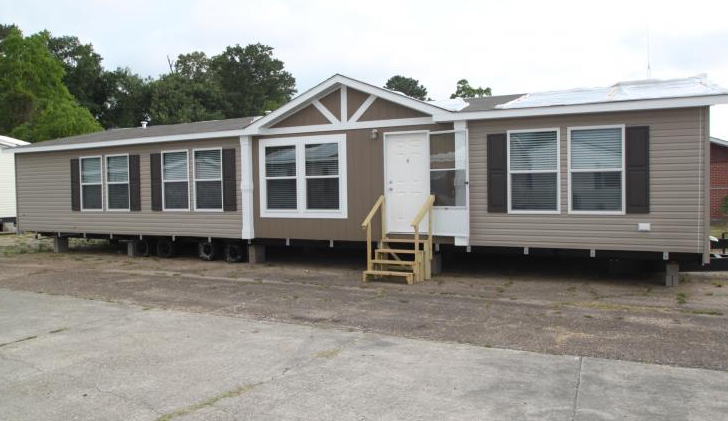

Affording a new home just got easier with these finance tips
10 min read
1843 words
For many people, buying a home represents stability, independence and a place to call their own. However, turning that dream into reality requires careful financial planning, especially when saving for a down payment, managing debt and qualifying for a mortgage
Whether you’re a first-time homebuyer or preparing to move into a different home, understanding your finances can help you make informed decisions. From creating a realistic budget to reviewing your credit and exploring Canadian homebuyer programs, there are several steps you can take to prepare for the costs of homeownership.
In this article, we’ll explore practical financial strategies to help you understand what you can afford and prepare for the responsibilities of buying a home in Canada.
Understanding Your Budget and Financial Limits
The first step toward buying a home is understanding how much you can comfortably afford. Before looking at properties, take an honest look at your household income, monthly expenses, existing debts and savings.
Start by tracking where your money goes each month. Include essential expenses such as groceries, utilities, transportation, insurance and debt payments, along with discretionary spending such as entertainment and dining out. Reviewing your spending habits may help you identify areas where you can save.
Next, estimate the total cost of homeownership. Your monthly mortgage payment is only one part of the picture. You’ll also need to account for property taxes, home insurance, utilities, maintenance and repairs. If you’re considering a condominium, remember to include monthly condominium fees.
Mortgage calculators can help you estimate potential payments at different purchase prices and interest rates. However, the amount a lender is willing to lend may differ from what you can comfortably manage on your household budget.
A mortgage pre-approval can help you understand your potential borrowing capacity, but it is not a guarantee of final mortgage approval. Leave room in your budget for unexpected expenses and changes in your financial circumstances.
Exploring Mortgage Options in Canada
Choosing the right mortgage is an important part of making homeownership affordable. Canadian lenders offer different mortgage products, and the terms available to you will depend on factors such as your income, credit history, down payment and overall financial situation.
Two common options are fixed-rate and variable-rate mortgages.
A fixed-rate mortgage has an interest rate that remains the same throughout the mortgage term. This can make it easier to plan your payments during that period.
A variable-rate mortgage has an interest rate that can change in response to changes in the lender’s prime rate. Depending on the mortgage terms, changes may affect your payment amount or the proportion of each payment that goes toward interest and principal.
When comparing mortgages, look beyond the advertised interest rate. Review the term, amortization period, payment frequency, prepayment privileges, penalties for breaking the mortgage and any associated fees.
Canadian lenders also assess whether borrowers can manage mortgage payments under applicable qualification rules, including the mortgage stress test where required. A mortgage professional can explain how these requirements apply to your situation.
Compare offers from different lenders and ask questions about anything you don’t understand. The goal is to find financing that fits your circumstances, not simply to borrow the maximum amount available.
Saving for a Down Payment
Your down payment is the money you contribute toward the purchase price of your home. The amount you need depends on the property’s purchase price and the applicable mortgage rules.
In Canada, the minimum down payment for an eligible home is generally:
- $500,000 or less: At least 5% of the purchase price.
- More than $500,000 but less than $1.5 million: At least 5% of the first $500,000 and 10% of the portion above $500,000.
- $1.5 million or more: At least 20% of the purchase price.
These minimums are subject to eligibility requirements and lender approval. If your down payment is less than 20%, you will typically need mortgage loan insurance for an eligible property. This insurance protects the lender if the borrower defaults; it does not protect the homeowner. The premium may be added to the mortgage or paid upfront, depending on the arrangements.
Although a smaller down payment may make buying a home possible sooner, saving a larger amount can reduce the size of your mortgage and may lower borrowing costs over time.
To build your savings, consider setting up automatic transfers to a dedicated savings account, reviewing recurring expenses and directing bonuses or tax refunds toward your goal. Keep money available for closing costs and emergencies rather than putting every dollar into the down payment.
For official details about minimum down payments and mortgage loan insurance, consult the Financial Consumer Agency of Canada’s down payment guide.
Improving Your Credit Score Before Applying for a Mortgage
Your credit history and credit score can play an important role when you apply for a mortgage. Lenders may review your payment history, outstanding debts, credit utilization and other financial information when assessing your application. Each lender has its own criteria, and your credit score alone does not determine whether you qualify.
There are several steps you can take to manage your credit before applying for a mortgage.
Pay bills on time. Payment history is an important factor in credit scoring. Set up reminders or automatic payments where appropriate to help avoid missed due dates.
Manage credit card balances. Try to keep balances manageable relative to your available credit and avoid taking on more debt than you can comfortably repay.
Review your credit report. Check your report for incorrect personal information, unfamiliar accounts, inaccurate balances or other errors. If you find a problem, contact the credit reporting agency and the relevant creditor to request a correction.
Be thoughtful about new credit applications. Taking on additional debt shortly before applying for a mortgage may affect your financial picture. Avoid unnecessary applications and discuss significant financial changes with your mortgage professional.
Check Your Credit Before Buying a Home
Preparing to buy a home is a good time to review your credit report and understand your credit health. You can request a free copy of your credit report through TransUnion Canada’s consumer disclosure service.
Reviewing your report can help you identify potential errors, check the accounts associated with your name and understand the credit information lenders may consider when assessing a mortgage application. If you notice inaccurate information, contact TransUnion and the relevant creditor to ask about correcting it.
Checking your own credit report does not lower your credit score. Reviewing your credit information before applying for a mortgage can give you time to address potential inaccuracies and better understand your financial position.
Remember that lenders consider several factors when assessing mortgage applications, including income, existing debt, credit history and the ability to manage mortgage payments. A credit score alone does not determine whether you qualify.
Planning for Additional Homeownership Costs
The purchase price and mortgage payment are not the only expenses to consider when buying a home. Closing costs can add thousands of dollars to the amount you need to save before taking possession.
Depending on the property and location, these expenses may include:
- Legal fees and disbursements.
- Land transfer tax, where applicable.
- A home inspection and appraisal.
- Title insurance and other transaction-related costs.
- Adjustments for property taxes, utilities or other prepaid expenses.
- Moving costs and essential furniture or appliances.
As a general planning estimate, closing costs may amount to approximately 1.5% to 4% of the purchase price, although the actual amount varies. Buyers in Ontario should also investigate provincial land transfer tax and whether Toronto’s additional municipal land transfer tax applies.
After moving in, you’ll need to budget for property taxes, home insurance, utilities, routine maintenance and unexpected repairs. Homeowners may also face costs for replacing appliances, repairing a roof or maintaining heating and cooling systems.
If you’re purchasing a condominium, review the monthly fees and the available information about the condominium corporation’s financial health and reserve fund.
Setting aside an emergency fund can help you manage unexpected expenses without relying on credit cards or loans. Planning for these costs before you buy can reduce financial pressure after moving into your new home.
Exploring Canadian First-Time Homebuyer Programs

First-time homebuyers in Canada may be eligible for programs that help them save for a home or use existing savings toward a qualifying purchase. Eligibility rules and withdrawal conditions apply, so review the current requirements before making financial decisions.
First Home Savings Account (FHSA)
An FHSA is a registered account designed to help eligible Canadians save toward their first qualifying home. Contributions are generally tax-deductible, and qualifying withdrawals used to purchase a home are tax-free. Contribution limits and eligibility rules apply.
Home Buyers’ Plan (HBP)
The Home Buyers’ Plan allows eligible individuals to withdraw funds from their Registered Retirement Savings Plans (RRSPs) to buy or build a qualifying home, subject to program limits and repayment requirements. Check the current rules before withdrawing funds.
Home buyers’ tax credits and provincial programs
Depending on your circumstances, you may qualify for a federal home buyers’ amount or other provincial and municipal assistance. Program availability, income limits, residency requirements and qualifying conditions can vary.
Start with the Government of Canada’s homebuying programs and incentives resources to learn about current options. A qualified tax professional or financial adviser can help you understand how a program may fit into your plans.
Seeking Professional Financial Advice
Buying a home involves major financial decisions, and professional guidance can help you understand your options.
A mortgage broker or lender can explain available mortgage products, assess your borrowing capacity and help you compare terms. A financial adviser can help you plan your savings, manage debt and consider how a home purchase fits into your longer-term financial goals.
You may also wish to consult a tax professional about registered savings accounts, homebuyer incentives and the tax implications of your plans.
Before agreeing to any mortgage, make sure you understand the interest rate, payment schedule, fees, prepayment conditions and potential penalties. Ask questions if any part of the agreement is unclear.
Professional advice cannot guarantee mortgage approval or eliminate financial risk, but it can help you make decisions based on your own circumstances.
Preparing for the Journey to Homeownership
Affording a home is about more than qualifying for a mortgage. It means finding a property that fits your budget while leaving enough money for everyday expenses, unexpected repairs and future financial goals.
Start by understanding your income and spending, creating a realistic savings plan, reviewing your credit report and comparing mortgage options. Remember to account for closing costs and ongoing homeownership expenses, and investigate any Canadian programs for which you may qualify.
Most importantly, avoid stretching your finances to the limit simply to purchase a particular property. A home should provide a place to live and build memories without leaving you constantly worried about making ends meet.
With careful preparation, informed decisions and a realistic budget, you can take practical steps toward homeownership with greater confidence.
Important Information
This article is intended for general educational purposes and is not individualized financial, mortgage, tax or legal advice. Mortgage requirements, government programs and eligibility rules may change. Confirm current details with official government sources and qualified professionals before making financial decisions.
Last updated: October 23, 2026.