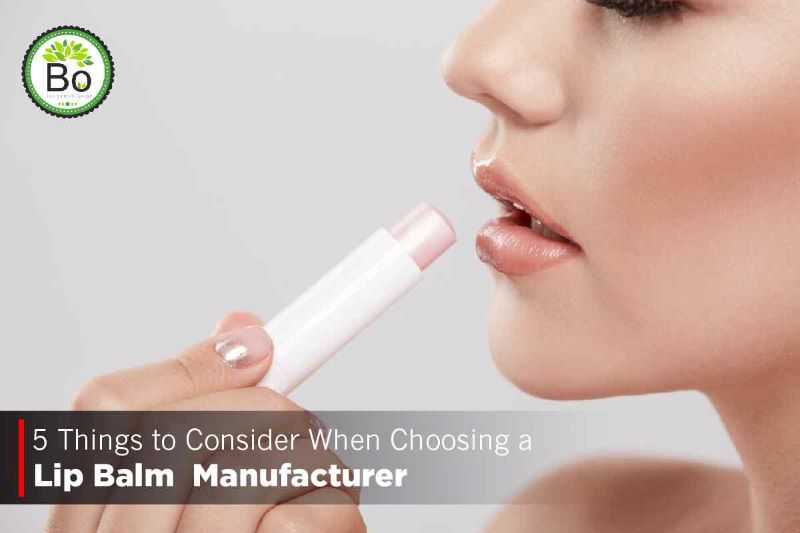
Choosing a Lip Balm Manufacturer – 5 Things to Consider
5 min read
913 words
Launching a successful lip care line requires more than just a great formula—it demands a reliable, compliant, and experienced manufacturing partner. The manufacturer you choose is the silent backbone of your brand, impacting everything from product safety and scalability to market speed. If you are entering the competitive beauty industry, selecting the right lip balm manufacturer is arguably the most crucial decision you will make. It determines whether your product will be an industry standout or a costly liability.
To help you navigate this essential process, we have compiled the five critical factors you must evaluate before signing a manufacturing agreement. Use this checklist to ensure your private label lip balm brand is built on a foundation of quality and professionalism.
1. Quality Control & Certifications: Beyond the Basics
In the cosmetic world, compliance is non-negotiable. The first priority for any prospective lip balm manufacturer must be adherence to stringent quality control standards. This commitment ensures consumer safety and protects your brand’s reputation.
The Gold Standard: GMP Certification
The most important acronym to look for is Good Manufacturing Practices (GMP). GMP certification confirms that a facility consistently produces high-quality products that meet regulatory standards (such as those enforced by the FDA or international bodies).
What to verify:
- Third-Party Audits: Does the manufacturer willingly submit to regular third-party quality audits?
- Batch Consistency: Ask about their process for ensuring every single batch—from 1,000 units to 100,000 units—is identical in texture, color, and efficacy.
- Ingredient Vetting: How do they vet their raw material suppliers? Ensure they maintain detailed records on the origin and testing of all ingredients used in your custom lip balm formulation.
2. Formulation Expertise: Stock, Private Label, or Custom?
A manufacturer’s willingness and ability to meet your specific formulation needs directly impacts your product’s uniqueness. You need to understand the difference between their offerings:
A. Stock Formulas (White Label)
This is the fastest and most cost-effective solution. The manufacturer provides a proven, existing formula that you package under your brand name. Great for startups seeking minimal risk and low Minimum Order Quantities (MOQs).
B. Private Label Customization
The manufacturer takes a stock formula and modifies it slightly (e.g., changing the scent, adding a specific active ingredient, or adjusting the tint). This allows for differentiation without the high costs of a complete R&D endeavor.
C. True Custom Formulation
If your lip balm concept is unique—perhaps it features a novel texture, a specialized SPF, or rare botanical extracts—you will require a manufacturer with in-house chemists and extensive research & development (R&D) capabilities. This process is complex but results in a proprietary product that competitors cannot easily copy.
Key Question: Can the manufacturer develop sophisticated products (e.g., anhydrous formulas, cruelty-free certification, specific vegan requirements) that align with your brand’s mission?
3. Minimum Order Quantity (MOQ) and Scalability
Financial feasibility often rests on the Minimum Order Quantity (MOQ) set by the manufacturer. MOQs represent the smallest production run a facility will accept.
Starting Small vs. Planning for Growth
If you are a startup, finding a partner with low MOQs (often between 1,000 and 5,000 units for lip balm) is critical to reduce initial overhead and inventory risk.
However, never choose a partner solely based on a low MOQ. You must also assess their capacity for growth.
Scalability Assessment:
- Check Production Capacity: If your lip balm becomes a bestseller and you suddenly need to jump from 5,000 units to 50,000 units per month, can the manufacturer handle the volume increase without compromising lead times or quality?
- Flexibility: Does the manufacturer offer tiered pricing that rewards larger orders? A strong partnership means better unit economics as your brand grows.
4. Turnkey Services and Packaging Capabilities
The best cosmetic manufacturers offer “turnkey solutions,” meaning they handle everything from blending the formula to filling the tubes, applying the labels, and preparing the final packaged goods for shipment. This consolidates your supply chain and minimizes logistical headaches.
Beyond the Bulk
Lip balm packaging can be tricky—from securing specialized aluminum tubes to ensuring accurate filling weights in stick applicators.
Evaluate their packaging services:
- Variety of Formats: Do they specialize only in traditional sticks, or can they handle tins, jars, squeeze tubes, or unique eco-friendly packaging (e.g., paperboard)?
- Labeling and Printing: Ensure they understand regulatory labeling requirements (INCI lists, net weight, etc.) and can manage high-quality printing, shrink-wrapping, and secondary packaging (like display boxes).
5. Pricing Structure and Transparency
A trustworthy manufacturing partnership is built on transparent pricing and communication. You should understand exactly what you are paying for—and what you are not—in the manufacturer’s quote.
Deconstructing the Quote
Ensure the quote clearly itemizes costs associated with:
- Raw Materials: Cost per unit of ingredients.
- Labor & Formulation: Production time and R&D fees (if custom).
- Packaging Components: Tubes, caps, labels, and boxes.
- Filling & Assembly: The process of putting the product into the container.
- Quality Assurance (QA) Testing: Mandatory testing required before release.
Beware of manufacturers who quote an unusually low unit price but then tack on exorbitant fees for testing, labeling, or small operational changes. Always ask for a detailed breakdown and clarify their policy on production delays.
Conclusion: Partnering for Profitability
Choosing a lip balm manufacturer is more than a transactional decision; it is a strategic partnership that will define your brand’s future. By prioritizing GMP certification, evaluating formulation expertise, aligning on suitable MOQs, utilizing turnkey services, and demanding pricing transparency, you set your lip care line up for sustainable success.