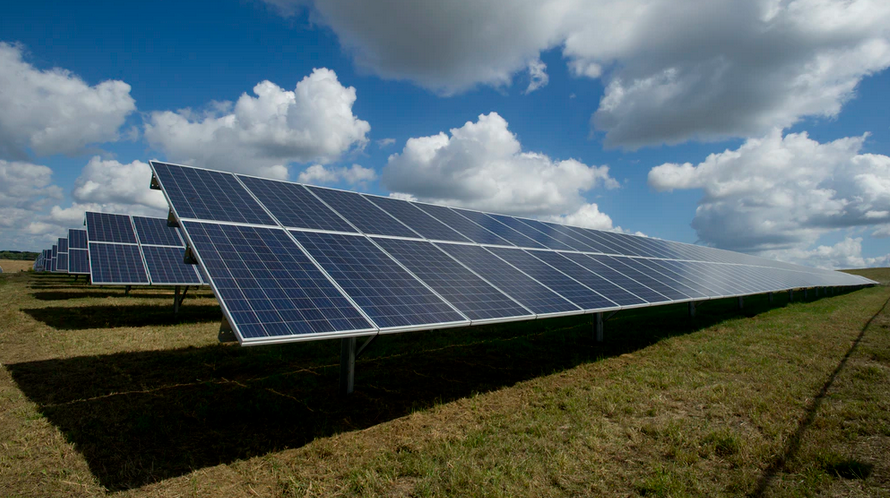
Solar Panel Installations Financial Benefits
7 min read
1204 words
Are you considering solar panel installations for your home in the United States? As energy costs continue to rise and more homeowners look for ways to reduce monthly expenses, residential solar energy has become an increasingly popular option.
Solar panel installations allow homeowners to generate their own electricity using energy from the sun, helping reduce dependence on traditional utility providers. While the initial investment may seem significant, many homeowners find that installing solar panels can provide long-term financial benefits through lower energy bills, tax incentives, energy savings, and potential increases in home value.
In this article, we will explore the financial advantages of solar panel installations, how solar energy savings work, and what homeowners should consider before making the switch to renewable energy.
The Cost of Solar Panel Installations
The upfront cost of solar panel installations is one of the biggest factors homeowners consider before making the investment. The total cost can vary depending on several factors, including the size of the solar system, the type of panels selected, installation costs, your home’s energy needs, and your location.
Although the initial expense can be substantial, solar panels are designed to provide savings for many years. Most residential solar systems are built to last for decades, allowing homeowners to continue benefiting from reduced electricity costs long after installation.
To make solar panel installations more affordable, many homeowners may qualify for financial incentives, rebates, or tax benefits. The federal solar Investment Tax Credit (ITC) allows eligible homeowners to receive a tax credit based on the cost of their solar installation. Some states and local communities may also offer additional programs to help reduce the overall cost.
Because solar incentives and policies can change, homeowners should research available programs in their area before beginning a solar project.
Reduced Energy Bills
One of the most appealing financial benefits of solar panels is the potential reduction in monthly electricity bills.
Traditional electricity costs can increase over time, making it difficult for homeowners to predict future energy expenses. Solar panels allow you to produce your own electricity, which can reduce the amount of power you need to purchase from your utility company.
The amount you save depends on factors such as:
• The size of your solar panel system.
• The amount of sunlight your home receives.
• Your household energy usage.
• Local electricity rates.
• Available solar incentives.
For some homeowners, solar panels may significantly reduce monthly energy bills. In certain situations, a properly sized system may generate enough electricity to cover most of a home’s annual energy needs.
Over the lifetime of a solar system, these energy savings can add up to thousands of dollars.
Protection Against Rising Energy Costs
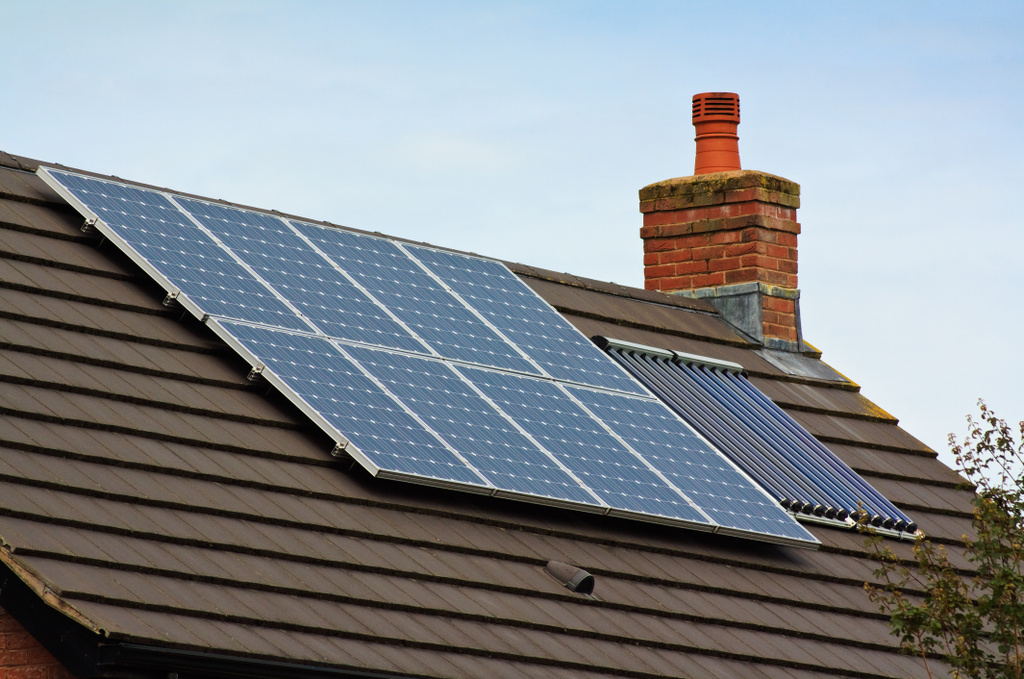
Another financial advantage of solar panel installations is protection against increasing electricity prices.
Utility rates can rise over time, making it difficult for homeowners to predict future expenses. Producing your own electricity gives you more control over your energy costs and may provide greater financial stability.
While most solar homeowners remain connected to the electrical grid, generating your own power can reduce your reliance on traditional energy sources and help create more predictable household expenses.
Net Metering and Selling Excess Energy
Many states offer net metering programs that allow homeowners with solar panels to receive credits for excess electricity sent back to the power grid.
For example, if your solar panels produce more energy than your home uses during a sunny afternoon, the extra electricity may be sent back to your utility company. In return, you may receive credits that can help reduce future electricity bills.
Net metering policies vary by state and utility provider, so homeowners should check the rules in their area before installing a solar system.
When available, net metering can increase the financial value of solar panels by allowing homeowners to make better use of the electricity their system produces.
Increased Home Value
Solar panels may also increase the value of your home. Many buyers are attracted to energy-efficient properties because they understand that lower energy costs can provide long-term savings.
Homes with solar panels may be more appealing to buyers who are looking for:
• Lower monthly utility expenses.
• Environmentally friendly features.
• Modern energy solutions.
• Reduced dependence on traditional energy sources.
A solar installation can become a valuable home improvement, similar to other upgrades that improve efficiency and comfort. However, the impact on property value can depend on factors such as your location, the housing market, ownership of the solar system, and the quality of the installation.
Lower Maintenance Costs
Solar panels are also attractive because they generally require very little maintenance once installed.
Most systems do not have moving parts, which means there are fewer components that can wear out. Routine maintenance usually involves keeping panels clean and ensuring the system is operating properly.
Many solar panels come with long warranties, providing homeowners with additional peace of mind and protection for their investment.
Environmental Benefits That Add Long-Term Value
Although the financial savings are a major reason many homeowners choose solar, there are also important environmental benefits.
Solar energy produces electricity without burning fossil fuels, which helps reduce greenhouse gas emissions and lowers your household’s carbon footprint.
For environmentally conscious homeowners, solar panels offer a way to make a positive impact while also reducing energy costs.
These environmental benefits may also appeal to future homebuyers who value sustainable living and energy-efficient homes.
Things to Consider Before Installing Solar Panels
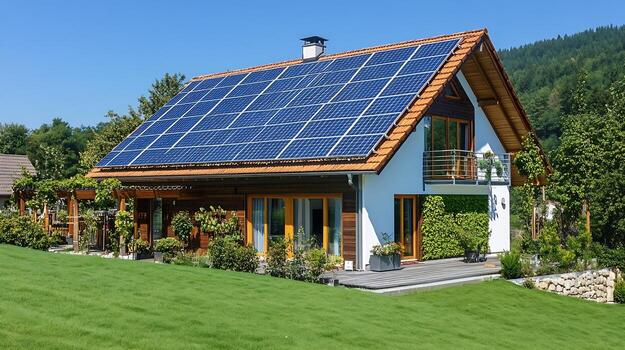
While solar panels can provide many financial benefits, they are not the right choice for every home. Before making an investment, consider:
Your Roof Condition
A roof that needs replacement soon may need to be repaired before installing solar panels. Solar panels can last for decades, so it is important that your roof is in good condition.
Your Location and Sun Exposure
Homes with plenty of sunlight typically have greater solar potential. Trees, nearby buildings, and roof direction can affect how much energy your panels produce.
Your Energy Usage
Understanding your current electricity consumption can help determine the appropriate size solar system for your home.
Financing Options
Homeowners may choose to purchase solar panels outright, finance the installation, or explore leasing options. Each choice has different financial considerations.
Is Solar Energy a Good Investment?
For many homeowners, solar panels can be a smart long-term investment. The combination of lower energy bills, possible tax incentives, increased home value, and environmental benefits makes solar energy an attractive option.
However, the financial results vary depending on your home, location, energy usage, and available programs. Taking time to compare costs, incentives, and expected savings can help you determine whether solar panels are the right choice for your household.
Final Thoughts
Installing solar panels on your home in the United States can provide a variety of financial advantages. From reducing monthly electricity bills and protecting against rising energy costs to potentially increasing your home’s value, solar energy offers benefits that extend beyond simply producing clean electricity.
While the upfront investment requires careful planning, many homeowners find that solar panels can provide long-term savings and contribute to a more sustainable future.
As technology continues to improve and renewable energy becomes more accessible, solar power remains an increasingly popular option for homeowners looking to save money while making environmentally responsible choices.