

5 Useful Tips for Revising Your Writing
4 min read
720 words
You’ve poured your heart and mind onto the page. The first draft is done. But does it shine? We’ve all been there. You have a solid idea, but the words feel a little flat. The message is there, but it isn’t grabbing the reader by the collar. The difference between good writing and great writing often lies in one crucial step: revision. Polished writing is what keeps readers scrolling, turning pages, and hanging on your every word. The good news? Transforming your draft from rough to remarkable doesn’t have to be a painful process. Here are five practical tips to help you spot errors, fix weak spots, and add that extra punch to make your work unforgettable.
1. Hunt Down the Errors
Before you can make your writing powerful, you have to make it clean. Grammatical mistakes, typos, and punctuation blunders are like smudges on a window—they distract your reader from the view.
Take the time to proofread carefully. A great trick is to read your work aloud. This forces you to slow down and often helps you catch awkward phrasing and missed errors your eyes would otherwise skim over. For an extra layer of defense, use an online tool like Grammarly or the Hemingway App. They are fantastic for catching those sneaky mistakes and can help you learn to avoid them in the future.
2. Strengthen Your Weak Spots
Every writer has a kryptonite. Maybe it’s a tendency to write winding, convoluted sentences. Perhaps you struggle with crafting compelling introductions. The key to growth is identifying those areas and giving them focused attention.
Take a step back and read your work with a critical eye. Where does your energy dip? Where might a reader get confused or bored? Once you’ve identified a weak spot, make it your mission to improve it. If openings are your challenge, study the first paragraphs of your favorite articles. If your sentences are too complex, practice writing simply and clearly. Don’t be afraid to seek help—a writing course or feedback from a mentor can provide invaluable guidance.
3. Inject Punch and Personality
Writing that merely conveys information is forgettable. Writing that connects with a reader on an emotional level is powerful. It’s time to move beyond just being correct and start being compelling.
Swap out tired words for powerful verbs and vivid descriptions. Instead of saying, “The man walked into the room,” try, “The weary detective shuffled into the dimly lit office.” See the difference? Use storytelling techniques, even in non-fiction, to create a connection with your audience. Remember, your goal isn’t just to inform; it’s to make your reader feel something.
4. Welcome Feedback with Open Arms
It can be scary to share your work, but you can’t see every flaw on your own. Constructive criticism isn’t an attack; it’s a gift that gives you a fresh perspective.
Share your writing with trusted sources—a fellow writer, a patient friend, or a writing group. Ask them specific questions: “Where were you confused?” or “Was the ending satisfying?” Listen with an open mind. You don’t have to accept every suggestion, but each piece of feedback is an opportunity to see your work through another person’s eyes and make it stronger.
5. Make Practice Your Habit
Becoming a better writer is like becoming a better athlete or musician. It requires consistent, deliberate practice. You can’t expect to improve if you only write when inspiration strikes.
Set aside time to write regularly, even if it’s just for 15 minutes a day. Keep a journal, start a blog, or work on a personal creative project. The more you write, the more you will develop your skills, build confidence, and discover your unique voice. Experiment with different styles and genres to keep learning and growing.
The Journey to Better Writing
Revising your work is where the real magic happens. It’s a process that takes time, dedication, and a willingness to learn. As the old saying goes, Rome wasn’t built in a day, and neither is a brilliant piece of writing.
By hunting for errors, strengthening your weaknesses, adding personality, embracing feedback, and practicing consistently, you will transform your writing from good to truly great. Start with one of these tips today, and watch your words begin to shine.





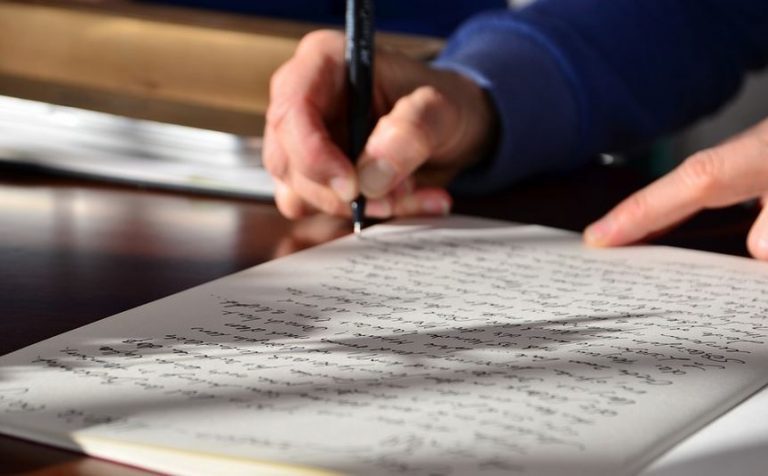

Interesting insights that writers can follow through to improve their writing.