Personal Injury Claims: What If You Cannot Remember the Accident?
11 min read
2140 words
A brain injury can take away more than a person’s physical abilities. For someone pursuing a personal injury claim, the effects can be particularly challenging when the injury affects their memory, communication, concentration, judgment and ability to explain what has happened to them. Imagine being involved in a serious motor vehicle accident, suffering a traumatic brain injury, and waking up in hospital with little or no memory of the collision. You may not remember what happened immediately before the accident, the impact itself, or even the moments leading up to your arrival at the hospital. Now imagine being told that you may need to explain what happened as part of a personal injury lawsuit. How are you supposed to describe something you genuinely cannot remember?
This is a concern that injured individuals and their families may not think about until they begin exploring their legal options. They may wonder whether a brain injury that causes significant memory loss will prevent them from pursuing a personal injury claim or receiving compensation. They may also worry about whether they will be expected to attend court, answer questions from lawyers, or testify about an accident they cannot recall. These are reasonable concerns, particularly when the injury has affected the person’s ability to communicate or understand information.
The important thing to understand is that not remembering an accident does not automatically mean you cannot pursue a personal injury claim. A person’s inability to remember what happened does not erase the accident, the injuries sustained, or the evidence that may be available to support a claim.
Can You Sue Someone If You Have No Memory of the Accident?
Yes, it may still be possible to pursue a personal injury claim even if you have no recollection of the accident. Memory loss does not automatically remove a person’s right to seek compensation. However, the circumstances of the accident, the available evidence and the applicable laws will all matter.
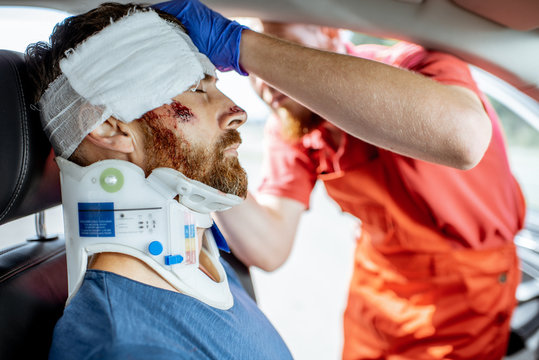
Consider someone who suffers a serious head injury in a car accident. They may have been unconscious at the scene, transported to hospital by ambulance and later diagnosed with a traumatic brain injury. When they begin recovering, they discover that there is a gap in their memory. They cannot remember getting into the vehicle, the collision, or what happened immediately afterwards.
That person should not assume they have no case simply because they cannot tell a lawyer exactly how the accident happened. Other evidence may help establish what occurred. Police reports, photographs, traffic camera footage, eyewitness accounts, statements from other drivers, ambulance records and hospital documentation may all contribute to building a clearer picture.
In some situations, there may be passengers or other witnesses who remember the events. Emergency responders may have documented the circumstances at the scene. Medical records may also establish the seriousness of the head injury and explain why the person has no recollection of the incident.
A personal injury lawyer can review the available evidence and determine how the claim may proceed when the injured person cannot provide a complete account.
Do Brain Injury Victims Have to Testify in Court?
This is one of the questions families may find particularly stressful. If someone has sustained a brain injury that affects their memory, do they still have to take the witness stand and answer questions about the accident?
The answer is that it depends on the individual’s circumstances and the legal proceedings involved. Not everyone with a brain injury will have the same ability to participate in a legal process. Some individuals retain enough memory and communication ability to give evidence, even if they cannot remember every detail. Others may have such significant cognitive impairments that giving evidence would not be appropriate or possible.
A person does not automatically have to provide a detailed account of the accident simply because they are the injured party. In certain circumstances, a court may determine that the individual is not competent to give evidence or should not be compelled to participate in an examination for discovery.
An important Ontario example is Antczak v. Avakian, 2024 ONSC 1715. The case involved a man who suffered a traumatic brain injury in a motor vehicle accident. He had no memory of the collision and experienced significant difficulties with communication, confusion, memory and judgment. After reviewing the medical evidence and the circumstances, the court concluded that he was not competent to give evidence and should not be compelled to attend an examination for discovery.
This case illustrates why it is important not to make assumptions about what every brain injury survivor can or cannot do. The court must consider the individual’s actual abilities and the evidence available. It is not simply a matter of expecting someone with a serious brain injury to remember something their injury has taken away.
It is also important to understand that having memory difficulties does not automatically mean someone cannot testify. Some people can answer questions about their lives, their treatment and their ongoing symptoms but cannot recall the accident itself. A lawyer will need to consider the person’s medical condition and the applicable legal requirements.
What If You Can Remember Your Life Before the Accident but Not the Accident Itself?
Memory loss following a brain injury does not always affect every part of a person’s life equally. Someone may remember their family, their employment, where they lived and what their daily routine looked like before the accident. Yet they may have absolutely no recollection of the collision or the period surrounding it.
Others may remember the accident but struggle to remember conversations, appointments or instructions afterward. They may find themselves asking the same questions repeatedly or forgetting information that was explained to them only moments earlier.
For family members, these changes can be difficult to watch. A spouse may suddenly find themselves taking responsibility for appointments, household finances and everyday decisions that their partner once managed independently. Adult children may notice that a parent who was previously organized and dependable now needs reminders and assistance with routine activities.
These changes deserve to be taken seriously. A person does not have to lose all their memories for a brain injury to have a significant impact on their independence and quality of life.
Medical records and professional assessments can help explain these difficulties. Depending on the circumstances, neuropsychological testing may help identify problems involving memory, attention, processing speed, communication and other cognitive functions.
Can Family Members Speak on Behalf of Someone With a Brain Injury?
Family members often become important sources of information when someone has difficulty remembering or communicating. They may have witnessed the person’s recovery firsthand and can describe changes that would otherwise be difficult to demonstrate.
For example, a wife may explain that her husband previously handled the household finances, remembered appointments and managed his work responsibilities without assistance. Since the accident, he may forget bills, become confused when following instructions and need help organizing his day.
A parent may describe how an adult child who was once independent now needs reminders to eat, take medication, attend appointments or complete everyday activities.
These observations can help establish how the person’s life has changed. However, family members do not automatically replace the injured person’s testimony or have the authority to answer every legal question on their behalf. Whether someone can provide evidence, act in a representative capacity or make legal decisions for another person depends on the circumstances and applicable law.
Where a person cannot manage aspects of litigation because of their cognitive impairment, a lawyer may need to discuss whether a litigation guardian or another appropriate legal arrangement is required.
Families should also understand that their observations are most useful when they are specific. Rather than simply saying that someone has become forgetful, describe what has changed. Explain what the person could do before the accident, what they struggle with now and what assistance they require.
What Evidence Can Help Support a Brain Injury Claim?
When an injured person cannot remember the accident or is unable to give reliable testimony, other evidence may become particularly important. A personal injury case is not necessarily dependent on one person’s recollection of what happened.
Evidence may include police accident reports, photographs, surveillance recordings, eyewitness statements, emergency medical records, hospital reports, diagnostic imaging, specialist assessments and rehabilitation records.
Medical documentation can also help establish the effects of the injury. A doctor may document memory difficulties, confusion, communication problems and other cognitive changes. Neuropsychological assessments may provide further information about how the injury affects the person’s ability to function.
Family observations can help fill in the everyday details. For example, medical records may establish that someone sustained a traumatic brain injury, while a spouse or adult child may describe how that injury has affected the person’s ability to manage household responsibilities, maintain relationships or return to work.
The purpose is to build a complete picture of the accident, the injury and its consequences. No single piece of evidence necessarily tells the entire story.
How Does Memory Loss Affect Compensation?
Memory loss can have consequences that extend far beyond forgetting an accident. For some individuals, cognitive difficulties affect their ability to return to employment, manage money, maintain relationships or live independently.
Someone who previously worked full-time may discover that they cannot concentrate long enough to complete their duties. They may struggle to remember instructions, manage deadlines or keep track of several tasks. Another person may be unable to return to the responsibilities they once handled at home and may require ongoing assistance from family members or paid caregivers.
These changes can be relevant when assessing damages in a personal injury claim. Depending on the evidence and applicable law, compensation may involve pain and suffering, lost income, reduced future earning capacity, rehabilitation expenses and the cost of necessary care or assistance.
It is important to recognize that compensation is not determined by memory loss alone. The severity of the injury, the person’s recovery, the impact on everyday life and the supporting evidence all matter.
What Should Families Do When a Loved One Cannot Explain What Happened?

When someone sustains a serious brain injury, families often have a great deal to manage. Medical appointments, rehabilitation, changes in living arrangements and the emotional impact of the injury can quickly become overwhelming.
It can be tempting to focus entirely on immediate medical needs and postpone thinking about legal matters. However, keeping records and obtaining timely legal advice can be important.
Families may find it helpful to keep copies of medical reports, hospital discharge documents, rehabilitation assessments and other relevant records. They can also maintain a diary describing changes in memory, communication, independence and everyday functioning.
If the injured person cannot remember important details, do not encourage them to guess or fill in missing information. It is better to be honest about what they remember and what they do not. Their medical difficulties should be properly documented and explained.
A lawyer experienced in brain injury and personal injury claims can discuss the available evidence, explain whether the injured person may need to participate in examinations or court proceedings, and determine whether additional legal arrangements may be necessary.
You Do Not Have to Remember Everything to Have Your Story Heard
One of the hardest parts of a brain injury can be losing the ability to explain what has happened to you. You may know that your life is different, but struggle to find the words to describe it. You may have no memory of the accident that changed your life, yet face daily reminders of the injuries it caused.
For families, watching someone they love struggle with memory and independence can be heartbreaking. They may find themselves answering questions, keeping track of appointments and explaining changes that the injured person cannot fully describe.
A brain injury should not be dismissed simply because the person cannot provide a detailed account of the accident. Their medical records, professional assessments, witness accounts and the observations of those closest to them may help establish what happened and how their life has changed.
If you or someone you love has suffered a brain injury and cannot remember the accident, do not automatically assume that a personal injury claim is out of reach. Speak with a qualified personal injury lawyer about the circumstances, the available evidence and the legal options that may apply.
Not remembering what happened does not mean the injury did not happen, and it does not mean there is no way to pursue a claim.
This article is for general informational purposes only and is not legal or medical advice. Personal injury laws and limitation periods vary across Canada. The legal examples discussed are from Ontario and may not apply in the same way elsewhere. Speak with a qualified lawyer in your province or territory about your circumstances.