Christmas Decorating: This Seasons Christmas Colour Trends
14 min read
2775 words
Every Christmas, there seems to be a new Christmas decorating trend that makes us look at our old ornaments a little differently. One year, everything is about farmhouse neutrals. Another year, traditional red and green make a big comeback. For Christmas 2026, decorating is becoming more colourful, more expressive and a little less concerned with making everything match perfectly.
This year’s colour trends include rich burgundy, chocolate brown, deep forest green, olive, powder blue, soft pink, plum and warm metallic finishes. Some combinations feel elegant and luxurious, while others bring back the playful colours and nostalgic decorations many of us remember from Christmases past. There is also a growing appreciation for natural materials, vintage-inspired ornaments and decorations that feel collected over time rather than purchased as one matching set.
The nice thing about these trends is that you do not need to replace your entire Christmas collection to enjoy them. A different ribbon, a few new ornaments or a change to your mantel decorations can give a familiar room an entirely different feeling. If you are wondering which Christmas colours are popular in 2026 and how to use them in your own home, here are the combinations worth considering this holiday season.
1. Burgundy, Forest Green and Antique Gold
If there is one colour combination that captures the richer side of Christmas decorating in 2026, it is burgundy, deep green and antique gold. This palette takes the traditional red and green Christmas combination and gives it a more sophisticated appearance. Instead of bright cherry red and shiny green, think wine-coloured ornaments, dark evergreen branches and gold decorations with a slightly aged finish.
Burgundy is particularly attractive because it adds warmth without looking overly bright. It works beautifully on a Christmas tree, especially when used through velvet ribbon, large bows, glass baubles and floral picks. Forest green provides a natural background, while antique gold brings in just enough shine to make the decorations stand out. The combination also works well beyond the tree. A burgundy table runner, gold candle holders and greenery arranged along a mantel can carry the same colours throughout your living space.
One reason this colour scheme is worth considering is that it does not require you to abandon traditional Christmas decorations. If you already own green garland, gold ornaments or red accessories, you may only need a few deeper burgundy pieces to change the overall appearance. Choose warm white lights rather than cool white ones if you want the richer colours to look especially inviting in the evening.
2. Chocolate Brown, Mocha and Baby Blue
Brown may not be the first colour you associate with Christmas, but it has become an important part of 2026 interior decorating. Chocolate brown, mocha, caramel and other warm earthy shades are being used to create rooms that feel comfortable, layered and welcoming. When these colours are brought into Christmas decorating, they offer an interesting alternative to the usual bright holiday palette.
One particularly appealing combination is chocolate brown and baby blue. The brown provides warmth and depth, while the pale blue adds a cool winter contrast. Imagine a tree decorated with mocha-coloured ornaments, dusty blue ribbon, cream accents and a few natural wooden decorations. It feels seasonal without relying on the traditional Christmas colours. You could also use brown gift wrap with blue ribbon to carry the combination into your presents.
This colour scheme is especially useful if your home already has brown furniture, wood finishes, beige walls or warm neutral accessories. Rather than making your Christmas decorations look like something separate from the rest of the room, the earthy colours help everything blend together. If baby blue feels too delicate, consider a slightly darker powder blue or dusty blue. The important thing is to balance the cool shade with enough warm brown and cream so the room still feels cosy.
3. Burgundy and Blush Pink
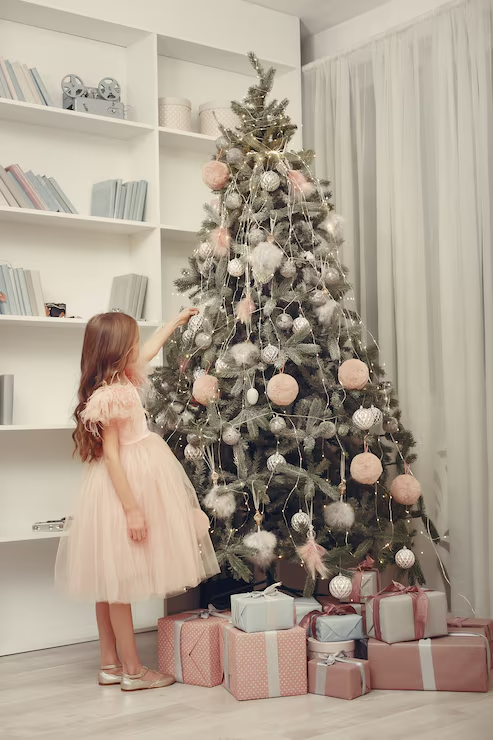
Pink continues to find its place in Christmas decorating, but this years approach is not necessarily about decorating an entire tree in pastel pink. One of the more interesting combinations is burgundy and blush pink. The deeper red adds richness, while the softer pink brings a lighter, more delicate touch. Together, they create a Christmas display that feels romantic, colourful and a little unexpected.
This combination can be used in several ways depending on how much colour you enjoy. For a subtle look, start with a traditional green tree and introduce blush pink ribbon, a few burgundy ornaments and champagne-coloured accents. If you prefer something more noticeable, use larger pink bows, burgundy baubles and decorative flowers throughout the branches. Adding gold can help connect the two shades and give the display a warmer finish.
You can also use this colour combination in rooms beyond the living room. Pink and burgundy cushions, a coordinating dining table arrangement or gift wrap in complementary shades can make the decorations feel connected. If you have children or family members who enjoy colourful Christmas decorating, this is also a fun way to introduce something different without losing the warmth associated with the season.
4. Olive Green, Deep Plum and Bronze
For anyone who enjoys a darker, more dramatic decorating style, olive green and deep plum are two colours worth exploring this Christmas. Olive is softer and earthier than traditional Christmas green, while plum introduces a rich purple tone that makes the combination feel distinctive. Add bronze or muted gold, and you have a palette that looks especially beautiful with natural greenery and warm lighting.
The key to using these colours successfully is to give each one a purpose. Olive green can provide the foundation through garland, wreaths, ribbon or tree decorations. Deep plum can be introduced through statement ornaments, velvet bows or decorative flowers. Bronze adds warmth and catches the light without making the display look too shiny. A few cream or natural wood details can also help soften the darker shades.
This palette works particularly well in a room with warm wood, darker furniture or neutral walls. It can also be used in smaller ways if you are not ready to decorate an entire Christmas tree in unusual colours. Try a plum-coloured wreath bow, olive green table linens or bronze candle holders. Sometimes a few carefully placed accents are all you need to make a room feel updated.
5. Powder Blue, Icy Blue and Silver
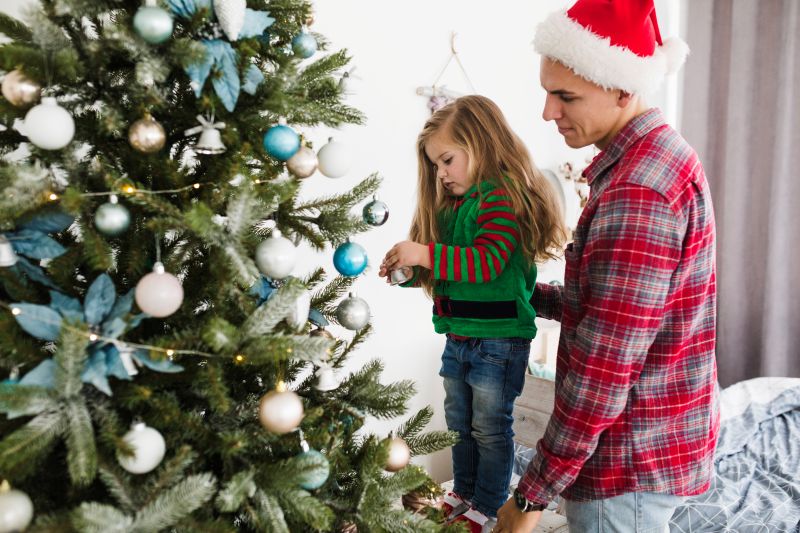
Blue is another colour making a strong appearance in Christmas decorating for 2026. Powder blue and baby blue offer a softer alternative to the deeper navy shades often used in winter decorating, while icy blue and silver create a more traditional winter wonderland feeling. These colours work particularly well with white decorations, frosted greenery and glass ornaments.
A blue and silver Christmas tree can be beautiful without looking overly formal. Mix different shades of blue rather than choosing only one. Powder blue ribbon, icy blue baubles, silver snowflakes and white ornaments will create depth and keep the tree from looking flat. Different finishes also make a difference. Matte ornaments provide a softer appearance, while glossy and reflective decorations help catch the light.
If you enjoy decorating your dining room for Christmas, blue and silver can be carried into the table setting with silver candle holders, white dishes and a blue table runner. You could also use frosted branches, clear glass vases and a few silver decorations as a centrepiece. For a slightly warmer look, introduce cream or champagne accents instead of using only bright white and silver.
6. Golden Yellow, Soft Pastels and Olive Green
Not every Christmas decorating trend is about dark, luxurious colours. There is also a playful side to this year’s palettes, with golden yellow, soft pastels and olive green bringing a cheerful look to holiday decorating. This combination feels a little nostalgic, particularly when paired with handmade ornaments, embroidered decorations, colourful ribbons and vintage-inspired pieces.
Golden yellow adds warmth and brightness, while pastel pink and powder blue soften the overall appearance. Olive green helps ground the combination so it still feels connected to Christmas. Rather than making every ornament match, you can mix different colours and shapes to create a tree that feels personal and full of character. Handmade decorations, felt ornaments, paper chains and colourful bows are particularly suited to this look.
This is a lovely option for families who enjoy decorating together and want something less formal than a perfectly coordinated tree. You could even make some of the decorations yourself. Paper garlands, painted wooden ornaments and homemade bows are inexpensive ways to introduce the colours without purchasing an entire new collection. The result can feel cheerful and welcoming, especially when you mix in decorations that have sentimental value.
7. Deep Green, Cream and Natural Wood
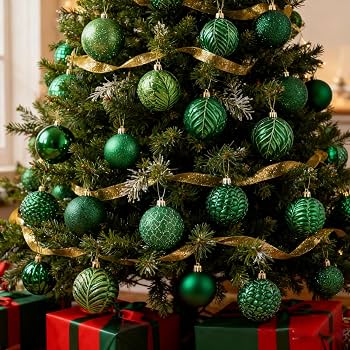
Natural Christmas decorating continues to appeal to people who want a calmer, less cluttered holiday look. This year, deep green, cream and natural wood make a particularly attractive combination. It is not about removing all colour from Christmas. Instead, the idea is to use shades inspired by evergreen branches, woodland settings and natural materials.
A tree decorated with deep green ornaments, cream ribbon, wooden stars and a few pine-conescan look beautiful without requiring dozens of different decorations. The interest comes from the textures and finishes. Combine smooth glass ornaments with woven decorations, wood, linen and soft fabrics to give the display depth. Warm white lights are a natural fit because they bring out the warmth in the wood and cream tones.
This colour scheme also works well if you prefer decorations that can remain on display throughout the winter. A simple evergreen wreath, wooden candle holders and cream accessories do not necessarily need to come down as soon as Christmas is over. If you already have natural greenery around your home, you can build on it with just a few coordinating pieces.
8. Silver, Gold and Vintage-Inspired Colours
Metallic decorations are making room for more than just a few shiny ornaments on the Christmas tree. Silver, gold and bronze are being used in different combinations to create displays that feel nostalgic, glamorous and collected. This is particularly appealing if you enjoy vintage-inspired Christmas decorating or still have older decorations tucked away in storage.
Silver tinsel, reflective baubles, mercury glass ornaments and metallic garlands can bring back the look of Christmas decorations from earlier decades. Gold and bronze add warmth, while silver creates a cooler sparkle. You do not have to choose only one metallic finish. Mixing them can work beautifully, particularly when you repeat the finishes throughout the room rather than placing them all in one area.
There is also something special about bringing older decorations back into use. Instead of purchasing a completely new collection, look through your storage boxes for ornaments that have been forgotten. An older silver decoration might look wonderful beside a newer burgundy bow or a deep green ornament. Combining old and new pieces is one way to create a Christmas display that feels personal rather than copied from a catalogue.
How to Choose the Best Christmas Colour Scheme for Your Home
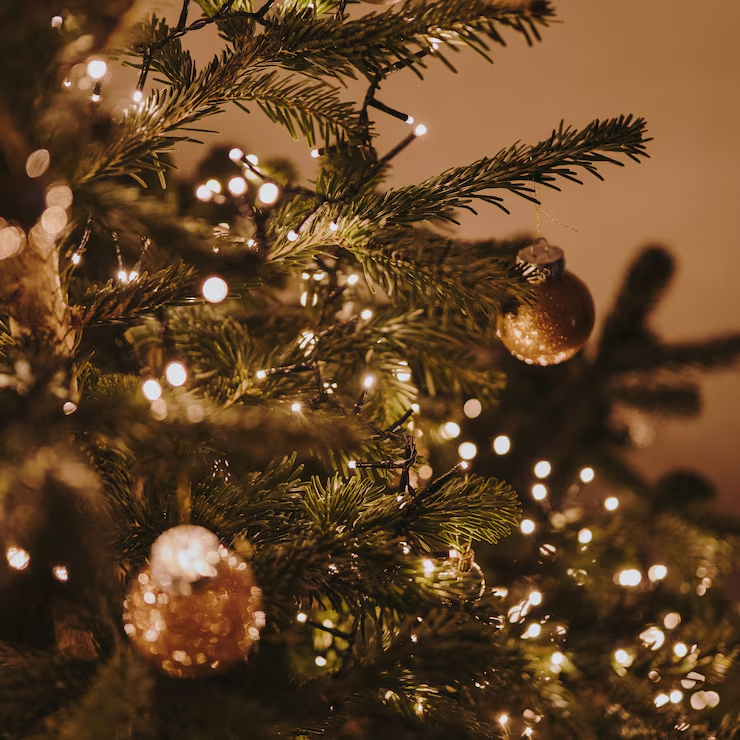
Before purchasing new Christmas decorations, take a look at the colours already in your home. Your furniture, flooring, wall colour and existing accessories can help you decide which Christmas palette will work best. For example, a room with warm wood finishes and beige furniture may suit chocolate brown, cream and gold. A room with cooler grey or blue tones may look lovely with powder blue, silver and white.
It is also worth considering how much decorating you want to do. If you enjoy a full Christmas transformation, you might choose a colour scheme and carry it through the tree, mantel, dining room and front entrance. If you prefer to keep things simple, choose one new accent colour and use it in a few noticeable places. You can achieve a refreshed look without changing every decoration you own.
A helpful approach is to choose one dominant colour, one supporting colour and one accent. If burgundy is your main colour, for example, forest green could be the supporting shade and antique gold could provide the finishing touches. This gives you enough variety to make the display interesting while keeping the overall look connected. You can still include sentimental ornaments and family decorations even if they do not match perfectly.
How to Update Your Christmas Decorations Without Spending a Lot
Following Christmas colour trends does not mean you need to spend a fortune every year. In fact, some of the easiest decorating changes are also the least expensive. Ribbon is a good example. Replacing the ribbon on your tree or adding a few large bows can make familiar ornaments look completely different. Look for a colour that works with the decorations you already own rather than buying everything at once.
Gift wrapping can also become part of your decorating scheme. If you choose wrapping paper, ribbon and gift tags in colours that complement your tree, the presents underneath it become part of the overall display. You can use brown kraft paper with burgundy ribbon, cream paper with gold accents or simple white wrapping with blue ribbon. It is a small detail, but it can make your Christmas tree area look thoughtfully put together.
Before buying anything new, open your Christmas storage boxes and sort through what you have. You may find ornaments that fit this year’s colours better than you remember. Decorations can also be used in different ways. A few extra baubles placed in a decorative bowl, a glass vase or a table arrangement can introduce a colour without requiring a new tree collection. Buying a few carefully chosen pieces each year is often more practical than completely changing your theme.
What Is the Most Popular Christmas Colour for 2026?
There is no single colour that defines Christmas 2026, but burgundy and wine red are among the strongest choices in this year’s decorating forecasts. They are appearing alongside deep greens, chocolate brown, warm neutrals and metallic accents. At the same time, softer shades such as powder blue, pink and lilac are offering a fresh alternative for people who want something less traditional.
The most noticeable change is that Christmas decorating is becoming more flexible. Rather than following one colour combination, people are mixing traditional shades with unexpected accents. Burgundy and pink, baby blue and brown, or olive green and plum are examples of combinations that bring a different personality to familiar holiday decorations.
If you are choosing a new colour scheme this year, think about the atmosphere you want to create. Do you want a warm and traditional Christmas, a glamorous tree filled with rich colours, a peaceful natural look or something playful and colourful? The answer will help you narrow down your choices.
Do Christmas Decorations Have to Match?
Not at all. In fact, one of the appealing decorating directions for 2026 is the use of meaningful, collected decorations rather than a perfectly matched display. A Christmas tree can include ornaments passed down through the family, handmade decorations from children, souvenirs from holidays and newer pieces purchased over the years. They do not all need to be the same colour or style to look beautiful together.
If you want your decorations to feel coordinated, repeat a few colours in different places. You might have burgundy ornaments on the tree, a burgundy bow on the wreath and a few similar shades in your gift wrapping. The decorations do not need to be identical. Repeating colours and textures is often enough to create a connection between rooms.
A home should feel lived in and welcoming, especially at Christmas. There is room for the latest decorating trends and the decorations that have been part of your family celebrations for years. You do not have to choose between the two.
Make Christmas Your Own
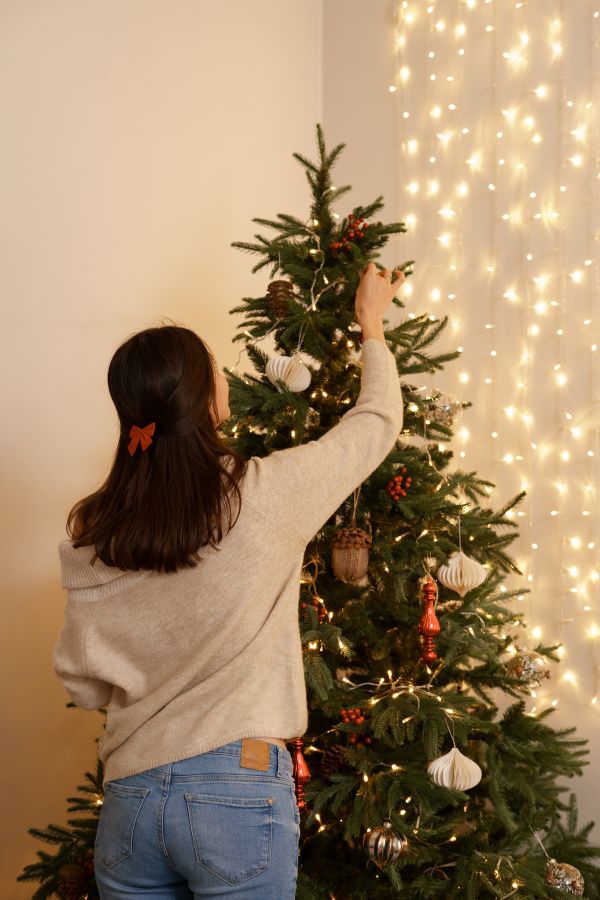
Christmas colour trends are a wonderful source of inspiration, but they should never become another holiday rule to follow. Whether you are drawn to burgundy and forest green, chocolate brown and baby blue, soft pink, natural olive or a tree filled with vintage metallic ornaments, choose the colours that make you happy.
You may decide to introduce one new shade this year, or you might look through your old decorations and discover that you already have everything you need. Either way, the goal is not to create a perfect display for photographs. It is to make your home feel welcoming and festive for the people who gather there.
Some of our favourite Christmas decorations are not necessarily the newest or most fashionable. They are the ones that bring back memories, remind us of people we love and make the holiday season feel like home. Let the 2026 colour trends give you a few fresh ideas, but leave plenty of room for the traditions that make your Christmas special.