Is It Okay to Leave Your Snow Blower Outside in the Winter?
12 min read
2377 words
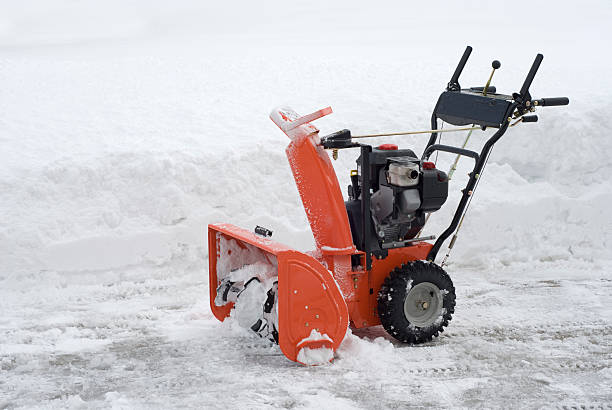
When winter arrives and the snow starts piling up, a snow blower can quickly become one of the most useful pieces of equipment around the house. Whether you use it to clear a long driveway, a walkway, or the area around your garage, you want it ready to start whenever the next snowfall arrives. But what happens when you don’t have enough room in your garage or shed to store it? Is it okay to leave your snow blower outside all winter?
The short answer is that you can leave a snow blower outside if you have no other option, but it isn’t the best way to store it. Snow blowers are designed to operate in cold weather, but that doesn’t mean every part of the machine is meant to sit outdoors exposed to snow, freezing rain, moisture, and changing temperatures for weeks at a time.
Over time, exposure to the elements can contribute to rust, corrosion, damaged electrical components, frozen controls, and problems with starting the engine. Even a relatively new snow blower can develop issues if it is left uncovered throughout the winter.
If you are wondering how to store a snow blower outside, what type of cover to use, or whether cold temperatures can damage your equipment, there are several things worth knowing before the next snowfall.
Can You Leave a Snow Blower Outside in Freezing Temperatures?
Cold temperatures alone generally aren’t the biggest concern when it comes to storing a snow blower outdoors. Most snow blowers are designed to operate in freezing weather, and their engines and components are built with winter conditions in mind.
The bigger problem is prolonged exposure to moisture and temperature changes. Snow can accumulate around the engine, control cables, chute, auger housing, and other exposed components. When temperatures rise during the day and drop again overnight, melting snow can refreeze in areas where you may not notice it.
Repeated freezing and thawing can contribute to corrosion and make certain moving parts difficult to operate. Moisture can also affect electrical connections, switches, and other sensitive components, depending on the machine’s design.
If you must store your snow blower outside, keeping it dry and protected from precipitation should be a priority. A covered location that protects it from direct snowfall and freezing rain is considerably better than leaving it exposed in the open.
What Happens If You Leave a Snow Blower Outside All Winter?
Leaving a snow blower outdoors without adequate protection can lead to several problems. Some may not become noticeable until you try to start the machine during the first major snowfall.
Rust and Corrosion
One of the biggest concerns with outdoor snow blower storage is rust. Snow blowers contain metal components that can be affected by moisture, particularly around the auger housing, scraper bar, skid shoes, fasteners, and exposed metal surfaces.
When snow melts against these areas and the moisture remains trapped, corrosion can gradually develop. Road salt and other winter debris can make the problem worse if they are left on the machine.
Rust doesn’t always cause immediate problems, but it can eventually affect the appearance and condition of components. Moving parts may become harder to operate, and badly corroded parts may need replacement.
Cleaning off accumulated snow, ice, and dirt after use can help protect the machine. It is also worth checking the manufacturer’s recommendations for rust prevention and lubrication.
Moisture Can Damage Electrical Components
Many newer snow blowers include electric starters, battery-powered starting systems, lights, safety switches, and other electrical components.
These features make operating a snow blower more convenient, particularly on especially cold mornings. However, electrical connections and batteries need appropriate protection from moisture.
Water entering electrical connections can contribute to corrosion and electrical problems. If your snow blower has a rechargeable battery, follow the manufacturer’s storage instructions. Some batteries should be removed and stored in a dry location when the machine is not being used.
Do not assume that an outdoor cover makes every electrical component waterproof. The manufacturer’s instructions should always take priority.
Snow and Ice Can Freeze Moving Parts
Have you ever gone outside after a freezing rainstorm and discovered that everything is covered in a layer of ice? Your snow blower can experience similar problems when it is left exposed.
Moisture can collect around the chute, control cables, levers, wheels, and other moving components. When temperatures fall, that moisture can freeze and interfere with normal operation.
A frozen chute or control mechanism can make it difficult to operate the machine safely. Never force a frozen lever or attempt to chip away ice with a sharp metal object. Allow the affected area to thaw safely and check the manufacturer’s instructions before operating the machine.
Fuel and Engine Starting Problems
Outdoor storage also raises questions about gasoline and engine maintenance. Gasoline can deteriorate over time, particularly when it sits in the tank for extended periods.
Old or contaminated fuel can contribute to difficult starting, rough engine operation, and carburetor problems. Cold temperatures can make an already poorly maintained engine even more frustrating to start.
If you have a gasoline-powered snow blower, follow the owner’s manual regarding fuel stabilization, storage periods, and fuel system maintenance. Some manufacturers recommend adding an appropriate fuel stabilizer, while storage recommendations can differ depending on the engine and fuel system.
Avoid leaving fuel in the machine indefinitely without following the manufacturer’s guidance.
How to Protect a Snow Blower When Storing It Outside
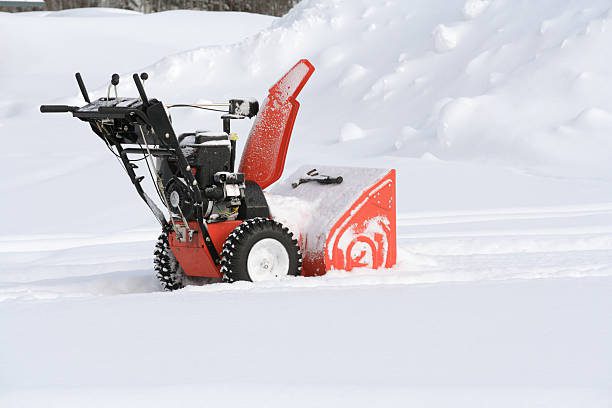
If your garage is already full or you don’t have a garden shed, you may have to find another way to protect your snow blower during the winter months. Fortunately, a few precautions can help reduce exposure to moisture and keep your equipment in better condition.
Invest in a Proper Snow Blower Cover
A properly fitted snow blower cover is one of the most useful accessories for outdoor storage. Look for a cover specifically designed for your type and model of snow blower rather than relying on a loose tarp.
A good cover should help protect the machine from snow, rain, freezing rain, dirt, and debris. It should fit securely without dragging on the ground or leaving large openings where precipitation can enter.
Breathability is also important. Trapping moisture underneath an unsuitable cover can contribute to condensation and corrosion. Choose a cover intended for outdoor equipment storage and follow its care instructions.
A regular household tarp may seem like an inexpensive solution, but it can shift in strong winds, collect water, and trap condensation. If you use one temporarily, make sure it is secured properly and does not create a pocket where water or snow can accumulate.
Choose a Sheltered Storage Location
Where you position your snow blower can make a considerable difference. If possible, store it underneath a roof overhang, in a covered carport, or in another sheltered area that protects it from direct snowfall and rain.
Try to avoid placing it directly beside a downspout, beneath a roof edge where snow slides off, or in an area where drifting snow regularly accumulates.
The ground underneath the machine matters too. A level, dry surface is preferable to wet grass, bare soil, or an area where water collects. A suitable storage platform can help keep the machine off damp ground, provided it is stable and appropriate for the equipment.
Remember to leave enough room around the snow blower to access it safely and avoid blocking walkways or emergency exits.
Remove Snow and Moisture After Each Use
It may seem like a small task, but removing accumulated snow after using your snow blower can help prevent unnecessary moisture from remaining on the machine.
Once the engine is shut off and the machine has cooled according to the manufacturer’s instructions, brush away loose snow from the exterior, including the engine housing, chute, wheels, and auger housing.
Never use your hands to clear snow or ice from the auger or discharge chute. Always shut the machine down, remove the ignition key or disconnect the spark plug wire as directed by the manufacturer, and use the supplied clean-out tool when necessary.
Allow the machine to dry as recommended before covering it. Putting a cover over a snow blower that is wet from a recent snowfall can trap moisture underneath.
Keep the Fuel System Properly Maintained
Gas-powered snow blowers require a little additional attention during winter storage. Check the owner’s manual for the recommended fuel type, fuel stabilization instructions, and maintenance schedule.
If you are storing the machine for an extended period, follow the manufacturer’s recommendations for whether to use a fuel stabilizer, drain the fuel system, or take other precautions.
Never drain gasoline indoors or near flames, sparks, heaters, or other ignition sources. Fuel should always be handled and stored in approved containers in accordance with local fire safety requirements.
Is It Better to Store a Snow Blower in a Garage or Shed?
If you have the choice, a garage or shed is generally a better place to store a snow blower than an exposed outdoor location.
An enclosed storage area helps protect the machine from direct precipitation, blowing snow, ice, and other environmental conditions. It also makes it easier to keep the equipment clean and inspect it for potential problems.
However, indoor storage does not mean maintenance can be ignored. Snow blowers should be cleaned after use, inspected periodically, and maintained according to the manufacturer’s schedule.
If you store a gasoline-powered snow blower in a garage, make sure you follow the manufacturer’s fuel storage instructions and local fire safety requirements. Keep gasoline in approved containers, away from ignition sources, and provide appropriate ventilation. Never run a snow blower inside a garage, even with the door open, because engine exhaust contains carbon monoxide.
For homeowners without a garage, a properly ventilated, secure outdoor equipment shelter may be worth considering. Even a small storage shed can provide considerably better protection than leaving a machine uncovered beside the house.
Can You Cover a Snow Blower While It Is Still Warm?
This is another question worth considering, especially when you have just finished clearing a driveway and want to put your equipment away.
It is best to allow the snow blower to cool before placing a cover over it. Engines and exhaust components can become hot during operation, and putting a cover over hot equipment may damage the cover or create a fire hazard if the material comes into contact with hot surfaces.
Check your owner’s manual for specific cooling and storage instructions. Once the machine has cooled and accumulated snow and moisture have been removed, you can put the cover on.
It is also important to make sure the snow blower is completely shut off before covering it. Never cover running equipment.
How Often Should You Check a Snow Blower Stored Outside?
If your snow blower has to remain outdoors, don’t simply cover it in November and forget about it until spring.
Check the cover periodically, particularly after heavy snowfall, strong winds, freezing rain, or a thaw. Make sure it hasn’t shifted, torn, or collected water. Remove accumulated snow from the top of the cover when it is safe to do so, and check that the storage area remains dry.
It is also a good idea to inspect exposed metal components, cables, tires, electrical connections, and the fuel system. If you notice rust, damaged wiring, leaking fuel, or other problems, address them before the next time you need to use the machine.
A few minutes of inspection can help identify minor issues before they turn into more expensive repairs.
Frequently Asked Questions About Outdoor Snow Blower Storage
Will snow ruin a snow blower?
Snow does not automatically ruin a snow blower, but prolonged exposure to moisture can contribute to rust, corrosion, frozen controls, and electrical problems. Keeping the machine covered and removing accumulated snow after use can help protect it.
Can I leave my snow blower outside without a cover?
You can, but it is not recommended. An uncovered snow blower is exposed to precipitation, wind, moisture, and temperature fluctuations. A sheltered location and a suitable outdoor equipment cover provide better protection.
Should I cover my snow blower with a tarp?
A tarp can provide temporary protection, but a properly fitted snow blower cover is generally a better choice. A tarp may shift in strong winds, collect water, or trap condensation if it does not allow appropriate ventilation.
Can freezing temperatures damage a snow blower?
Snow blowers are designed to operate in cold weather, but certain components can still be affected by moisture, freezing water, improper battery storage, and fuel problems. Follow the manufacturer’s cold-weather and storage recommendations.
Should I drain the gas from my snow blower every winter?
Not necessarily. Fuel storage recommendations vary by engine and manufacturer. Some machines require fuel stabilization, while others may have specific instructions for draining the tank and fuel system before extended storage. Always consult your owner’s manual.
Where is the best place to store a snow blower?
A dry garage or shed is generally the best option. If indoor storage isn’t possible, choose a sheltered outdoor location on a stable, dry surface and use a suitable weather-resistant cover.
Final Thoughts: Protect Your Snow Blower During the Winter
A snow blower is an important investment, particularly if you live somewhere that experiences regular winter snowfall. When the driveway is covered and you need to get out, the last thing you want is to discover that your machine won’t start because it has been sitting outside exposed to moisture and freezing conditions.
Although leaving a snow blower outdoors is possible, taking a few precautions can make a difference in how well it holds up over time. A sheltered location, a properly fitted cover, regular cleaning, and routine maintenance can help protect your equipment throughout the winter.
If you have room in your garage or shed, use it. If you don’t, don’t assume your only option is to leave your snow blower exposed to the elements. A little preparation now can help you avoid unnecessary frustration and repair costs when the next snowfall arrives.
If you haven’t prepared your machine for the colder months yet, read our guide on how to get your snowblower ready for winter. Proper preparation and maintenance can help protect your equipment and keep it running when you need it most.