
What Affects Home Insurance Rates? A Homeowner’s Guide
13 min read
2415 words
Home insurance is one of those household expenses that is easy to take for granted until the renewal notice arrives and the premium has increased. Whether you own a modest starter home, a newer property or an older house that has been in your family for years, the cost of insuring it can vary considerably. Two homes on the same street can even have different insurance premiums because insurers look at more than the property’s location and market value.
Understanding what affects home insurance rates can help you make informed decisions, compare policies and identify opportunities to manage your costs. Although insurance rules and pricing practices differ between Canada and the United States, many of the factors insurers consider are similar.
1. Where Your Home Is Located
Location is one of the most important factors in determining home insurance rates. Insurers look at the risks associated with the area where a property is situated, including the likelihood of severe weather, fire, theft and certain types of water damage.
For example, a home in an area prone to hurricanes, wildfires, tornadoes or severe storms may cost more to insure than a similar property in a location with fewer weather-related risks. In Canada, homeowners may also see differences in premiums based on exposure to flooding, windstorms, hail and other regional hazards.
The availability of local fire protection can also make a difference. Insurers may consider how close a home is to a fire station or fire hydrant, as well as the level of fire protection available in the community. A property in a remote rural area may have different insurance considerations from one located in a well-serviced urban neighbourhood.
Location is not something homeowners can easily change, but understanding the risks in their area can help them choose appropriate coverage.
2. The Age and Condition of Your Home
The age of a house can influence its insurance premium, particularly when older building systems have not been updated. Older properties may have aging plumbing, electrical wiring, heating equipment or roofing materials that insurers consider more likely to result in a claim.
This does not mean an older home is automatically expensive to insure or difficult to insure. A well-maintained older property with updated systems may be viewed differently from one that has not received necessary repairs or improvements.
Insurers may ask when major components were last replaced or updated. This can include the roof, electrical panel, plumbing, furnace and water heater. Some insurance companies may require inspections or proof of upgrades before offering certain types of coverage.
If you own an older home, keeping records of renovations, repairs and professional inspections can be helpful when obtaining quotes or renewing your policy.
3. Your Roof’s Age and Condition
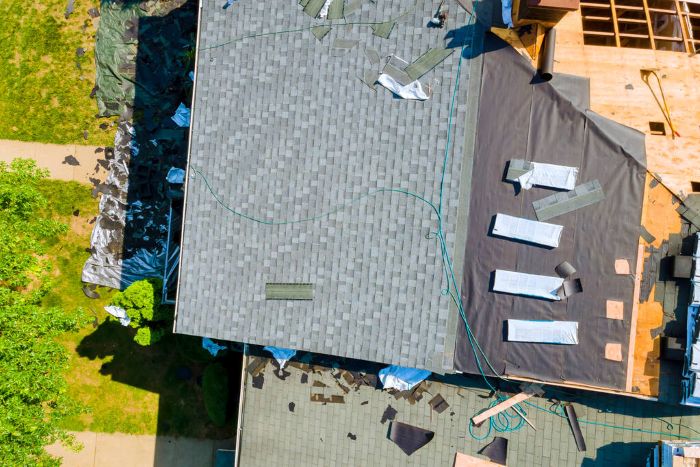
Your roof does more than protect your home from rain and snow. It also plays an important role in preventing costly water damage and protecting the structure from severe weather.
An aging or poorly maintained roof may be more vulnerable to leaks, wind damage and other problems. As a result, insurers may ask about the roof’s age, material, condition and replacement history when calculating a premium.
In some cases, an insurer may require repairs or replacement before providing coverage. Others may place restrictions on certain types of damage or offer different terms depending on the roof’s condition.
If you have recently replaced your roof, let your insurance company know. Ask whether the improvement affects your premium or eligibility for any discounts. Keep invoices and documentation showing when the work was completed and what materials were used.
4. Plumbing and Electrical Systems

Problems involving plumbing and electrical systems can lead to expensive insurance claims. A burst pipe can cause significant water damage, while faulty wiring can increase the risk of a house fire.
For this reason, insurers may consider the age and condition of a home’s plumbing and electrical systems. Older properties with outdated wiring or aging pipes may require additional information before an insurer agrees to provide coverage.
Certain electrical systems, including knob-and-tube wiring and older aluminum wiring, can raise questions during the insurance application process. Requirements vary by insurer, and some companies may require an inspection or upgrades.
Regular maintenance is important, but it is also worth keeping documentation of professional electrical and plumbing work. If you are planning renovations, ask your insurance company whether the proposed changes could affect your coverage.
5. Heating Systems, Fireplaces and Wood-Burning Stoves
The way a home is heated can affect its insurance requirements and premium. Insurers may ask whether a property uses electric heat, natural gas, oil, propane or another heating source.
Wood-burning stoves, fireplaces and other supplementary heating appliances may receive particular attention because they introduce additional fire-related risks. Some insurers require professional installation, regular chimney cleaning and inspections before providing coverage.
If you are thinking about installing a wood stove or adding a fireplace, contact your insurance company before beginning the project. Do not assume that a new heating appliance will automatically be covered under your existing policy.
The same applies to portable heaters and other fuel-burning equipment. Safe installation, proper ventilation and following manufacturer instructions are important for protecting your home.
6. Your Home’s Replacement Cost
One common misunderstanding is that home insurance should be based on the property’s current market value. In most cases, the dwelling portion of a home insurance policy is based on the estimated cost to rebuild the house, not what someone could sell it for.
Market value includes the land and reflects local real estate conditions. Replacement cost focuses on the labour, materials and other expenses needed to reconstruct the home after a covered loss.
For example, a house in a desirable neighbourhood may have a high selling price because of its location, but the cost to rebuild the structure may be considerably different. Similarly, construction costs can rise over time even when local property values do not increase at the same rate.
Insurers consider factors such as the home’s size, age, construction materials, special features and local rebuilding costs when determining the amount of coverage needed.
It is important to review your dwelling coverage periodically, especially after renovations or major increases in construction costs. Having too little insurance could leave you financially exposed if your home is severely damaged or destroyed.
7. Your Insurance Claims History
Your previous insurance claims can influence the premium you pay. Insurers may consider the number of claims you have made, the type of damage involved and, in some circumstances, the claims history associated with the property.
For example, repeated water damage claims may raise concerns about ongoing plumbing problems or other risks. A history of several claims could also affect your eligibility for certain policies.
This does not mean you should avoid making a legitimate insurance claim. Home insurance exists to provide financial protection against covered losses. However, it is worth understanding your deductible and the potential implications of making smaller claims.
If the repair cost is only slightly higher than your deductible, you may want to discuss your options with your insurance representative before deciding how to proceed. Always consider the potential damage and your financial circumstances rather than making a decision based solely on the premium.
8. Your Deductible and Coverage Choices
Your deductible is the amount you agree to pay out of pocket toward a covered claim before your insurer pays the remaining eligible amount.
Generally, choosing a higher deductible can reduce your premium because you are agreeing to take on more of the initial cost if something happens. A lower deductible usually means a higher premium.
For example, a homeowner with a $1,000 deductible would generally be responsible for the first $1,000 of an eligible claim. The insurer would then assess the remaining covered costs according to the policy.
Before increasing your deductible to save money, consider whether you could comfortably afford to pay it if an unexpected repair became necessary.
The type and amount of coverage you select also affect your premium. Additional protection for sewer backup, overland water, earthquakes or other risks may increase the cost, but these options can be important depending on where you live.
It is worth reviewing exclusions and coverage limits carefully. A cheaper policy is not necessarily a better policy if it leaves you without protection against risks that matter to your household.
9. Home Security and Safety Features
Security and safety improvements may help reduce certain risks associated with owning a home. Some insurance companies offer discounts for approved burglar alarms, monitored security systems, deadbolt locks, smoke alarms or other protective features.
However, discounts vary between insurers, and not every safety improvement qualifies for a premium reduction.
A security camera, for example, may provide useful monitoring, but it does not necessarily qualify for an insurance discount. The same applies to carbon monoxide alarms. These alarms are important for household safety, but you should not assume that installing one will lower your premium.
If you have recently installed a monitored alarm system, upgraded your locks or added other security features, ask your insurer whether the improvements qualify for a discount.
Even when a discount is not available, these improvements can provide peace of mind and help protect your property.
10. Pools, Trampolines and Other Property Features

Certain features around your property can affect insurance considerations. Swimming pools, hot tubs, trampolines, detached structures and certain recreational equipment may introduce additional liability or property risks.
For example, a swimming pool can increase the potential for accidental injuries, particularly when children or visitors have access to the property. Insurers may ask about fencing, gates, safety covers and other precautions.
A backyard trampoline may also affect your policy, depending on the insurer’s rules. Some companies have specific requirements, while others may restrict coverage or decline to insure certain risks.
If you are planning to add a pool, trampoline, large shed or other significant feature, contact your insurer before installation. It is better to understand any requirements in advance than to discover a coverage problem after an accident.
11. Your Credit Information
Credit information is another factor that may be considered by some insurers, but the rules differ between countries and jurisdictions.
In the United States, insurers in many states may use credit-based insurance scores when determining premiums, subject to state laws and restrictions. These scores are not necessarily the same as the credit score a lender uses when evaluating a mortgage application.
In Canada, the use of credit information for home insurance pricing varies by province and territory, and by insurer. Homeowners should not assume that every company uses credit information or that the same rules apply across the country.
If you are concerned about how your credit information affects your insurance quote, ask the insurer directly what information it considers and what options are available.
12. The Insurance Company You Choose
Even when two insurers are looking at the same home and similar coverage, their quotes may be different. Companies use their own underwriting guidelines, pricing methods and approaches to assessing risk.
One insurer may be more comfortable covering an older home, while another may offer more competitive rates for newer construction. Some may place greater emphasis on certain property features or claims history.
This is why comparing quotes is important. However, do not choose a policy based on price alone. Compare the coverage limits, deductibles, exclusions, optional protection and claims service before making a decision.
In Canada and the United States, homeowners may also be eligible for savings when they bundle home and auto insurance with the same provider. Ask whether a multi-policy discount is available and compare the combined cost with separate policies.
Practical Ways to Manage Your Home Insurance Costs
Although homeowners cannot control every factor that affects their premiums, there are several steps that may help manage insurance expenses.
Start by comparing quotes from more than one insurer. Make sure you are comparing similar coverage, deductibles and policy limits so that you can make a meaningful comparison.
Keep your home in good condition. Address roof leaks, plumbing problems and electrical concerns before they become more serious. Maintain records of major repairs and renovations, as these details may be useful when applying for insurance or renewing your policy.
Ask about available discounts. Security systems, approved safety improvements, newer building components and bundled policies may qualify for savings, depending on the insurer.
Review your deductible carefully. A higher deductible may reduce your premium, but only choose an amount you could realistically afford if you needed to make a claim.
Finally, review your policy every year. Your home, belongings and insurance needs can change. A renovation, new addition, expensive purchase or change in how you use your property may affect the amount of coverage you need.
Final Thoughts: Understand What You Are Paying For
Home insurance rates are influenced by a combination of factors, including where you live, the age and condition of your property, the cost to rebuild, your claims history and the coverage you choose.
While some factors are beyond your control, understanding how insurers assess risk can help you make better decisions as a homeowner. Take time to review your policy, ask questions about unfamiliar terms and compare quotes before accepting a renewal.
The goal should not simply be to find the cheapest home insurance. It should be to find coverage that offers appropriate protection for your home, belongings and financial circumstances at a price that fits your household budget.
Insurance policies, eligibility requirements and pricing practices vary by insurer and location. This article provides general information and is not a substitute for advice from a licensed insurance professional.
References and Further Reading
For additional information about home insurance, coverage options and the factors that can influence insurance premiums, consult the following resources:
- Financial Consumer Agency of Canada: Home Insurance
A Canadian government guide explaining home insurance coverage, premiums, deductibles and comparing insurance providers. - Insurance Bureau of Canada: How Home Insurance Rates Are Set
Explains how factors such as location, the age and condition of a home, heating systems, claims history and property features can affect insurance rates. - National Association of Insurance Commissioners (NAIC): A Consumer’s Guide to Home Insurance
An American consumer guide covering homeowners insurance premiums, replacement costs, deductibles, discounts and coverage considerations. - National Association of Insurance Commissioners (NAIC): Homeowners Insurance
Provides information about homeowners insurance coverage, policy limits, deductibles and protecting your property. - Consumer Financial Protection Bureau: Shop for Homeowners Insurance
Offers practical advice for comparing homeowners insurance quotes and understanding coverage costs in the United States.
These resources are provided for general informational purposes. Insurance policies, regulations and pricing practices vary by location and insurance provider.