
Preventing Impaired Driving: Christmas Parties
7 min read
1207 words
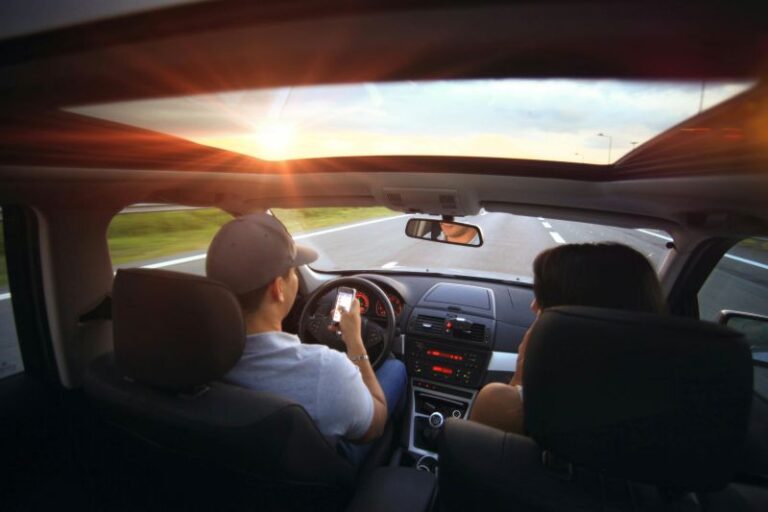
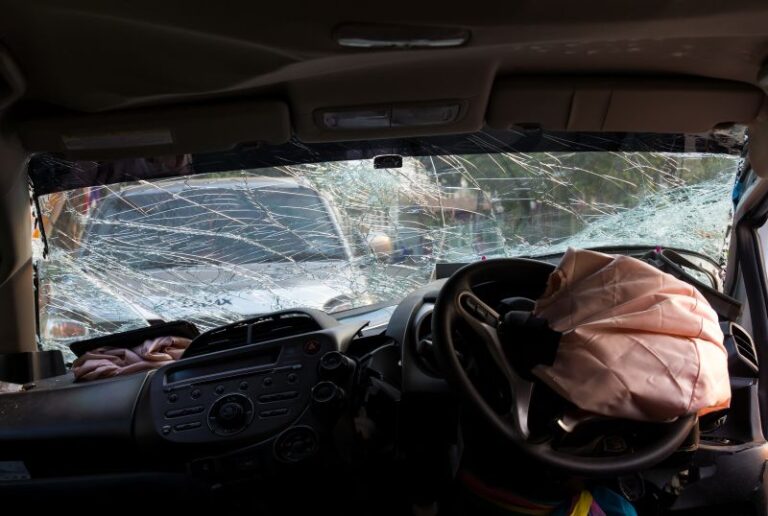
The holiday season is a time for Christmas parties, family dinners, office celebrations, and evenings spent catching up with friends. For many people, these gatherings include festive drinks and a chance to relax and enjoy the company of others. However, with more celebrations taking place throughout December, it is also an important time to think about road safety and impaired driving. A decision made at the end of an evening can have consequences that last far beyond the holiday season. Driving after consuming alcohol, cannabis, or other impairing substances puts everyone on the road at risk.
Whether you are attending a Christmas gathering or welcoming guests into your home, planning ahead can help ensure that everyone gets home safely.
For anyone interested in understanding the potential consequences of impaired driving, our previous article, Tips for Dealing With the Aftermath of a DUI Charge, explores the legal, financial, and personal challenges that can follow a DUI charge.
Plan Your Ride Before the Christmas Party
It is easy to assume you will figure out transportation when the evening is over. Perhaps you think you will only have one drink, or you believe you can decide later whether you are safe to drive.
That is not a plan worth relying on.
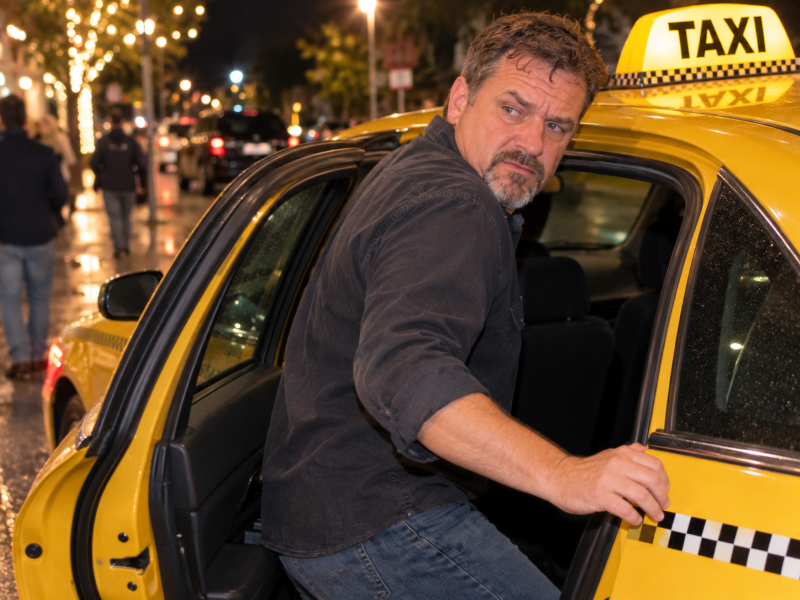
If you expect to drink, arrange your transportation before leaving home. Consider taking a taxi, using a rideshare service where available, arranging a designated driver who will remain sober, or staying overnight with family or friends.
You can also leave your vehicle at home altogether. That removes the temptation to drive after drinking and makes getting home safely one less thing to worry about.
Remember that feeling fine does not necessarily mean you are safe to drive. Alcohol can affect judgment, coordination, reaction time, and decision-making before you recognize how impaired you are.
Don’t Assume Coffee or Food Will Make You Sober
One common misconception is that drinking coffee, eating a large meal, taking a cold shower, or drinking plenty of water will help someone sober up quickly.
These measures may make someone feel more awake or comfortable, but they do not remove alcohol from the body. Only time allows the body to process alcohol.
The same applies to trying to calculate whether you are under the legal limit. Alcohol affects people differently, and there is no reliable shortcut for determining whether you are safe to drive.
If you have been drinking, do not get behind the wheel. Arrange another way home.
Christmas Party Hosts Have a Role to Play
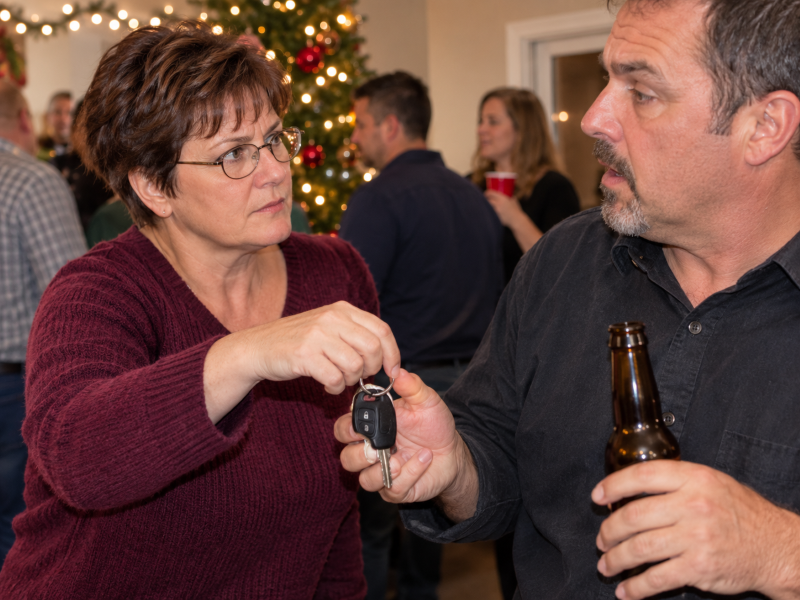
Hosting a Christmas gathering involves more than preparing food, decorating the house, and keeping everyone’s glasses filled. It also means thinking about the safety of your guests.
Before the party begins, consider how people will get home. You can include a reminder in your invitation encouraging guests to arrange a designated driver or alternative transportation.
Offer plenty of appealing alcohol-free choices alongside alcoholic beverages. Sparkling water, festive punch, flavoured drinks, and alcohol-free cocktails allow guests to participate without feeling that alcohol is expected.
If you are serving alcohol, keep track of what is being offered and avoid encouraging guests to drink more. As the host, limiting your own alcohol consumption also helps you remain alert and better able to recognize when someone may need assistance.
Most importantly, be prepared to step in if a guest appears impaired.
MADD Canada offers practical advice for both party guests and hosts, including arranging sober transportation, providing non-alcoholic beverages, monitoring alcohol service, and offering guests a safe place to stay. You can read its holiday-season impaired driving safety advice.
What If Someone Insists They Are Fine to Drive?
This can be one of the most uncomfortable situations during a holiday gathering. A friend, relative, or coworker may insist they have only had a few drinks and are perfectly capable of driving.
They may become irritated when someone questions their decision, but avoiding an uncomfortable conversation is not worth the risk.
Speak calmly and avoid turning the situation into an argument. Offer to call a taxi or arrange another safe ride. If possible, ask another trusted person to help persuade them to leave their vehicle behind.
If the person is willing, arrange for them to stay overnight. If they are visibly impaired, do not simply hand over their keys and hope for the best.
If someone insists on driving while impaired and you cannot safely prevent it, contact police. If you witness an impaired driver on the road, pull over when it is safe to do so and call 911. Do not follow or attempt to confront the vehicle yourself.
A few uncomfortable minutes are far better than the possibility of a serious collision.
Remember That Cannabis and Some Medications Can Also Impair Driving
Alcohol is not the only substance that can make driving unsafe. Cannabis and other drugs can affect reaction time, attention, coordination, and judgment.
Some prescription and over-the-counter medications can also cause drowsiness or impair your ability to drive. This is particularly important during the holidays, when people may be taking medication for colds, allergies, pain, or other health concerns.
Read medication labels and speak with a pharmacist or healthcare professional if you are unsure whether a medication affects your ability to drive. Never assume that a substance is safe simply because it is legal or prescribed.
Combining alcohol with cannabis or certain medications can increase impairment and make driving even more dangerous.
The RCMP’s impaired driving safety information explains the risks associated with alcohol, cannabis, and certain medications, and encourages Canadians to plan a safe ride home.
Don’t Let Holiday Pressure Influence Your Decision
Sometimes the pressure to drive comes from circumstances rather than a lack of planning. You may feel uncomfortable asking someone for a ride, worry about leaving your vehicle overnight, or think you are inconveniencing family members by asking for help.
You may also hear comments such as, “It’s only a short drive,” or “You’ve had less than everyone else.”
These are not reasons to take a chance.
A short trip can still result in a serious collision. Winter conditions, reduced visibility, snow, ice, and busy roads can make December driving challenging even for sober drivers.
If you have consumed alcohol or another impairing substance, leave the driving to someone who is sober.
Make Safe Transportation Part of Your Holiday Plans
Christmas should be a time for making memories, enjoying family traditions, and reconnecting with the people who matter. No celebration is worth risking someone’s life.
Before attending a gathering, decide how you will get home. If you are hosting, think about your guests’ transportation needs and be willing to intervene if someone should not be driving.
If you know someone who has struggled with impaired driving in the past, encourage them to make a plan before attending holiday events. A previous DUI charge or conviction can be a reminder of how important it is to make different choices.
The holidays are meant to bring people together, not leave families dealing with the consequences of a preventable tragedy. A little planning, a willingness to speak up, and a commitment to never drive impaired can help make this Christmas safer for everyone.
Enjoy the celebrations, look out for one another, and make getting home safely part of the plan.