Wood Finishes for Any Room in Your Home
10 min read
1978 words
Wood finishes can transform the look of a room while helping protect the surfaces we use every day. From the warm grain of an oak dining table to a freshly refinished bedroom dresser, the right finish can bring out the natural beauty of wood and help it stand up to everyday wear.
When choosing wood finishes for your home, appearance is only part of the decision. A product that works well on a decorative shelf might not be suitable for a kitchen countertop or a busy hallway floor. Moisture, scratches, cleaning products and regular handling all affect how a finish performs.
Whether you are decorating a new home, updating tired furniture or refreshing wooden floors, understanding the different finishes available can help you make a more informed choice.
Why Wood Finishes Matter
Wood is a versatile material that complements traditional, rustic, farmhouse and contemporary interiors. However, unfinished wood can absorb moisture, collect dirt and become stained or damaged more easily.
A suitable finish helps protect the surface while enhancing, changing or concealing the natural grain. Some products create a natural, low-sheen appearance, while others provide a smooth, glossy coating that is easier to clean. Before choosing a finish, consider where the wood will be used, how much wear it will receive and how much maintenance you are willing to do. These factors can be just as important as the final colour.
Living Rooms: Warm and Welcoming Wood Finishes
Living rooms are ideal places to showcase wood. Hardwood floors, coffee tables, bookshelves, cabinets and decorative furniture can all benefit from a finish that complements the room’s style.
Oil finishes can enhance the grain and create a natural appearance, although their durability and maintenance requirements vary by product. Water-based polyurethane is another option for suitable furniture and floors. It generally dries relatively quickly and tends to have less odour than many solvent-based alternatives.
For a relaxed, understated look, consider a matte or satin finish. Darker wood tones can add richness, while lighter finishes can help a room feel brighter and more open. Remember that flooring needs a coating designed specifically for floors. A product intended for decorative furniture may not withstand the same level of foot traffic.
Kitchens: Durable Finishes for Everyday Use
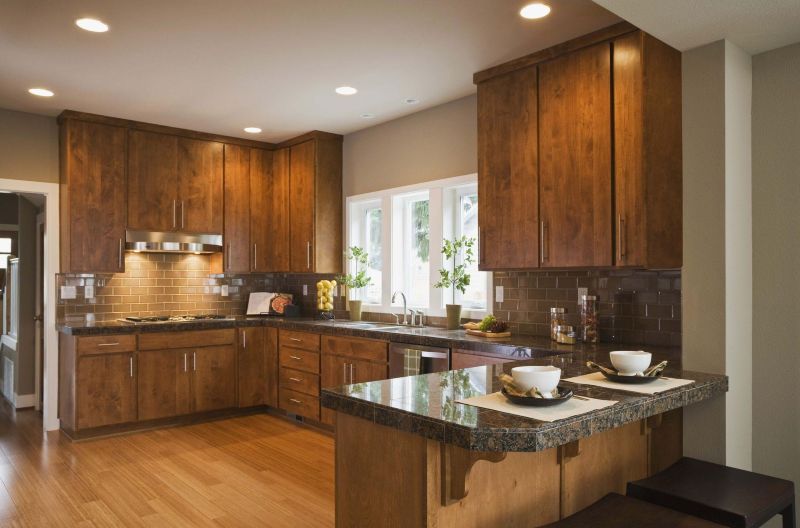
Kitchens experience spills, grease, frequent cleaning and changes in humidity. Wooden cabinets, shelves, tables and countertops therefore need finishes appropriate for their intended use.
For cabinets, choose a durable coating designed for kitchen cabinetry or interior furniture. Proper preparation is essential because grease, wax and poorly adhering old finishes can prevent a new coating from bonding properly.
Wooden countertops require additional consideration. If the surface will come into direct contact with food, choose a finish specifically approved for that use and follow its application and curing instructions. Not every wood oil or clear coating is suitable for food-contact surfaces. Use cutting boards rather than cutting directly on a finished countertop, and protect the wood from hot cookware and standing water. Even durable finishes can be damaged by knives, excessive heat or prolonged moisture exposure.
Bathrooms: Protect Wood From Moisture
Wood can add warmth to a bathroom, especially when used for vanities, shelving and decorative accents. However, bathrooms present particular challenges because humidity and splashes can damage unprotected surfaces.
Choose a finish suitable for the intended application and humid interior conditions. Pay attention to edges, joints and end grain, where moisture can penetrate more easily. Ventilation is equally important. Use an effective exhaust fan, wipe up standing water promptly and inspect the finish regularly for cracking, peeling or worn areas.
No finish makes every wooden surface completely waterproof under all conditions. Keeping wood away from persistent standing water and maintaining the coating can help extend its useful life.
Bedrooms: Natural Finishes for a Relaxing Space
Bedrooms generally experience less moisture and heavy cleaning than kitchens and bathrooms, making them suitable for a variety of wood finishes.
A clear oil or low-sheen coating can highlight the grain of a wooden bed frame, dresser or bedside table. If you prefer a different colour, wood stain can change the appearance while allowing the grain to remain visible. It is important to understand that stain and finish serve different purposes. Stain changes the colour of the wood, while a protective finish helps guard the surface against wear and marks. Some products combine both functions, so check the label.
Paint is another option for bedroom furniture. A fresh coat can update an older dresser, coordinate mismatched pieces or give a bedside table a more contemporary appearance. When working indoors, choose products labelled for interior use, follow ventilation precautions and allow the finish to cure fully before returning furniture to regular use.
Dining Rooms: Finishes for Tables and Chairs
Dining tables face regular contact with dishes, drinks, cutlery and cleaning products. Chairs also experience frequent handling and friction, making durability an important consideration.
A durable clear coating formulated for furniture can help protect a wooden dining table from everyday wear. Polyurethane is one option, provided the product is suitable for the particular surface and intended use. Use coasters and trivets rather than placing hot dishes directly on the table, wipe up spills promptly and follow the manufacturer’s recommendations for cleaning.
If you are restoring an older dining table, test the proposed finish in an inconspicuous area. Wax, polish and existing coatings can interfere with adhesion, and valuable antiques may require specialist care.
Hallways and Entryways: Finishes for High-Traffic Areas
Hallways and entryways often experience more wear than other rooms. Wooden floors, benches, shoe storage and console tables may be exposed to grit, damp footwear, scratches and repeated contact.
For floors, select a coating specifically designed for high-traffic flooring. Entrance mats can help limit the grit that scratches the surface, while regular cleaning helps prevent dirt from building up. For furniture, a durable clear coating or quality furniture paint can help maintain the appearance of frequently used pieces. Inspect high-use areas periodically and address small scratches and worn patches before more extensive damage develops.
Home Offices: Practical Finishes for Desks and Shelves
Home office furniture needs to withstand computers, paperwork, coffee mugs and daily use. A desk finish should offer suitable protection while leaving the surface comfortable to work on.
A clear furniture coating can help resist common marks and spills. If you prefer a more natural appearance, look for an oil or hardwax-oil product designed for desks and other furniture. Allow the finish to dry and cure according to the manufacturer’s instructions before placing equipment on the surface, and ensure the workspace is properly ventilated during application.
Bookshelves and decorative storage may not require the same level of protection as a heavily used desk, so choose a product according to how the furniture will be handled.
Choosing Wood Finishes for Furniture
Wood furniture can last for many years when it is properly cared for. The right finish helps protect the surface while enhancing the character of the wood. Whether you are updating a second-hand dresser, refinishing a dining table or protecting a new coffee table, consider the type of wood, its existing condition and how often the piece will be used.
Clear finishes preserve the appearance of wood while adding protection. Polyurethane can be suitable for frequently used furniture such as dining tables and desks. Oil and hardwax-oil finishes can create a more natural-looking surface, although protection and maintenance requirements vary.
Wood stains change the colour of furniture without completely hiding the grain. They can help coordinate different wooden pieces or give an older item a fresh appearance. Stain alone may not provide adequate protection, so check whether a compatible topcoat is needed.
Paint can transform an older dresser, bedside table, bookcase or wooden chair. Before painting, clean the surface, prepare it according to the product instructions and use a suitable primer if required. Good preparation helps the paint adhere and improves the finished appearance.
Before refinishing older furniture, check for wax buildup, damaged veneer and loose or peeling coatings. Avoid aggressive sanding on valuable antiques or furniture with an unknown old finish. Some older coatings may contain hazardous substances, so seek professional advice if you are unsure. Testing your chosen product on a hidden area can help you assess the colour and compatibility before treating the entire piece.
Understanding the Different Types of Wood Finishes
Oil finishes often enhance the natural grain and produce a low-sheen appearance. Depending on the product, they may require periodic reapplication and may provide less protection against spills than film-forming coatings. They can be suitable for furniture when the product is designed for that application and the owner is comfortable with its maintenance requirements.
Polyurethane is a clear protective coating commonly used on furniture and floors. Water-based and oil-based versions differ in appearance, odour, drying time and application requirements. Choosing the right formulation depends on the surface and the result you want.
Varnish forms a protective film and comes in different formulations for interior and exterior use. Always choose one intended for the location and surface. Lacquer is often used on furniture to create a smooth finish, but application may require specialist equipment, appropriate ventilation and careful handling.
Wood stain changes the colour of wood but generally needs a compatible protective finish unless it is part of a combined product. Paint covers the natural grain and offers a wide range of colours, making it useful when you want to change the appearance of furniture or trim. Hardwax oil combines oil and wax components to create a finish that highlights the grain while providing surface protection. Its suitability and repair methods depend on the specific product.
No single finish is best for every project. Read the manufacturer’s instructions for surface preparation, compatibility, application, drying time and cleanup before beginning work.
Tips for Getting the Best Results
Good preparation is essential, regardless of which wood finish you choose. Start by cleaning the surface and removing grease, wax or loose coatings. Prepare the wood according to the product instructions, then remove dust before applying the finish.
Test the product on a hidden area or spare piece of the same wood. Different wood species absorb stain differently, and the final colour may look quite different from the sample on the container. Applying a small test patch can help prevent disappointment when the entire surface is finished.
Apply thin, even coats when recommended and allow the required drying time between applications. Do not rush the process by applying another coat before the previous one is ready. Follow the label’s ventilation and protective-equipment instructions, particularly when using solvent-based products.
Safety also matters when working with finishing oils. Rags soaked with certain drying oils can spontaneously combust, so handle and dispose of them exactly as the manufacturer directs. Finally, remember that dry to the touch does not always mean fully cured. Wait the recommended period before exposing the surface to water, heavy objects or frequent cleaning.
Choosing the Right Wood Finish for Your Home
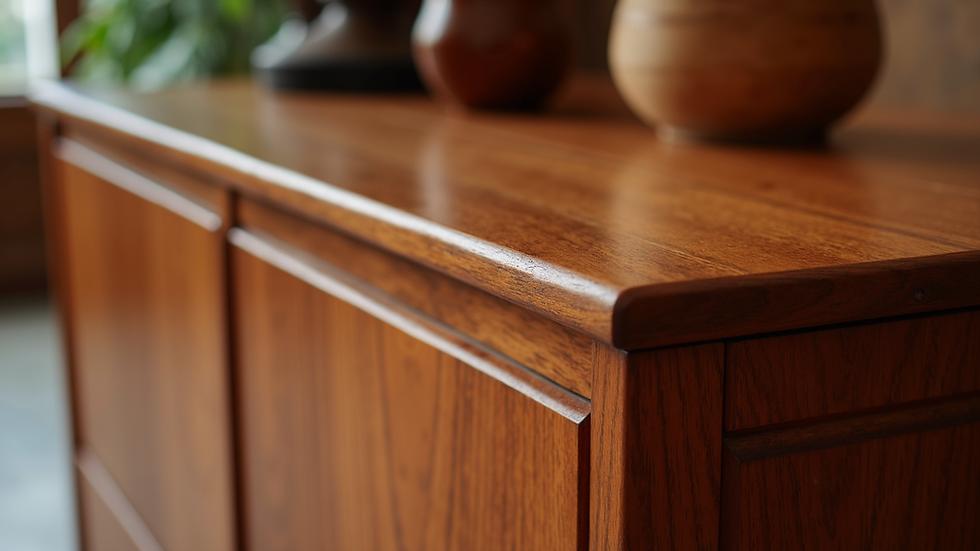
The best wood finishes depend on where the wood is located, how often it will be used and the look you want to achieve. A natural oil may suit a bedroom dresser, while a more durable coating may be appropriate for a busy dining table, kitchen cabinet or high-traffic floor.
Taking time to select the right product, prepare the surface and follow the instructions can help protect your investment and keep wood looking its best.
Wood finishes are about more than appearance. They can make furniture, floors and other wooden surfaces easier to maintain and help them last longer. With the right finish and proper care, wood can remain a beautiful and practical part of your home for years to come.
Disclaimer: Always follow the product label and technical instructions before applying a wood finish. For valuable antiques, damaged furniture, large refinishing projects or uncertain existing coatings, consider consulting a qualified professional.