Why Contractors Buy Security Screws in Bulk Instead of Retail
4 min read
742 words
Job sites value consistency, speed, and planning, so contractors seldom purchase security screws in single-packs. Tamper-resistant fasteners are used on public fixtures, access panels, equipment guards, restroom partitions, signage, and enclosures where unauthorized removal creates cost or risk.
Buying in larger quantities helps crews match specifications across repeat installations, avoid supply gaps, and control unit cost while keeping the right drive bits available for planned service later.
Retail packs can work for repairs, but larger projects demand predictable inventory. A contractor may need the same head style, material, length, and tamper-resistant drive across dozens of panels or fixtures. Ordering bulk security screws helps keep those details aligned across phases, so crews spend less time sorting mixed hardware and more time completing installations.
Consistent Specs
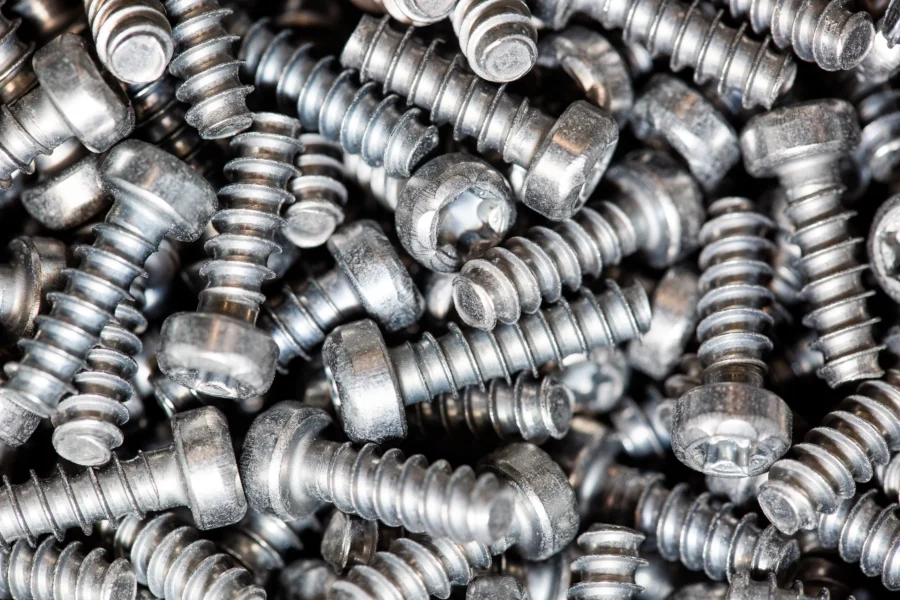
When compared to standard screws used for wood or sheet metal, security screws are far more specialized. The drive style, thread type, length, diameter, head profile, and material all affect installation. A six-lobe with a pin screw will not use the same bit as a spanner or three-wing drive. A machine screw also serves a different purpose than a self-drilling screw.
Bulk purchasing reduces variation. When all crews receive the same approved fastener, each access panel, bracket, enclosure, or partition has a consistent finish and service method. That matters for schools, transit stops, parks, hospitals, and industrial sites where maintenance staff need clear standards after the contractor leaves.
Lower Unit Cost
Retail packages carry convenience costs. They often include small counts, extra packaging, and limited size options. Contractors think in job quantities, not household repair quantities. A project with 120 signs, four screws per sign, and extra stock for loss already needs more than 500 pieces.
Buying larger counts usually lowers the cost per screw. It also cuts unplanned supply runs, which can cost more than the fasteners themselves. Every trip away from the site adds labor time, fuel, schedule risk, and supervision gaps. Bulk orders turn that risk into planned stock.
Tamper Resistance Control
Security screws deter casual removal by requiring a matching bit. That advantage weakens when a job mixes drive styles without a reason. Crews may lose track of which bit matches which area. Maintenance teams may later damage heads by using the wrong driver.
Bulk ordering supports one chosen drive style across a defined scope. For example, a contractor may use a hex with a pin for exterior enclosures and a six-lobe with a pin for equipment guards. Clear standards help authorized teams remove parts for service while keeping public access restricted.
Material Planning
Many security screws are used in wet, outdoor, or wash-down areas. Stainless steel is common because it resists corrosion and keeps exposed hardware looking clean. Still, performance depends on matching the screw to the environment, substrate, and load.
Large orders make submittals and approvals easier. Estimators can list one fastener family for a use case, purchasers can order from that list, and installers can follow the same schedule. This reduces substitutions that might create corrosion issues, weak holding power, or mismatched appearances.
Faster Installation and Service
Contractors also buy in bulk because crews move faster with repeatable hardware. Installers can stage bins by area, load drivers with the correct bits, and avoid opening many small packs. Small savings per fixture become meaningful across hundreds of repeated connections.
The service benefit continues after closeout. Spare screws from the same order can be turned over to the owner or stored by the maintenance team. Future repairs then match the original installation, which keeps panels secure and avoids a patchwork of different heads.
Less Waste and Cleaner Inventory
Retail packs often leave crews with partial boxes that do not match the next job. Bulk buying, paired with accurate takeoffs, creates cleaner inventory. Contractors can allocate screws by building, floor, room type, or work order before installation begins.
This approach also supports accountability. If a crew receives 1,000 screws for 240 fixtures, supervisors can estimate expected overage and spot waste quickly. Clear counts help prevent shortages, missed fixtures, and last-minute substitutions that reduce quality.
Conclusion
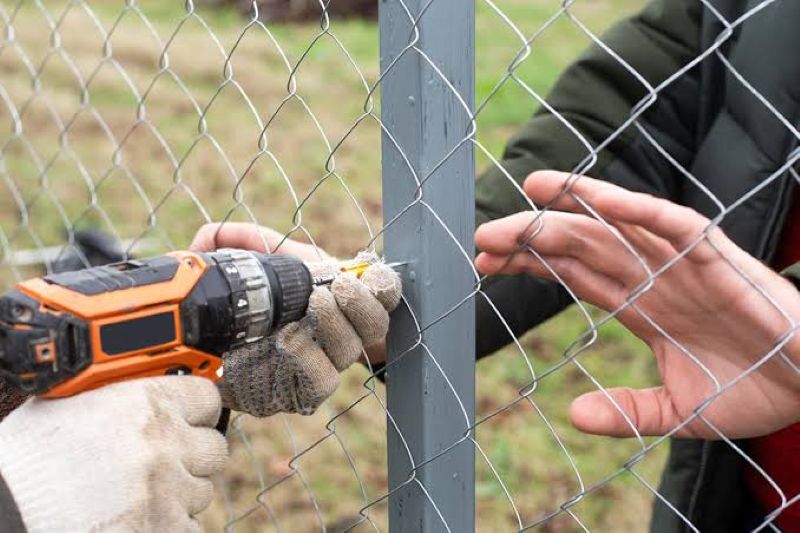
Contractors buy security screws in bulk because the choice supports cost control, job speed, consistent specifications, and long-term service. Retail packs solve small repairs, but full projects need matching drives, dependable materials, and enough stock for every phase.
Larger orders also reduce trips, limit waste, and help maintenance teams keep secure areas intact. For public, commercial, and industrial work, bulk purchasing is usually the practical way to manage tamper-resistant fastening properly over time.