Signs Your Hot Water Tank May Need Replacing
6 min read
1197 words
Most of us don’t give much thought to the hot water tank sitting in the basement until something goes wrong. You turn on the shower, expect hot water, and suddenly you’re standing under a stream that’s barely warm.
A water heater can work quietly for years, but it doesn’t last forever. As the tank gets older, problems can start showing up before it stops working completely. Knowing what to watch for can give you time to arrange a replacement instead of dealing with a cold shower, water damage, or an emergency service call.
Here are some signs that your hot water tank may be nearing the end of its useful life.
Your hot water isn’t lasting as long
One of the first things you may notice is a change in how long the hot water lasts.
Perhaps everyone used to be able to shower without a problem, but now the water turns lukewarm much sooner. You may also notice that the water never seems to get quite as hot as it once did.
Older tanks can accumulate sediment at the bottom, reducing the amount of space available for usable hot water. ENERGY STAR lists a reduction in available hot water as one of the signs that an older water heater may be approaching failure.
A sudden change doesn’t necessarily mean the entire tank needs replacing. A qualified technician can determine whether the problem is with the tank itself or another component.
You notice water around the tank
A puddle or damp area near the water heater shouldn’t be ignored.
There can be several reasons for water around a tank, including a connection that needs attention or a problem with a valve. However, a leak from the tank itself can indicate that the interior has deteriorated.
ENERGY STAR identifies leaking water, including leaks around joints, seals or seams, as a warning sign of a water heater problem.
Don’t assume a small puddle will stay small. A water heater holds a considerable amount of water, so a failure can create a much bigger mess.
If you find an active leak, particularly one that is getting worse, contact a qualified professional rather than attempting a repair yourself.
There is rust or corrosion
Take a look at the tank and the connections around it from time to time.
Rust or visible corrosion around the water lines, fittings or tank can be a warning that components are deteriorating. Rust-coloured water coming from your hot water taps can also be a sign of corrosion inside the system.
A little surface corrosion on a fitting isn’t necessarily the same thing as a failing tank. That’s why it’s worth having a professional identify where the corrosion is coming from before deciding what needs to be done.
The tank is making strange noises
A water heater shouldn’t suddenly start sounding like it’s working much harder than it used to.
Rumbling, popping or unusual vibrating noises can occur when sediment collects inside the tank. As the water heats, the sediment can cause bubbling or other noises. ENERGY STAR identifies unusual rumbling and vibrations as potential warning signs.
If your tank has become noticeably noisier over time, it’s worth having it checked, particularly if it’s an older unit.
The water is rusty
If the hot water coming from your taps has a rusty or unusual colour, pay attention to whether the problem is limited to the hot water.
Rust in hot water can be associated with corrosion inside an aging water heater.
However, discoloured water can have other causes, including plumbing issues. If you’re seeing a persistent change, a plumber can help determine where the problem originates.
Your tank is getting old
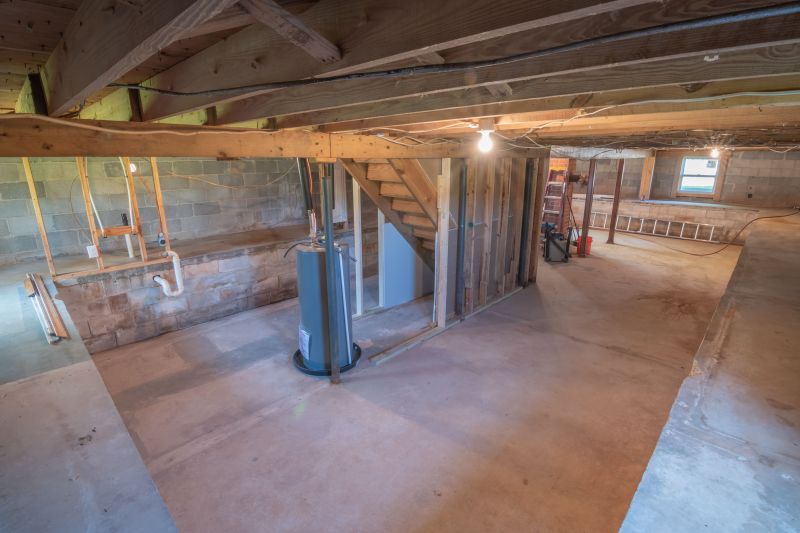
Age doesn’t automatically mean a water heater needs to be replaced tomorrow.
However, it is an important part of the picture.
ENERGY STAR recommends considering replacement when a water heater is more than 10 years old, particularly rather than waiting for an unexpected failure.
If you don’t know how old your tank is, look for the manufacturer’s label and serial number. The serial number can often be used to determine when the unit was manufactured.
An older tank that’s still working perfectly isn’t necessarily an emergency. But knowing its age can help you plan ahead.
You’ve already had several repairs
One repair doesn’t necessarily mean it’s time for a new tank.
The bigger question is whether problems are becoming more frequent.
If you’ve already paid for several repairs and another problem appears, compare the cost of continuing to repair an aging unit with the cost of replacing it. A professional can help you decide whether repairing the existing equipment still makes sense.
The tank is struggling to keep up
A household’s hot water needs can change.
Maybe there are more people living in the home than when the tank was installed. Perhaps you’ve added a large bathtub, started using more hot water, or simply find that the existing supply isn’t enough anymore.
In that situation, the tank may not necessarily be failing. It may simply no longer be the right size for the household.
If you’re replacing it, ask about the appropriate capacity rather than automatically buying the same size as the old one.
Don’t wait for a complete failure
The most inconvenient time to discover that your water heater has reached the end of its life is when you’re standing in a flooded basement or suddenly have no hot water.
If your tank is older and you’re noticing several warning signs, getting an assessment before it fails can give you more choices. You can compare replacement options, get estimates and choose a convenient time for the work.
For Ontario homeowners, there is also an important safety consideration when dealing with fuel-burning water heaters. TSSA says that only TSSA-registered contractors and certified fuel technicians are legally permitted to install, service or maintain fuel-burning appliances such as water heaters in Ontario.
What should you do if you see these signs?
You don’t necessarily need to replace your hot water tank because of one strange noise or a little condensation.
Instead, look at the whole picture.
Consider the age of the unit, how well it’s heating water, whether there is corrosion or leaking, and whether you’ve been dealing with repeated problems. If you’re unsure, have a qualified professional inspect it.
A little planning can go a long way. Replacing an aging water heater on your own schedule is very different from dealing with an unexpected failure when the basement is full of water and the household has no hot water.
A few minutes of checking can save you a headache later
Your hot water tank is easy to forget because it’s usually working quietly in the background. Take a quick look at it occasionally, especially if you know it’s getting older.
Look for moisture, corrosion, unusual sounds and changes in the hot water supply.
Those small clues may give you enough warning to deal with a problem before it becomes a much bigger one.
This article is for general information only. Water heaters involve plumbing, electrical and, in some cases, fuel-burning equipment. If you notice a leak, safety concern or significant change in performance, contact an appropriately qualified professional.