A Beginner’s Guide to Blockchain Platforms and Digital Investing
7 min read
1242 words
Blockchain technology has moved well beyond its early reputation as a niche subject for computer scientists. Today, millions of people around the world are discovering digital assets, decentralised networks, and new ways to participate in financial markets. For beginners, the wide range of terms and tools can feel overwhelming at first.
Learning how blockchain platforms work is a practical first step. These networks record transactions across many computers at once, making the data transparent and generally difficult to alter. That basic structure is what makes them useful for digital investing, where understanding how transactions are recorded can help people make more informed decisions.
Digital investing through blockchain-based systems covers a wide range of activity, from buying and holding tokens to tracking liquidity pools and monitoring on-chain data. Each of these areas has its own rules and risks, and learning them step by step makes the bigger picture easier to grasp. This guide breaks down the core concepts in simple terms, so anyone new to the space can build a solid foundation before making any financial decisions.
How Blockchain Platforms Work
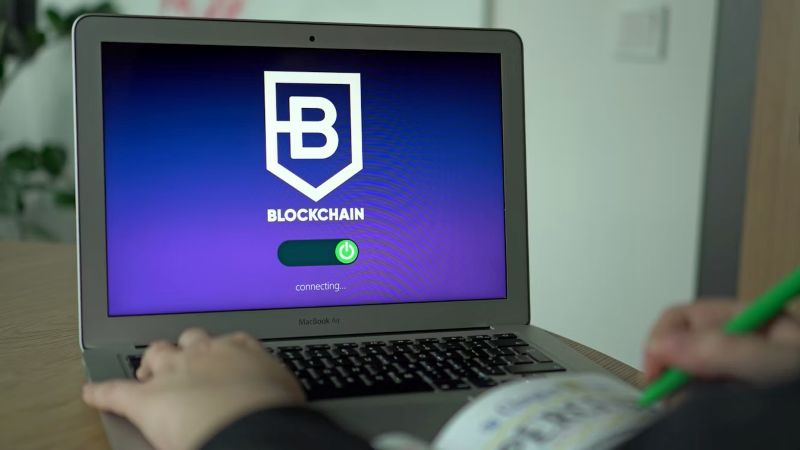
A blockchain acts as a shared record book. Instead of one company holding all the data, many computers around the world each keep a copy. When a transaction happens, the network verifies and records it according to its rules. This makes the record difficult to change or manipulate after it has been confirmed.
Investors quickly encounter several different networks. Ethereum is commonly used for decentralised apps and tokens. Solana is known for processing transactions quickly and is designed to support lower-cost transactions. Base, Arbitrum, and Polygon are built to work with the Ethereum ecosystem and are designed to handle additional transaction activity. Each network has its own technology and characteristics, which means people using more than one network may encounter cross-chain tools and services.
Moving assets between blockchains can mean switching between several tools. Platforms like Blockchain.ai aim to simplify this process by providing unified data and analytics on Ethereum, Solana, Base, Arbitrum, Polygon, and BSC. Having information available in one place can make it easier for users to compare on-chain activity without relying on multiple dashboards.
What Digital Investing Actually Involves
The difference between a DEX and a centralised exchange
A decentralised exchange (DEX) enables trading directly from a personal wallet using smart contracts. Depending on how the DEX is designed, users generally retain custody of their assets rather than depositing them with a centralised exchange. In contrast, a centralised exchange typically retains custody of digital assets for account holders and manages trades within its own systems.
Using a DEX can give investors greater control over their assets while providing access to open on-chain records. Centralised platforms may deliver higher liquidity and simpler interfaces. They also carry different risks, including risks associated with custody, downtime, security breaches, and platform policies. Good practice means checking withdrawal policies, fees, security measures, and the reputation of any exchange before transferring capital.
Buying and holding a token is one of the more straightforward ways to participate in digital investing. An investor purchases a token, stores it in a wallet, and monitors its value. This approach is one way beginners may first encounter digital assets. Trading on a DEX is a step further. A DEX lets traders swap tokens straight from a wallet, generally without a traditional intermediary managing the transaction. DEX data shows what trades occur, at what prices, and in what volumes, all recorded on-chain.
Centralised exchanges handle things differently. They hold funds on behalf of account holders and match buyers with sellers through their own systems. On-chain signals, such as large wallet movements or sudden trading volume changes, can provide additional information about what is happening in the market, although they should not be treated as reliable predictions of future price movements.
Reading the Data Before Trading
What on-chain data actually tells investors
On-chain data shows what is happening directly on the blockchain. This includes wallet movements, trade volumes, token transfers, and liquidity changes. It provides a transparent view of certain types of market activity that can be reviewed without relying entirely on third parties. Those figures can help investors explore trends, unusual activity, or sudden market shifts.
For example, during periods of major moves, platforms such as CoinDesk have reported surges in wallet transfers. Spikes like these can coincide with increased trader engagement or other significant market activity, but they do not necessarily predict what will happen to token prices. Reviewing different types of on-chain data together can provide a broader picture than focusing on only one metric.
Before putting money into any token, it helps to understand what the numbers actually mean. Real-time token analytics can show current price, 24-hour trading volume, market cap, and liquidity depth at that moment. For example, changes in 24-hour trading volume on a network such as Ethereum may occur around periods of significant price movement, according to industry analysis. These figures change constantly, so they should be considered alongside other information rather than viewed in isolation.
Live prices tell investors what a token is worth at any point. Price alone does not tell the full story, though. Wallet tracking shows how large holders move their assets across blockchains. Sudden large movements from these holders can affect market activity and, in some circumstances, token prices. Watching whale movements can add context to price data, but it is not a guarantee of future market behaviour. Liquidity pools also need review before any trade. If a pool has low liquidity, even a relatively small trade can cause a larger price change.
How AI Tools Are Changing Token Research
Is AI-assisted trading suitable for beginners?
AI trading tools can be useful when investors use them for research with specific, clear goals. For example, AI pattern detection can help scan for changes in trading volume or whale wallet activity before a trade. Investors should not rely on a single AI-generated signal. Comparing the output with real-time analytics is important. Looking for related activity on verified blockchain dashboards can also provide additional context.
Some trading terminals now include AI tools for research. An AI trading terminal can process on-chain information and identify patterns much faster than manual review alone. These tools may flag unusual wallet flows or summarise token activity, saving time when assessing digital assets. An AI trading terminal examines available data but does not predict outcomes or remove risk. Results depend on the quality of the underlying data, and market behaviour can shift quickly. AI is a research tool, not a source of certainty.
The Bottom Line
Getting started with blockchain investing does not require advanced knowledge. Learning about network records, the ways DEX trading differs from centralised platforms, and what on-chain data shows helps build a foundation for understanding the digital asset space.
Modern tools like real-time token analytics and AI-assisted research bring more information within reach. This information is useful only when investors can read and understand it. Patience with learning the data, instead of reacting to quick price swings, can help people make more informed decisions. It can also help them avoid common errors that come from rushing into trades without proper context.
Important: This article is for general educational purposes only and is not financial, investment, tax, or legal advice. Digital assets can be highly volatile, and anyone considering an investment should research the asset, platform, fees, security practices, and associated risks carefully. Consider speaking with a qualified financial professional before making investment decisions.