Design Tips For Creating The Ultimate Hobby Space
6 min read
1078 words
Having a dedicated hobby space makes it much easier to find time for the activities you love. When you don’t have to drag supplies out of a closet and clear off the dining table every time you want to paint, sew, or build, you remove one of the biggest barriers to getting started: setup time.
You don’t need a huge spare room or an unlimited budget to create a functional area. Whether you enjoy crafting, reading, gardening, puzzles, or collecting, thoughtful design can make any footprint work. The secret? The ultimate hobby space should work for your specific workflow, not simply look good in photos.
Here is how to design a space that puts function, comfort, and creativity first.
1. Plan Before You Purchase
Before you buy a single storage bin or desk, start by defining exactly how you use your space. Identify your primary hobbies and think about which activities require the most physical room. Do you need a large cutting table, or just a comfortable chair and good lighting?
- Make an inventory: Write down everything you regularly use before buying furniture or storage.
- Anticipate the future: Hobbies evolve and supplies accumulate. Don’t fill every available inch immediately; leave some empty shelving so you have room to grow.
- Design for versatility: If you have multiple hobbies, choose modular furniture. A large, durable table can serve as a sewing, crafting, or puzzle surface, while rolling carts can hold different supplies and move between work areas.
- Plan for power: Think about how many electrical outlets you’ll need for lamps, sewing machines, computers, cutting machines, chargers, or other equipment. A dedicated charging area and organized cords can also help prevent clutter.
2. Choose the Right Location
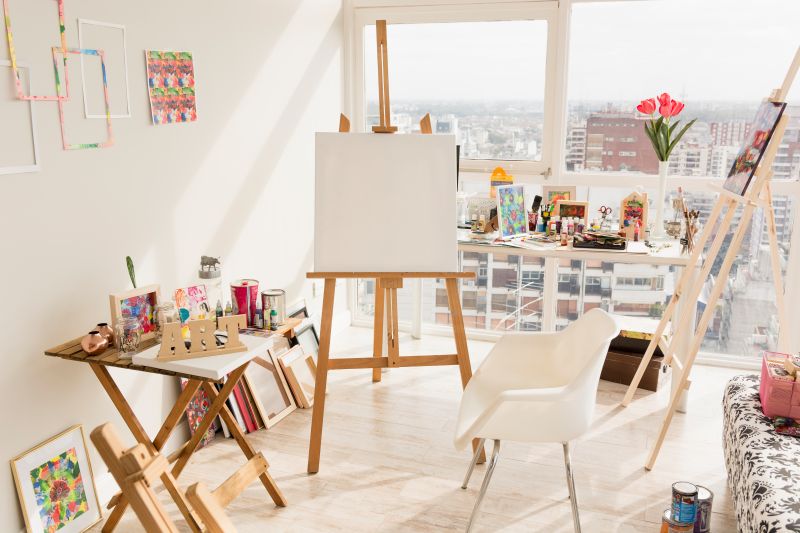
A spare bedroom may be ideal, but it isn’t the only option. Look around your home for underused areas.
- A corner of a home office
- A dining room nook
- A large, emptied-out closet or “cloffice”
- A finished attic
- A dry basement
- A portion of a guest room
When choosing your spot, prioritize adequate lighting and convenient access to electrical outlets. Also, consider the noise level—both the noise your hobby creates, such as machinery or music, and the noise from the rest of the house that could disrupt your focus.
3. Build a Comfortable, Functional Core
Your work surface, seating, and lighting are the foundation of your hobby space. Prioritize ergonomics and functionality over aesthetics.
- The Work Surface: Choose a table or desk appropriate for your specific hobby. Look for durable, easy-to-clean surfaces if your work is messy. If you switch between sitting and standing, a height-adjustable desk can be a worthwhile investment.
- The Chair: Choose seating that provides adequate back support and allows you to work comfortably for extended periods. Make sure the height of your chair works well with your desk or table.
- The Lighting: Natural light makes any space feel more inviting, but don’t rely solely on overhead fixtures. Add task lighting to reduce shadows and glare for detailed, close-up work such as sewing, painting, or jewelry making.
4. Master Small Spaces and Smart Storage
A hobby room shouldn’t feel like a cluttered storage unit. If you are working with a small footprint, use vertical space instead of spreading everything across the floor.
- Go vertical: Install floating shelves or wall-mounted pegboards. Keep frequently used supplies at eye level and store seasonal or rarely used items higher up.
- Use rolling carts: Furniture on wheels can be pulled out when necessary and tucked away when you need more floor space.
- Organize logically: Group similar supplies together. Use clear containers so you can see what you have, and label your bins. Drawer organizers can keep small items from turning into a chaotic jumble.
- Keep walkways clear: Arrange furniture so you can move comfortably around the room without constantly bumping into tables, chairs, or storage.
- Keep it cleanable: Choose washable surfaces, use protective mats under messy projects, and keep a small wastebasket nearby. Create a simple cleanup routine so the space never becomes overwhelming.
5. Tailor the Space to Your Craft
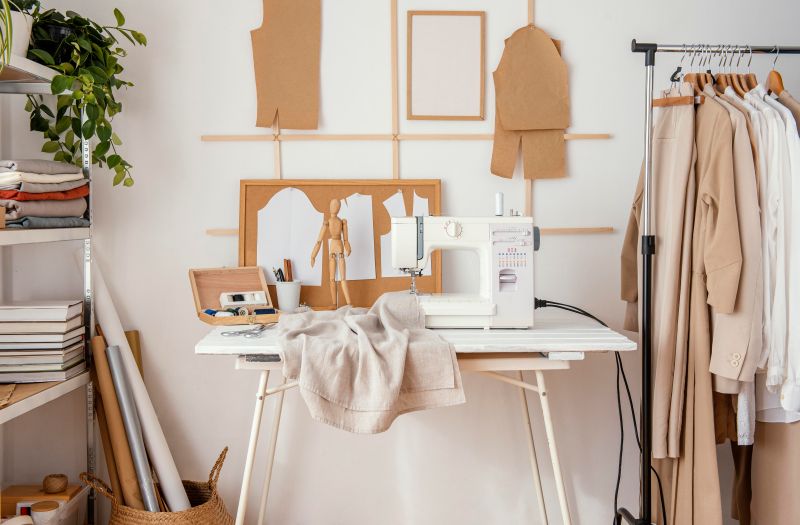
Different hobbies require entirely different setups. Keep these specific needs in mind:
- For Crafters & Sewists: Prioritize a large work or cutting surface, well-organized storage for small items such as thread, beads, buttons, and other supplies, and a comfortable, ergonomic chair.
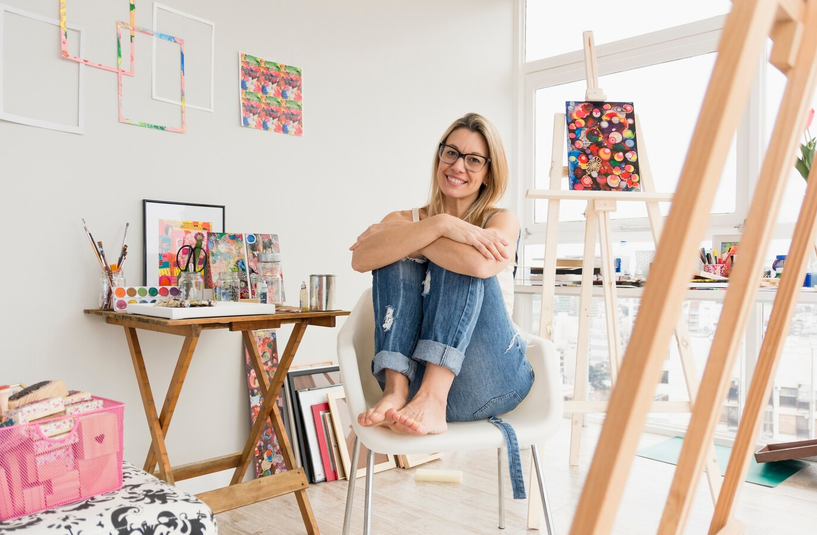
- For Artists: Good natural and task lighting is important. Invest in an easel or adjustable worktable, and choose flooring or surfaces that are easy to clean.
- For Writers & Readers: Focus on a supportive desk chair or cozy armchair, ample bookshelves, a quiet environment, and comfortable reading lights.
- For Gardeners: A sturdy potting bench, waterproof surfaces, tool storage, and easy access to an outdoor space or water source can make gardening projects much easier.
- For Collectors: Focus on display shelving, protective or archival storage, dust control, and adjustable lighting to highlight your pieces.
6. Keep Safety and Budget in Mind
You absolutely do not need to spend a fortune to create a great space. Shop secondhand for desks, tables, shelves, and cabinets. Repurpose furniture you already own, and save clean jars or containers to hold small supplies. Upgrade the space gradually rather than trying to buy everything at once.
As you build out the area, don’t overlook basic safety. Keep electrical cords organized and avoid overloading outlets. Make sure heavy shelving is properly secured to the wall using appropriate hardware. If you work with adhesives, paints, or other products that produce fumes, make sure the room has adequate ventilation. Always store sharp tools safely when they aren’t being used.
7. Add Personality and Encourage Creativity
Finally, your hobby space should feel entirely like you.
Display your finished projects alongside works in progress. Put up a small inspiration board, frame photographs, and use colours that actually make you happy rather than simply following a current decorating trend.
Add the finishing touches that make you want to stay a while: a comfortable rug, a small speaker for music or podcasts, a clock to keep track of time, and perhaps a convenient spot to keep a glass of water.
The ultimate hobby space isn’t necessarily the biggest or most beautifully decorated room. With good lighting, comfortable furniture, smart storage, and a layout designed around how you actually work, even a small corner of your home can become your favourite place to be.
Whether you have an entire room or just a small corner, the goal is the same: create a space that makes it easier and more enjoyable to do something you love.