Draft Stoppers vs. Window Insulation Kits: Which Saves More?
6 min read
1129 words
When winter winds start howling, chilly drafts sneaking into your home are more than uncomfortable. They can also make it harder to keep your home warm and comfortable. Two affordable ways to deal with cold drafts are draft stoppers and window insulation kits. But which one is the better choice, and which can potentially help reduce your heating costs?
The answer depends largely on where the cold air is coming from.
What Is a Draft Stopper?
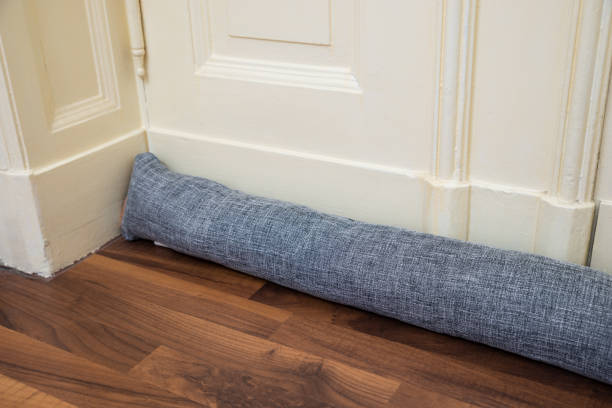
A draft stopper, sometimes called a draft snake or draft blocker, is designed to prevent cold air from entering through gaps around doors and other openings.
How It Works
A draft stopper creates a physical barrier between the inside of your home and a drafty gap. Some are made from fabric filled with materials such as foam or other insulating fibres, while others use foam, rubber or silicone.
Where It Works Best
Draft stoppers are particularly useful for:
- Gaps underneath exterior doors
- Door thresholds
- Small openings where cold air is entering
- Quick, temporary draft protection
Cost and Ease of Use
Draft stoppers are generally inexpensive and require little or no installation. Many can simply be placed against the bottom of a door and reused for several seasons.
What Is a Window Insulation Kit?
A window insulation kit typically uses clear plastic film to create an additional insulating layer over a window.
How Window Film Works
Most heat-shrink window kits are installed by applying double-sided tape around the window frame and attaching clear plastic film. A hair dryer is then used to shrink the film so it becomes tight and smooth.
The finished film creates a layer of still air between the window and the plastic, which can help reduce drafts and heat loss.
Best Uses
Window insulation kits can be particularly useful for:
- Older windows
- Single-pane windows
- Drafty windows
- Windows with noticeable air leakage
- Temporary winter insulation
Cost and Installation
Window insulation kits are generally affordable and can cover multiple windows, depending on the kit. Installation takes longer than placing a draft stopper but is still a manageable DIY project for many homeowners.
Draft Stoppers vs. Window Insulation Kits
| Feature | Draft Stopper | Window Insulation Kit |
|---|---|---|
| Cost | Usually inexpensive | Usually inexpensive per window |
| Installation | Very easy | Requires some DIY work |
| Best for | Specific gaps and door drafts | Drafty or poorly insulated windows |
| Reusability | Often reusable | Film is generally seasonal |
| Coverage | Specific gap | Entire window area |
| Best advantage | Quick and simple | Provides broader window insulation |
Which Option Saves More Money?
There isn’t one answer that applies to every home.
A draft stopper can be the better choice when the problem is a specific air gap, such as space underneath an exterior door. There’s little reason to cover an entire window with insulation film if the main problem is a small, easily sealed opening.
A window insulation kit may be more useful when an older window is cold or drafty across a larger area. The film can help reduce air movement and add another insulating layer between the room and the window.
However, it’s difficult to promise a specific percentage of savings because energy costs and results vary from one home to another. The condition of your windows, the size of the air leaks, your home’s insulation, climate and heating system can all affect how much energy you use.
When a Draft Stopper Makes More Sense
Consider a draft stopper when:
- You can feel cold air coming underneath a door.
- You want a quick and inexpensive solution.
- You need something you can remove and reuse.
- The rest of the window or door is reasonably well sealed.
- You’re dealing with a small, specific gap.
For many homeowners, a draft stopper is one of the simplest places to start.
When a Window Insulation Kit Makes More Sense
A window insulation kit may be a better option when:
- Your windows are older.
- You have single-pane windows.
- The glass feels particularly cold.
- You notice drafts around the window.
- You want a temporary winter solution.
- Several windows need additional insulation.
Window film isn’t a replacement for repairing badly damaged windows, but it can be a practical temporary measure during the colder months.
Can You Use Both?
Yes. In some homes, using more than one solution makes sense.
For example, you might use a draft stopper underneath a drafty exterior door while applying window insulation film to older windows. You can also combine window film with appropriate weatherstripping around movable window sections.
The key is to address the actual source of the draft rather than simply adding insulation everywhere.
Other Ways to Stop Window Drafts
Window insulation kits and draft stoppers aren’t the only ways to reduce cold air and heat loss. A few other simple improvements can make a noticeable difference.
Weatherstripping: If you feel cold air coming through gaps around a window that opens, weatherstripping can help create a tighter seal. Learn more about how weatherstripping windows can reduce drafts and energy costs.
Caulking: If the draft is coming from gaps around the stationary window frame, fresh exterior-grade caulk can help seal those areas.
Thermal curtains: Heavy or insulated curtains can provide another barrier between the cold window and the room, especially overnight.
Check the source first: Before buying anything, spend a few minutes identifying exactly where the cold air is coming from. A draft around the movable sash calls for a different solution than a gap around the frame.
Final Verdict
So, which saves more: a draft stopper or a window insulation kit?
It depends on the problem you’re trying to solve.
- Choose a draft stopper for a specific gap, particularly underneath a door.
- Choose a window insulation kit for older, drafty or poorly insulated windows.
- Consider using both if your home has several different sources of drafts.
The most effective approach is to find the source of the cold air first. A simple fix can sometimes make a noticeable difference in comfort without requiring an expensive home improvement project.
Frequently Asked Questions

Do draft stoppers really work?
Yes. Draft stoppers can reduce airflow through specific gaps, particularly underneath doors. They won’t, however, address heat loss through the glass of a window.
Do window insulation kits actually help?
They can. Window film creates an additional layer between the room and the window and can help reduce drafts and heat loss, particularly on older or single-pane windows.
Which option is cheaper?
Draft stoppers are generally cheaper when you only need to block one small gap. Window insulation kits can be economical when you need to treat several windows because one kit may cover multiple windows.
Can you use draft stoppers and window insulation kits together?
Yes. They address different problems, so using both can make sense when you have drafty doors as well as older or poorly insulated windows.