Home Care for Stroke Patients: What You Need to Know
4 min read
772 words
A stroke can change daily life for both the person who experienced it and the family members providing care. Recovery may involve changes in mobility, communication, strength, and independence, creating new challenges once a loved one returns home. In-home care can provide practical support during this transition while also giving family caregivers additional help with daily responsibilities. Family Matters Home Care provides in-home care services designed to support older adults and their families in the comfort of home.
What Happens After a Stroke?
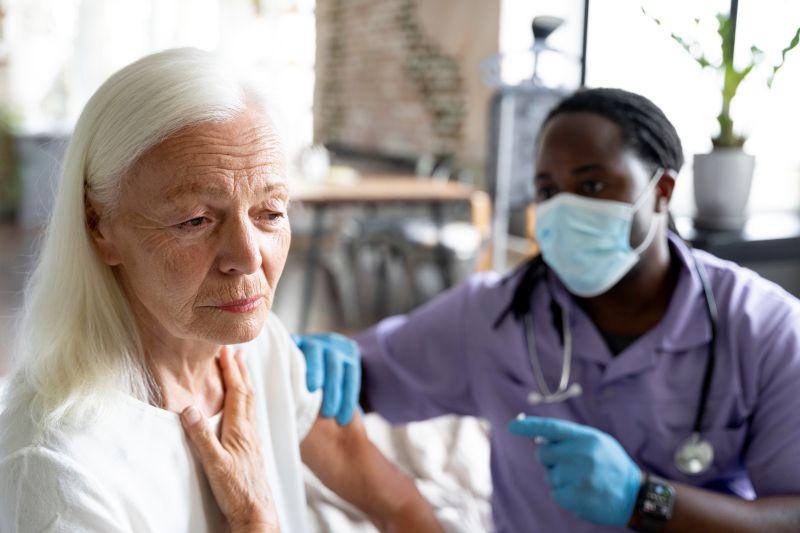
Stroke recovery can look different for every person. Some individuals may experience weakness or paralysis, while others may have difficulties with speech, vision, hearing, or mobility. Recovery may also involve ongoing rehabilitation and assistance with everyday activities.
Returning home after a hospital stay can be an important milestone, but it can also create new responsibilities for family members. Tasks that were once simple may suddenly require additional assistance.
An in-home caregiver can provide support with these everyday needs while allowing the individual to remain in familiar surroundings.
Support During the Early Recovery Period

The period following a stroke can involve significant adjustments. Patients may need help following their daily routines, getting around safely, preparing meals, and managing personal care.
A caregiver can provide assistance with these activities while supporting the individual’s efforts to remain as independent as possible. Caregivers can also provide companionship and help families manage some of the responsibilities that come with caring for a loved one after a stroke.
Caregivers are not a substitute for medical professionals or rehabilitation specialists, but they can provide valuable day-to-day assistance as part of a broader care plan.
Help With Everyday Activities
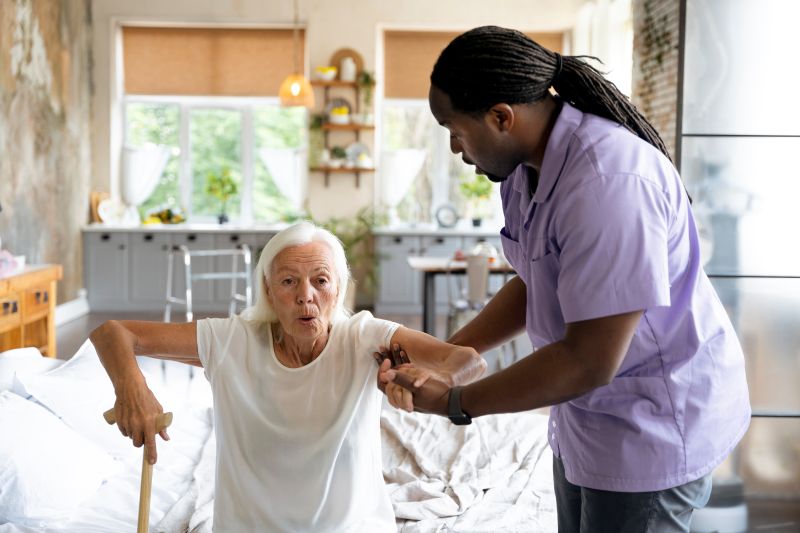
After a stroke, routine activities may become more difficult. Depending on a person’s needs, an in-home caregiver may assist with meals, bathing, grooming, transfers, transportation, and light housekeeping.
Having assistance with these responsibilities can make it easier for a stroke survivor to focus on their recovery and daily routine.
Care should be adapted to the individual’s abilities and needs. Some people may need extensive assistance, while others may only require help with certain activities.
Companionship After a Stroke

Recovery can sometimes feel isolating, particularly when physical or communication challenges make it harder to participate in normal social activities.
Companionship can give stroke survivors an opportunity to interact with another person throughout the day. A caregiver can help facilitate phone calls, messages, video chats, and other forms of communication with family and friends.
Having regular social interaction can also make the transition back to life at home feel less isolating.
Supporting Independence and Dignity
Losing some level of independence after a stroke can be frustrating. Assistance with personal care and daily activities should therefore be provided respectfully and with the individual’s preferences in mind.
In-home caregivers can assist with tasks that have become difficult while encouraging individuals to participate in the activities they are still able to manage safely.
This balance between assistance and independence can help people maintain a greater sense of control over their daily routines.
How Home Care Helps Family Caregivers
Family members often want to provide as much care as possible after a loved one’s stroke. However, managing daily responsibilities on top of work, household duties, and other commitments can become overwhelming.
In-home care provides families with additional support. A caregiver can help with daily activities and companionship while family members remain involved in their loved one’s care.
Having additional assistance can also give family caregivers time to handle their own responsibilities and maintain a healthier balance.
Choosing In-Home Care After a Stroke
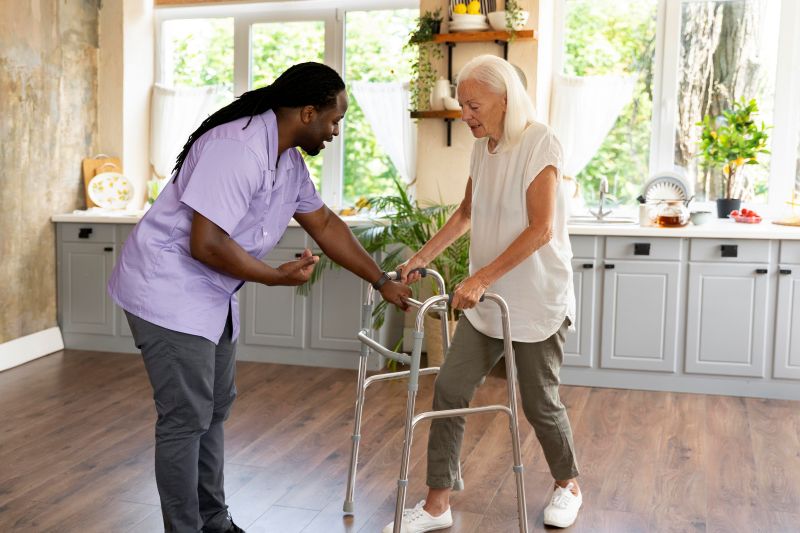
When considering home care, families should look for services that can accommodate the individual’s needs and provide dependable support. The appropriate level of care can change as recovery progresses, so flexibility can be important.
Family Matters offers several in-home services, including personal care, companionship, recovery care, transportation, meal preparation, housekeeping, and assistance with bed and wheelchair transfers.
The company serves communities throughout the San Francisco Bay Area and Greater San Diego and provides consultations to help families determine what type of support may be appropriate.
Helping Your Loved One Recover at Home
Life after a stroke can involve significant changes, but families do not have to manage every responsibility alone. In-home caregivers can assist with daily activities, provide companionship, and offer practical support while a loved one continues working toward greater independence.
For families considering additional support, Family Matters Home Care offers a range of services designed to help older adults remain comfortable and supported at home. The right care arrangement can provide assistance to the individual while also giving family members greater support throughout the recovery process.