What Is Circadian Lighting and Does It Really Work?
9 min read
1720 words
Lighting does much more than simply enable us to move around a room or read a book. It also plays an important role in regulating our biological systems. For centuries, human biology has been closely connected to the natural cycle of the sun. Today, however, many of us spend much of our lives indoors, exposed to artificial light that does not naturally change throughout the day. This difference has contributed to growing interest in circadian lighting, a deliberate approach to indoor lighting designed to support the body’s natural sleep and wake cycle. As more people look for better rest and greater daytime energy, circadian lighting is becoming increasingly popular in homes, offices, bedrooms, and wellness spaces. Yet behind the attractive marketing, one important question remains: Does circadian lighting actually work?
What Is Circadian Lighting?
At the heart of this technology is the circadian rhythm, the body’s internal 24 hour clock that influences processes such as hormone release, body temperature, and sleep cycles. This internal clock responds strongly to environmental signals known as zeitgebers, or time givers, with light being one of the most influential.
Natural daylight changes throughout the day.
In the morning: Bright, blue enriched light provides a strong signal that it is daytime.
At midday: Strong illumination supports daytime alertness and wakefulness.
In the evening: Natural light becomes warmer and dimmer, providing a signal that night is approaching.
Circadian lighting attempts to replicate some of these natural changes indoors using modern lighting technology.
How Light Affects Your Body Clock
The timing, intensity, and duration of light exposure can influence melatonin production and the body’s circadian rhythm.
During the day: Exposure to bright light helps suppress melatonin and supports the body’s natural alertness and wakefulness signals.
In the evening: Bright, blue enriched light can suppress melatonin and shift the body’s internal clock, potentially making it harder for some people to relax and fall asleep.
Individual responses can vary considerably depending on factors such as age, genetics, daily routines, sleep schedules, and overall light exposure.
How Circadian Lighting Works
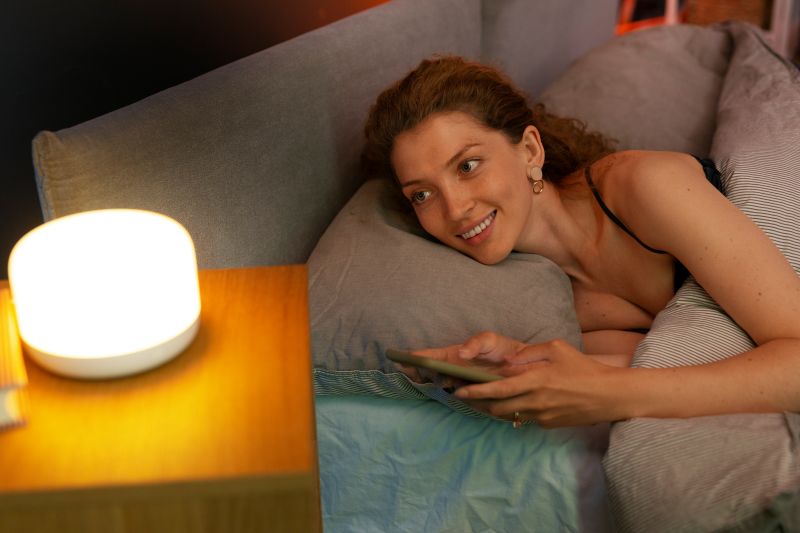
Circadian lighting systems modify indoor environments through several key components.
Colour Temperature: Cooler, bluer light can be used during the day, while warmer light can be used in the evening.
Brightness: Lighting can be brighter during the daytime and gradually become dimmer as evening approaches.
Timing: Automated schedules can change lighting characteristics throughout the day to create a more natural progression.
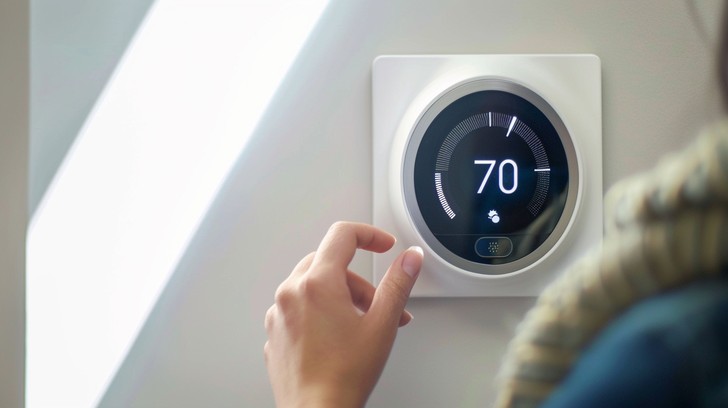
Smart Controls: Sensors, timers, apps, and connected bulbs can automate these changes.
Buying a bulb simply labelled “circadian” does not automatically create an effective lighting environment. Timing, brightness, colour characteristics, and the overall amount of light all matter.
Does Circadian Lighting Really Work?
To separate scientific evidence from marketing claims, it is important to consider what research actually supports.
Appropriately timed exposure to light can influence circadian rhythms, sleep timing, and daytime alertness. This is one reason carefully designed lighting environments are being explored in homes, workplaces, healthcare settings, and other indoor environments.
However, circadian lighting should be viewed as a supportive tool rather than a medical treatment for chronic insomnia or other sleep disorders.
Results can differ from person to person. The effectiveness of a lighting routine depends on factors including timing, intensity, duration, and exposure to natural daylight.
Circadian Lighting vs. Regular LED Lighting
| Feature | Regular LED Lighting | Circadian Lighting Systems |
|---|---|---|
| Colour Temperature | Usually fixed unless adjustable | Can change throughout the day |
| Brightness | Usually fixed unless manually dimmed | Can automatically vary |
| Scheduling | Usually manual | Can be automated |
| Automation | Limited unless smart controls are added | Often includes apps, timers, or sensors |
| Purpose | General illumination | Designed to support a natural light routine |
| Cost | Generally inexpensive | Moderate to expensive |
| Flexibility | Lower | Higher |
Where Circadian Lighting Can Be Most Useful
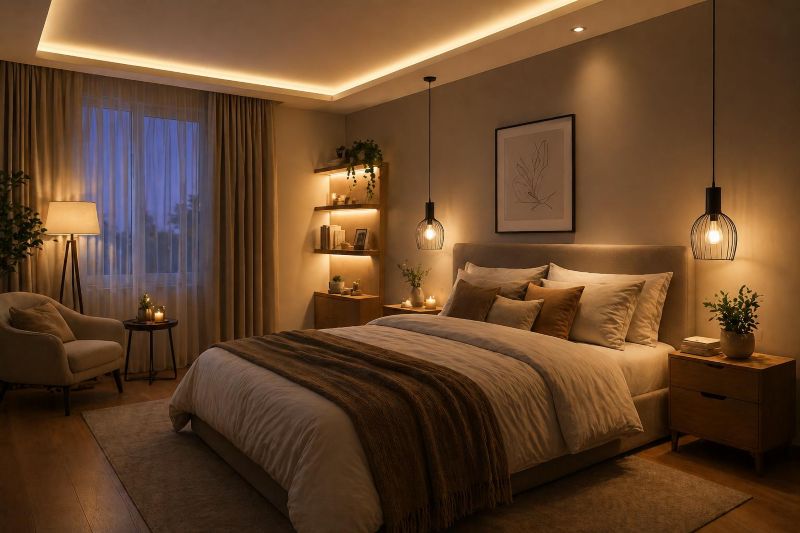
In the bedroom: Keep lighting warm and dim in the evening and avoid overly bright overhead lights shortly before bedtime.
In the home office: Use brighter lighting during working hours and make the most of natural daylight from windows.
In the living room: Create different lighting zones that transition from brighter daytime illumination to a more relaxing evening environment.
In the kitchen: Use bright task lighting when preparing food and switch to warmer, lower lighting later in the evening.
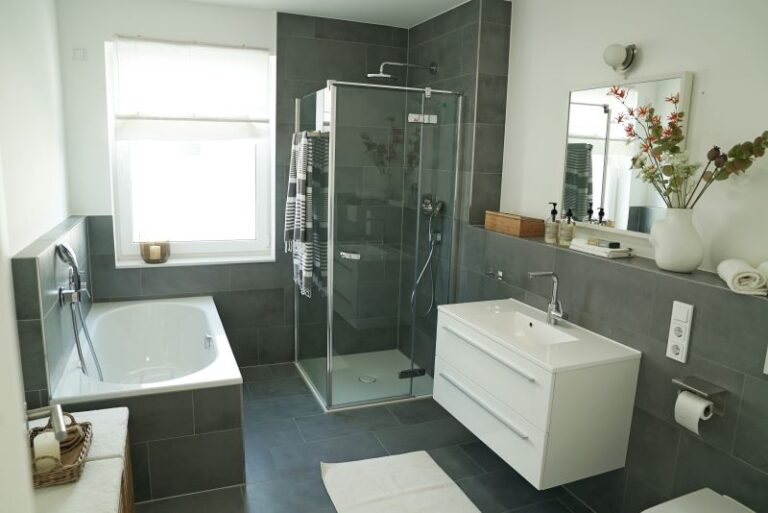
In the bathroom: Use practical, brighter lighting in the morning, while lower, warmer lighting can be more comfortable for nighttime visits.
How to Create a Circadian Friendly Home Without Spending a Lot of Money
You do not need an expensive renovation to create a more circadian friendly environment. A few simple changes can make a difference.
Before changing your lighting routine, it helps to understand the basics of layered lighting, brightness, and colour temperature. Our Essential Guide to Lighting for Any Space explains how to choose lighting based on the function and feel of each room.
Make the most of natural daylight: Open blinds and curtains during the day whenever possible.
Layer your lighting: Use brighter task lighting when working or cooking, then switch to warmer, dimmer lamps in the evening.
Use smart automation: Inexpensive smart bulbs or timers can help reduce brightness and change colour temperature automatically.
Manage screens: Consider reducing bright screen exposure in the evening, particularly close to bedtime.
Are Circadian Light Bulbs Worth the Money?
If you appreciate convenience, automatic transitions, and precise control over your home environment, adjustable lighting systems and smart bulbs may be worth the investment.
That said, expensive “wellness” lighting is not essential. In many homes, inexpensive warm LED bulbs combined with lower evening brightness and sensible lighting habits can create a more comfortable nighttime environment.
The technology is convenient, but the basic principles do not require an expensive system.
Common Mistakes to Avoid
Using very bright blue or cool white light in the evening: Bright, cool lighting can provide a stronger daytime signal when the body is preparing for nighttime.
Focusing only on colour temperature: Brightness, timing, duration, and overall exposure matter too.
Relying completely on artificial lighting: Natural daylight remains an important part of a healthy light environment.
Leaving the bedroom brightly lit overnight: A dark sleeping environment is generally preferable for supporting normal nighttime physiology.
Expecting perfect sleep: Circadian lighting can support a healthy light routine, but it cannot guarantee better sleep or replace good sleep habits.
Who Might Benefit Most?
Circadian friendly lighting may be particularly useful for:
People who spend most of their day indoors: Limited exposure to natural daylight can make it more difficult to maintain a strong day and night light pattern.
People who work shifts: Those working at night or on irregular schedules may use carefully timed light exposure as part of managing their sleep schedule.
People living in areas with limited winter daylight: Additional indoor light may be useful when natural daylight is limited.
Older adults: Changes in the eyes and circadian system that occur with age can affect how the body responds to light, making consistent daytime light exposure particularly important.
Night owls: A structured lighting routine may help people establish more consistent daytime and evening signals.
What About Aging and Circadian Rhythms?
As we age, sleep patterns can change, and age related changes in the eyes and circadian system can affect how strongly the body responds to environmental light.
For older adults, getting sufficient daylight exposure during the day and maintaining a darker, calmer environment at night can help support a consistent sleep and wake routine.
Even so, circadian lighting should be viewed as a lifestyle and environmental strategy rather than a medical treatment.
The Bottom Line
Circadian lighting is based on a sound biological principle: light is one of the body’s most important signals for regulating its internal clock.
However, the most effective approach is not necessarily to buy expensive special purpose bulbs. A combination of bright natural daylight during the day, reduced evening brightness, warmer nighttime lighting, and consistent timing may provide many of the benefits people are looking for.
Circadian lighting can be a useful tool, particularly when automation makes it easier to maintain good lighting habits. But the technology works best as part of an overall healthy approach to light and sleep.
Frequently Asked Questions
What is circadian lighting?
Circadian lighting is a lighting strategy that changes characteristics such as brightness and colour temperature throughout the day to create a lighting environment that more closely follows natural daylight patterns.
Does circadian lighting improve sleep?
Appropriately timed light exposure may help support the body’s circadian rhythm and improve sleep timing or quality for some people. However, circadian lighting is not a cure for insomnia or other sleep disorders.
What colour light is best in the morning?
Bright, cooler or blue enriched light can be useful in the morning because it provides a strong daytime signal to the body’s circadian system. Natural outdoor light is generally an excellent source.
What colour light is best before bed?
Warm, dim light is generally a better choice before bed because it provides less stimulation to the circadian system than bright, cool light. Amber or reddish light can be particularly useful when you want to create a calmer evening environment.
Are LED lights bad for your circadian rhythm?
Not by themselves. The effect depends on factors such as brightness, colour characteristics, timing, and duration of exposure. Bright, cool LEDs may be more likely to interfere with nighttime signals when used in the evening, while warmer, dimmer LEDs can be a better choice for nighttime lighting.
Can circadian lighting help with changes in daylight during the seasons?
It may help people maintain a more consistent indoor light routine when natural daylight is limited, particularly during darker winter months. However, getting outdoor daylight when possible remains important.
Is circadian lighting worth the cost?
It depends on your budget and whether you value automation. Advanced systems can make it easier to change lighting throughout the day, but you can create many of the same basic lighting habits with inexpensive warm bulbs, dimmers, timers, and natural daylight.
Can I create circadian lighting with regular smart bulbs?
Yes. Many adjustable smart bulbs allow you to schedule changes in brightness and colour temperature. This can help you create a more circadian friendly lighting routine without purchasing specialized wellness lighting.
Circadian lighting does not have to be complicated or expensive. Sometimes, the biggest improvement comes from something as simple as getting more daylight during the day and turning down the lights when evening arrives.