Common Causes of Highway Accidents & Insurance Claims
4 min read
751 words
Fast-moving traffic leaves very little room for mistakes. A single decision made in only a few seconds can lead to serious damage, expensive repairs, and a long insurance process. Many drivers focus only on what happened after a crash, yet the reason behind it often becomes one of the biggest parts of an insurance review. The common causes of highway accidents are closely examined because they help explain how the collision occurred and who may be responsible. Knowing what insurance companies usually look at can help you better understand why every detail matters after a crash.
Common Causes of Highway Accidents
Highway crashes happen for many different reasons, but some causes appear more often than others. Insurance companies, investigators, and law enforcement officers usually review the events leading up to the collision before deciding how a claim should move forward. Understanding these causes also helps drivers recognize the factors that often lead to serious accidents.
Speeding
Driving above the speed limit reduces the time available to react to traffic changes. It also increases the force of a collision, making injuries and property damage more severe. Even a small increase in speed can make it harder to stop safely if another vehicle suddenly slows down or changes lanes.
Distracted Driving
Looking at a phone, adjusting the navigation system, eating, or reaching for an object inside the vehicle can take a driver’s attention away from the road. A few seconds of distraction may be enough to miss changing traffic conditions or fail to notice another vehicle braking ahead.
Unsafe Lane Changes
Changing lanes without checking blind spots or using turn signals creates unnecessary danger. Highway traffic often moves quickly, leaving very little time for other drivers to avoid a collision if someone enters their lane unexpectedly.
Following Too Closely
Tailgating is another common reason for highway crashes. Drivers who leave very little space between vehicles often cannot stop in time if traffic suddenly slows. Rear-end collisions frequently happen because there is not enough distance to react safely.
Poor Weather Conditions
Rain, fog, strong winds, and icy roads reduce visibility and make it harder for vehicles to maintain control. Even careful drivers may need more time to stop, which increases the risk of a collision if safe driving habits are not adjusted for the conditions.
How These Causes Can Impact an Insurance Claim
The reason an accident happened often plays a major role during the insurance review. Adjusters usually collect evidence before deciding how responsibility should be assigned and how the claim should be handled.
Determining Fault
Insurance companies first try to understand what caused the crash. Police reports, witness statements, photographs, traffic camera footage, and vehicle damage all help build a clearer picture. If evidence shows that one driver acted carelessly, that information may influence how responsibility is assigned.
Reviewing Available Evidence
Strong evidence often supports a smoother claims process. Medical records, repair estimates, photographs, and official reports help explain the losses connected to the accident. Missing information may lead to additional questions or longer review times.
Evaluating the Damage
Insurance companies review both vehicle damage and personal injuries before calculating compensation. The seriousness of the damage, repair costs, medical treatment, and other documented losses all become part of the claim evaluation.
Considering Policy Coverage
Every insurance policy is different. Coverage limits, deductibles, and the types of protection included in the policy may affect the amount available for payment. A careful review of the policy helps determine which expenses may qualify for coverage.
Looking at Driver Actions
The common causes of highway accidents often become part of the overall investigation because driver behavior can affect the outcome of a claim. Speeding, distracted driving, or failing to follow traffic laws may influence how insurance companies review responsibility and process compensation. Every accident is evaluated according to its own facts, and no single factor automatically decides the final result.
Final Thoughts Before Starting the Claims Process
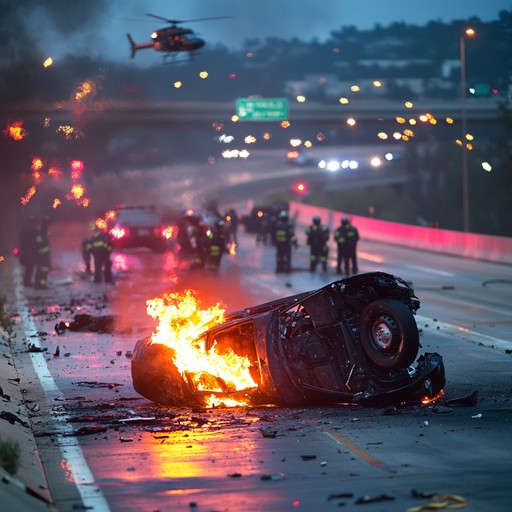
A highway accident can leave drivers facing unexpected repairs, medical expenses, and insurance paperwork, but understanding how claims are reviewed can make the process less confusing. Insurance companies carefully examine the evidence, the available coverage, and the events that led to the collision before making decisions about a claim.
Since the causes often play an important role during that review, keeping accurate records, reporting the accident promptly, and documenting every loss can help support the claims process. If questions arise, speaking with a qualified legal professional may help you better understand your available options based on your individual circumstances.