
What to Do With Extra Garden Vegetables: Your Harvest Guide
6 min read
1030 words
There is something incredibly satisfying about growing your own vegetables. Few things compare to walking into your backyard and picking a juicy tomato warmed by the sun, a crisp cucumber, or a zucchini that seems to appear overnight. But every gardener knows there is a point in the season when the harvest starts coming faster than you can eat it. Suddenly, your kitchen counter is covered with tomatoes, baskets are overflowing with beans, and you are wondering what you will do with all those extra garden vegetables.
Having more produce than you can use right away is a wonderful problem to have. Instead of letting your hard work go to waste, there are plenty of simple ways to enjoy your harvest now, save it for later, and share the abundance with others.
Store Your Harvest Properly
The best way to make your garden vegetables last longer starts with harvesting them at the right time.
Many vegetables are best picked in the morning when they are crisp and full of moisture. Tomatoes should be picked when they are fully coloured but still firm, while zucchini is usually best harvested when it is smaller and more tender. Letting vegetables grow too large can affect their flavour and texture.
Once your vegetables are picked, take a few minutes to prepare them for storage. Remove any dirt, gently wash produce when needed, and make sure everything is dry before putting it away. Extra moisture can cause vegetables to spoil more quickly.
Proper storage can help your extra garden vegetables last longer, giving you more time to enjoy the rewards of your garden. Tomatoes, onions, and potatoes generally do best in a cool, dark area, while leafy greens, herbs, and many other vegetables will last longer in the refrigerator.
A little organization can also help. Keep your garden produce where you can see it so you remember to use it before it spoils.
Freeze Extra Garden Vegetables for Later
Freezing is one of the easiest ways to preserve your garden harvest. It requires very little equipment and allows you to enjoy the taste of summer even during the colder months.
Many extra garden vegetables freeze well, including:
- Green beans
- Peppers
- Zucchini
- Broccoli
- Corn
- Peas
- Carrots
For the best results, most vegetables should be blanched before freezing. This simply means briefly cooking them in boiling water and then placing them in ice water to stop the cooking process. Blanching helps maintain colour, texture, and flavour.
After blanching, allow vegetables to dry before placing them in freezer bags or containers. Label everything with the date so you can easily find what you need later.
Preserve Your Summer Harvest
If you enjoy traditional methods, preserving your garden vegetables can be a rewarding project.
Canning allows you to enjoy your garden long after the growing season ends. A jar of homemade tomato sauce in January or a batch of pickles made from your own cucumbers can bring back the flavours of summer.
Popular ways to preserve your harvest include:
- Homemade tomato sauce
- Salsa
- Pickles
- Relishes
- Jams and jellies
- Vegetable soups
If you are new to canning, always follow safe canning guidelines and use trusted recipes. Proper techniques are important to ensure your preserved foods remain safe to eat.
Share Your Extra Garden Vegetables
Sometimes even the biggest vegetable lovers cannot keep up with a successful garden. If you have more extra garden vegetables than your family can enjoy, sharing them is a wonderful way to spread the joy of gardening.
A basket of fresh tomatoes or cucumbers can be a thoughtful gift for neighbours, friends, family members, or coworkers. Many people appreciate receiving homegrown vegetables, especially those who do not have space for their own garden.
You can also consider donating extra produce to local food banks, community programs, or starting a neighbourhood produce exchange where gardeners trade their extras.
A garden harvest is even more rewarding when it brings people together.
Get Creative in the Kitchen
One of the best ways to use extra garden vegetables is to simply find new ways to enjoy them.
A large zucchini harvest does not have to mean eating the same dish every night. Try making zucchini bread, muffins, fritters, or zucchini noodles.
Extra tomatoes can become:
- Fresh salsa
- Pasta sauce
- Bruschetta
- Roasted tomatoes
- Homemade soup
A variety of garden vegetables can be turned into comforting soups, colourful salads, roasted vegetable dishes, stir-fries, and casseroles.
Cooking with vegetables you grew yourself makes meals feel a little more special. Fresh garden ingredients often have a flavour that store-bought produce simply cannot match.
Save Seeds for Next Year
Your garden can continue giving long after the growing season ends. Saving seeds from healthy, productive plants is a great way to prepare for next year’s garden.
Some vegetables, such as beans, peas, and tomatoes, are popular choices for seed saving. Allow seeds to fully mature, clean them carefully, and store them in a cool, dry place.
Be sure to label your seeds with the plant variety and the year they were collected. This simple habit can help you build a collection of seeds suited to your own garden over time.
Compost What You Cannot Use
Even with careful planning, some garden scraps and damaged vegetables may not be suitable for eating. Composting gives those leftovers a useful purpose.
Vegetable scraps, fruit peels, plant trimmings, and other organic materials can break down into rich compost that improves your garden soil.
Adding compost helps your plants grow healthier while reducing household waste. It is a simple way to return nutrients back to the earth and prepare your garden for another productive season.
Enjoy the Rewards of Your Garden
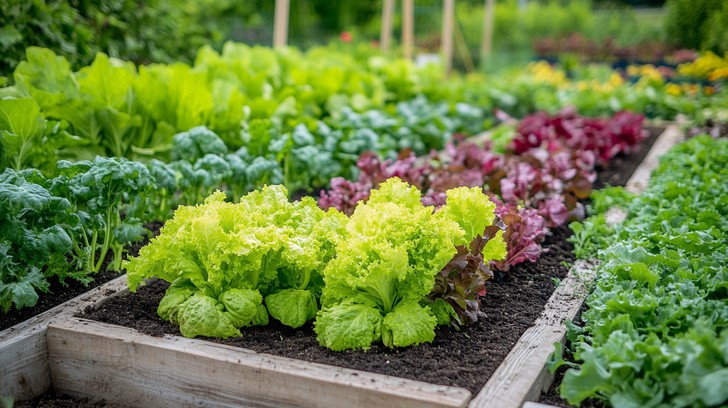
A garden overflowing with vegetables is a sign of patience, care, and a little bit of gardening luck. While having too many vegetables can sometimes feel overwhelming, it is also something worth celebrating.
Whether you freeze, preserve, share, or cook with your extra garden vegetables, every part of your harvest can be enjoyed.
After all, growing your own food is about more than the vegetables themselves. It is about slowing down, connecting with nature, and enjoying the simple pleasure of eating something you grew with your own hands.