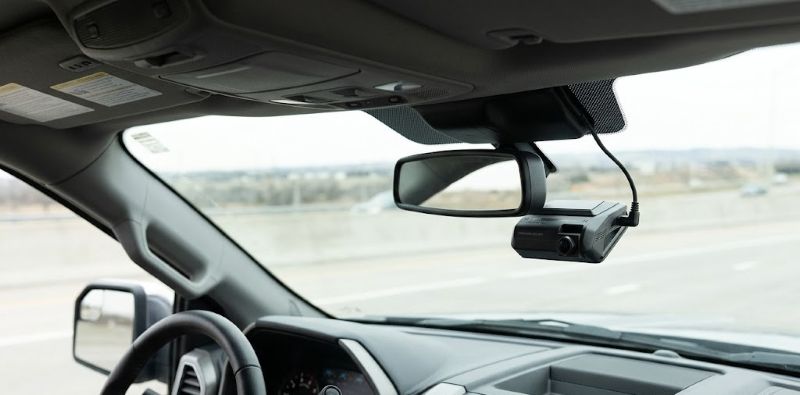
Dashcam Evidence: How Your Dashcam Helps Police
8 min read
1504 words
Driving comes with its share of surprises. From accidents and sudden stops to dangerous driving and unexpected events, the road can be unpredictable. While many drivers install a dashcam for personal protection, they may not realize the importance of dashcam evidence when accidents, crimes, or road incidents occur. Your dashcam does more than record your daily commute. It can capture valuable dashcam evidence that helps provide answers when details are unclear, supports insurance claims, and may assist police investigations. A reliable recording can create an objective record of what happened and provide information that may otherwise be unavailable.
What Is a Dashcam?
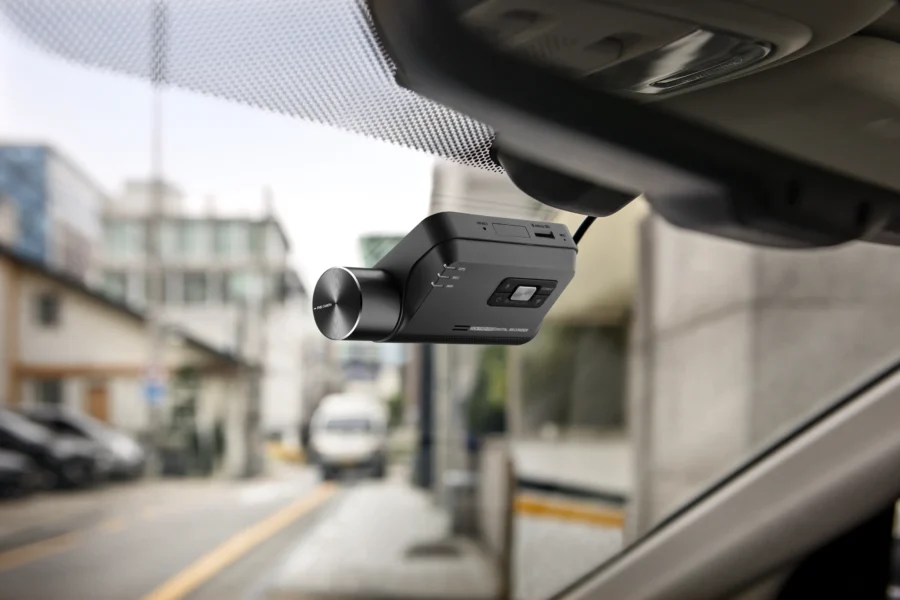
A dashcam is a compact video camera mounted on your vehicle’s windshield or dashboard that records the road ahead. Many models also include rear cameras and advanced features designed to capture important details while driving or when your vehicle is parked.
Common dashcam features include:
- Front and Rear Cameras: Capture events happening in front of and behind your vehicle.
- Loop Recording: Automatically replaces older footage with new recordings when the memory card fills.
- Parking Mode: Monitors your vehicle while parked and can record motion or impacts.
- GPS Tracking: Records location and speed information.
- Night Vision: Helps capture clear footage in low-light conditions.
- Collision Detection (G-Sensor): Automatically protects important footage when an impact occurs.
Why Every Driver Should Consider Installing a Dashcam
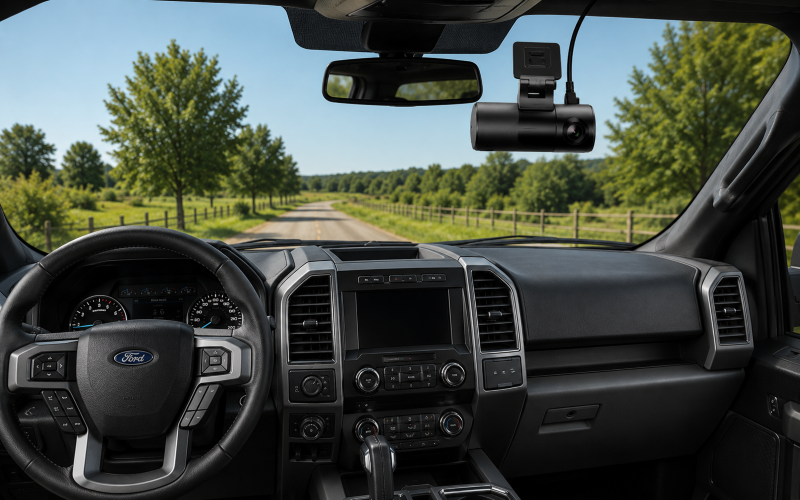
A dashcam is no longer just an accessory for road trips. For many drivers, it has become a valuable safety tool that provides protection, reassurance, and evidence when unexpected situations happen.
Provides Peace of Mind
Knowing your vehicle is recording can provide confidence every time you drive. Whether you are involved in an accident, witness a road incident, or encounter dangerous driving, having a reliable recording can help reduce uncertainty.
Helps Protect Against False Claims
After an accident, drivers and witnesses may remember events differently. Dashcam footage provides an objective record that can help clarify what happened and protect drivers from inaccurate accusations or disputes.
Records Unexpected Events
You never know what may happen while you are on the road. A dashcam can capture collisions, road hazards, dangerous driving, or other incidents that may later require documentation.
Encourages Safer Driving
Many drivers become more aware of their own driving habits when they have a dashcam installed. Knowing that events are being recorded can encourage greater responsibility and safer decisions behind the wheel.
Helps Your Community
Dashcam footage can benefit more than just the vehicle owner. In some situations, recordings can provide valuable information to police or investigators, helping solve incidents and improve safety for others.
Five Ways Your Dashcam Can Help Police
A dashcam can become an important source of information when incidents occur. Here are some ways your footage may assist authorities:
1. Providing Evidence After an Accident
After a collision, details can become unclear due to stress, confusion, or conflicting accounts. Dashcam footage can provide an objective view of:
- How the accident happened.
- The vehicles involved.
- Road and weather conditions.
- Driver actions before the collision.
This information can help investigators better understand the sequence of events.
2. Helping Investigate Hit-and-Run Incidents
Hit-and-run accidents can be difficult to solve, especially when there are no witnesses. A dashcam may capture:
- Vehicle descriptions.
- License plate information.
- The direction the vehicle traveled.
- Details that could help identify the driver.
3. Reporting Dangerous Driving
Dashcam recordings can document unsafe behaviors such as:
- Aggressive driving.
- Dangerous passing.
- Distracted driving.
- Running red lights.
- Other risky actions on the road.
This footage may help authorities identify dangerous situations and improve road safety.
4. Assisting Criminal Investigations
A dashcam may capture events unrelated to your own vehicle. Recordings can sometimes provide useful information about:
- Theft.
- Property damage.
- Suspicious activity.
- Crimes occurring nearby.
Even unexpected footage can become valuable evidence.
5. Protecting Yourself
One of the biggest benefits of a dashcam is having a reliable record of events. In cases involving insurance disputes or false accusations, footage can help show what actually happened.
Real-Life Experience: How My Dashcam Assisted Police
Many drivers think of a dashcam as something useful only after a car accident, but its value can extend far beyond collisions.
In my own experience, my dashcam has assisted police on two separate occasions.
The first incident involved a robbery and assault. My dashcam captured important details that helped provide additional information for the police investigation. Having video evidence helped show what happened and provided information that may not have been available otherwise.
The second incident involved someone throwing an object out of their vehicle window at another driver. The dashcam recorded the event and provided a clear account of what occurred.
These experiences showed me that a dashcam is much more than a device for recording daily driving. It can act as an extra set of eyes on the road, capturing events that may help police, insurance companies, and drivers understand what happened.
While no one expects to witness a crime or dangerous situation while driving, having a dashcam means you may have important evidence available when it matters most.
How to Properly Share Dashcam Footage With Police
If your dashcam captures an incident that may assist an investigation:
- Save the original file. Avoid editing, trimming, or compressing the footage.
- Record important details. Note the date, time, and location.
- Provide context. Explain what happened and what the video shows.
- Contact authorities. Ask the police department how they prefer evidence to be submitted.
Are Dashcams Legal?
Dashcam laws vary depending on where you live. Important considerations include:
- Camera placement: The dashcam should not block your view while driving.
- Audio recording: Some areas have restrictions on recording private conversations.
- Privacy: Be mindful when sharing footage that includes other people.
Always check local regulations before installing and using a dashcam.
Choosing a Dashcam That Can Capture Useful Dashcam Evidence
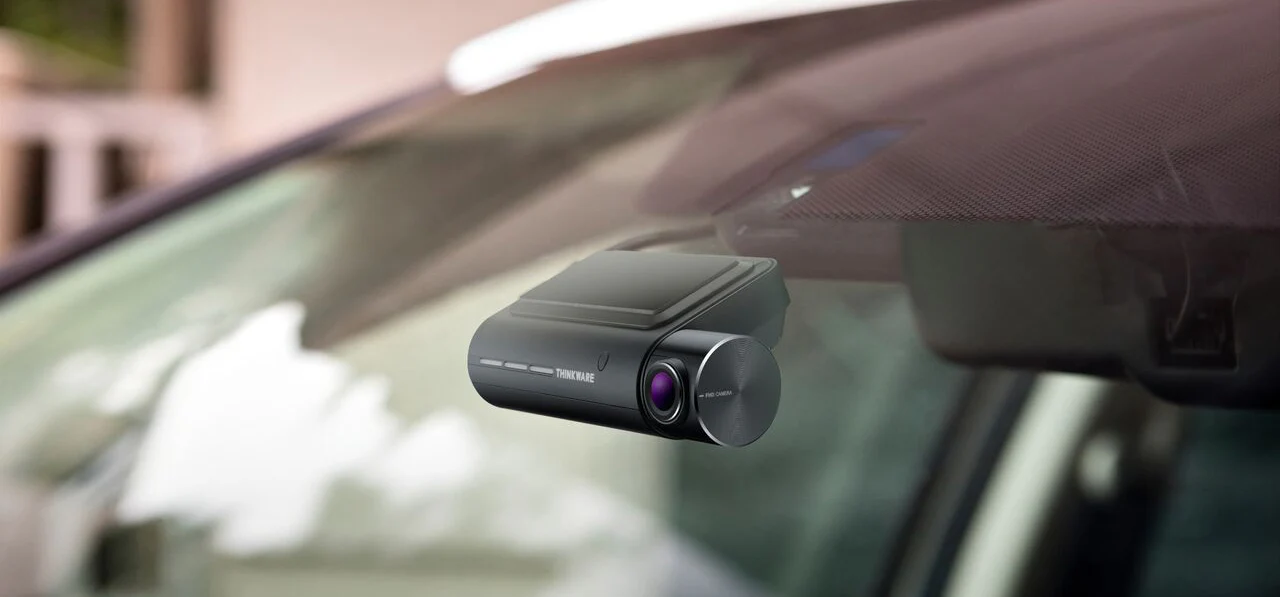
Choosing a dashcam with reliable recording quality and important safety features can make a big difference when you need clear footage. Features such as high-resolution video, night vision, GPS tracking, and parking mode help ensure important details are captured when an incident occurs.
For example, the Thinkware F800 Dash Cam was designed with features such as Full HD recording, advanced night vision, GPS tracking, and parking surveillance to help drivers record important moments on the road. Read our Thinkware F800 Dash Cam Review (2017): Features & Experience to learn more about its features and performance.
When selecting a dashcam, look for features that can help provide useful evidence, including:
- High video quality: 1080p or higher helps capture important details such as vehicle movements and road conditions.
- Night vision: Improves recording quality during evening and low-light driving.
- Wide viewing angle: Captures more of the road and surrounding area.
- Parking mode: Helps monitor your vehicle while it is unattended.
- GPS tracking: Records location and speed information that can provide additional context.
Example: Thinkware ARC 900 Dashcam
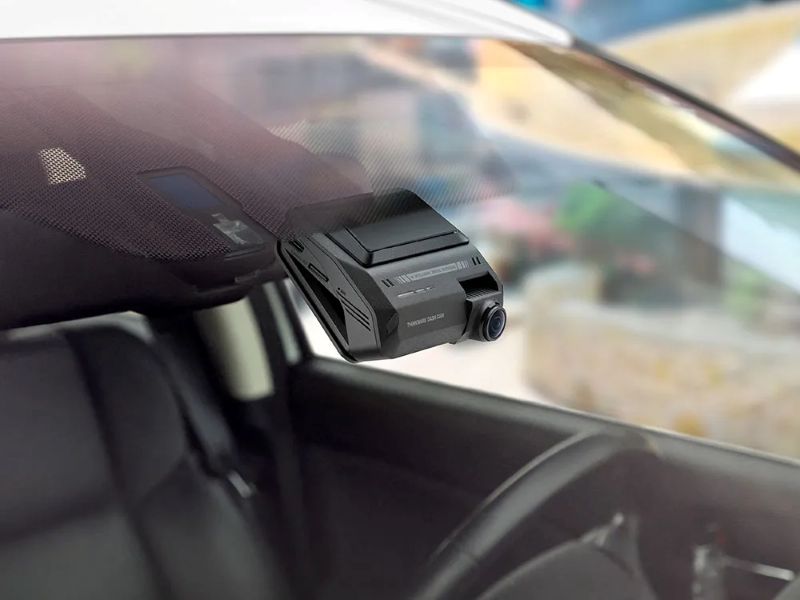
For drivers looking for modern recording technology, the Thinkware ARC 900 Dashcam is an example of a system designed to capture clear and reliable footage for everyday driving situations. Features such as high-resolution recording, advanced night vision, GPS tracking, and parking monitoring help ensure important moments are recorded when they matter most.
Key features include:
- High-resolution video recording for detailed footage.
- Advanced night vision for clearer recordings in low-light conditions.
- Wide Dynamic Range technology to help balance challenging lighting situations.
- Parking monitoring options to help protect your vehicle when unattended.
- Built-in GPS to record location and speed information.
A quality dashcam can act as a silent witness, providing valuable information that may help drivers, insurance companies, and authorities better understand what happened during an incident.
Responsible Dashcam Use
While dashcams are useful safety tools, they should be used responsibly.
- Use your dashcam for safety and protection, not to target or harass others.
- Store recordings securely to protect your privacy.
- Avoid sharing footage publicly unless there is a clear reason to do so.
Frequently Asked Questions
Can dashcam evidence be used by police?
Yes. Dashcam evidence may help police understand what happened during accidents, dangerous driving incidents, or criminal investigations. Acceptance and use of footage depends on local laws and the circumstances of the case.
Should I give my dashcam footage to police?
If your recording captures an accident, crime, or dangerous driving incident, you can contact police and ask how to submit the footage.
Can a dashcam prove who was at fault in an accident?
Dashcam footage can provide important information about what happened, but final decisions about fault are made by insurance companies, police, or legal authorities.
Do dashcams record all the time?
Most dashcams use loop recording, meaning they continuously record and replace older footage. Important events are usually saved automatically through impact detection.
Final Thoughts
A dashcam is a small device that can provide valuable dashcam evidence when unexpected situations occur. Whether it helps document an accident, support an insurance claim, or assist police with an investigation, having a reliable recording can make a difference when it matters most.
Beyond protecting yourself, your dashcam may also help create safer roads by providing information that assists others when they need it most.