Bug Zappers vs Mosquito Control Methods (2026)
4 min read
729 words
That electric zap from a bug zapper can sound deeply satisfying on a warm summer evening. Some people swear by them as the ultimate weapon for backyard mosquito control. But before investing in an electric insect killer, it’s worth asking a simple question: do they actually work or are they solving the wrong problem? In this guide, we’ll break down how bug zappers work, why they often fail to target mosquitoes, and what actually works for creating a safer, more comfortable outdoor space.
How Bug Zappers Work: An Electric Execution
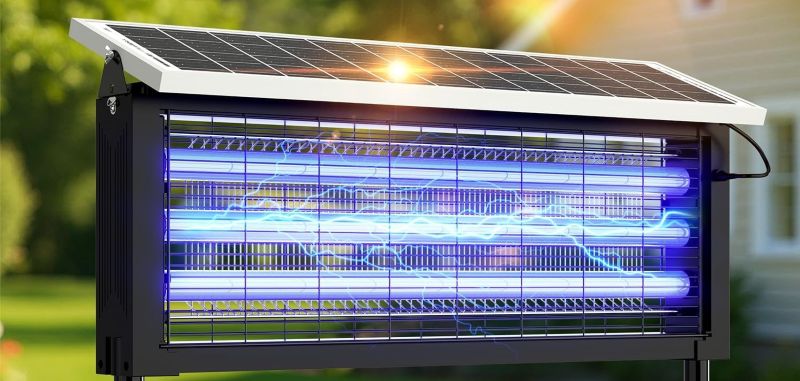
The concept behind bug zappers has remained largely unchanged for decades. A bug zapper, or electric insect killer, uses ultraviolet (UV) light to attract insects.
Here’s how the process works:
- Attraction: UV light draws in many night-flying insects
- The grid: Insects fly toward the device and pass through an electrified metal grid
- The zap: A high-voltage shock instantly kills the insect, often with an audible snap
They are marketed as a chemical-free, low-effort mosquito control solution. However, their effectiveness depends on a major flaw in how mosquitoes actually behave.
Why Mosquitoes Often Ignore Bug Zappers

The key issue is simple: mosquitoes are not strongly attracted to UV light.
Instead, they track humans using:
- Carbon dioxide (CO₂) from breathing
- Body heat and moisture
- Skin odours and sweat compounds
Bug zappers do not replicate these signals. As a result, mosquitoes are often uninterested in them.
A 1997 study published in Florida Entomologist found that bug zappers captured less than 1% of mosquitoes in the surrounding area, highlighting their limited effectiveness for mosquito control.
What Bug Zappers Actually Kill
If mosquitoes aren’t the main target, what is being zapped?
Most commonly:
- Moths (including pollinators)
- Gnats
- Beetles
- Flying ants
- Other harmless or beneficial insects
Some studies suggest a single bug zapper can kill thousands of non-pest insects in one season, potentially disrupting local insect populations without meaningfully reducing mosquito numbers.
In short: they kill plenty of insects, but not the ones most people are trying to stop.
Better Backyard Mosquito Control Methods
If your goal is to reduce mosquitoes, especially in regions like Ontario where West Nile virus is a seasonal concern then more targeted strategies are far more effective.
1. Source Reduction (Most Effective Step)
Mosquitoes need standing water to reproduce.
- Empty plant trays, buckets, toys, and containers weekly
- Clean clogged gutters
- Maintain pools, ponds, and bird baths
- Remove any stagnant water sources
These methods are designed around mosquito behaviour:
- CO₂ traps: Mimic human breath to attract and capture mosquitoes
- Spatial repellents: Devices like patio systems create a mosquito-free zone using vapour-based repellents
- Personal repellents: Health Canada–approved products containing DEET, Icaridin, or oil of lemon eucalyptus provide proven protection.
Professional Barrier Treatments
For severe infestations, licensed pest control treatments can reduce mosquito populations by applying residual sprays to vegetation where mosquitoes rest.
Bug Zappers vs. Other Mosquito Control Methods
Not all mosquito control methods work the same way. Some target mosquitoes directly,
while others affect a broad range of flying insects with limited impact on bites or
disease risk reduction.
| Method | Primary Target | Effectiveness vs Mosquitoes | Notes |
|---|---|---|---|
| Bug Zapper | UV-attracted insects | Low | Kills mostly non-biting insects, not targeted at mosquitoes |
| UV Light Traps | Mixed flying insects | Low–Moderate | Some models use attractants for improved capture |
| Sticky Traps | Flies, gnats | Very Low | Not designed for mosquito control |
| CO₂ Mosquito Traps | Host-seeking mosquitoes | High | Mimics human breath to attract mosquitoes |
| Repellents (Spatial / Skin) | Mosquitoes (bite prevention) | Very High | Creates protection zone or personal barrier |
Overall, methods that target mosquito behaviour, such as CO₂-based traps and proven repellents—
are significantly more effective than UV-based bug zappers.
What to Do If Mosquitoes Get Indoors
Even with good outdoor control, mosquitoes can still enter your home.
- Repair or install window and door screens
- Use fans—mosquitoes struggle in airflow
- Seal gaps around doors and windows
- Reduce unnecessary exterior lighting
- Use approved repellents when needed
Conclusion: Are Bug Zappers Worth It?
While bug zappers deliver a satisfying evening “zap,” scientific evidence shows they are not an effective solution for mosquito control. Instead, they tend to remove beneficial insects while leaving mosquitoes largely unaffected.
For a truly effective backyard strategy, especially during active West Nile virus seasons focus on:
- Eliminating standing water
- Using targeted mosquito traps
- Applying proven repellents
- Creating airflow and physical barriers
These methods offer far better protection and a more comfortable outdoor experience.