Online Dating Safety Guide: How to Stay Protected
4 min read
756 words
Online dating has transformed from a niche activity into a mainstream way to meet potential partners worldwide. With millions of swipes and messages exchanged daily across platforms like Tinder, Bumble, and Hinge, the digital landscape is booming. However, this growth comes with a responsibility: prioritizing your personal safety. This guide explores the risks of digital dating and provides expert-backed strategies to help you navigate the world of online romance with confidence and awareness.
Why Safety Matters
The accessibility of online dating apps is a double-edged sword. While it is easier than ever to connect across distances and backgrounds, this convenience introduces potential vulnerabilities. Prioritizing online dating safety is not about operating from a place of fear. It is about empowerment. By taking proactive precautions, you reduce unnecessary risks and create the peace of mind necessary to enjoy forming genuine connections.
Understanding Common Risks
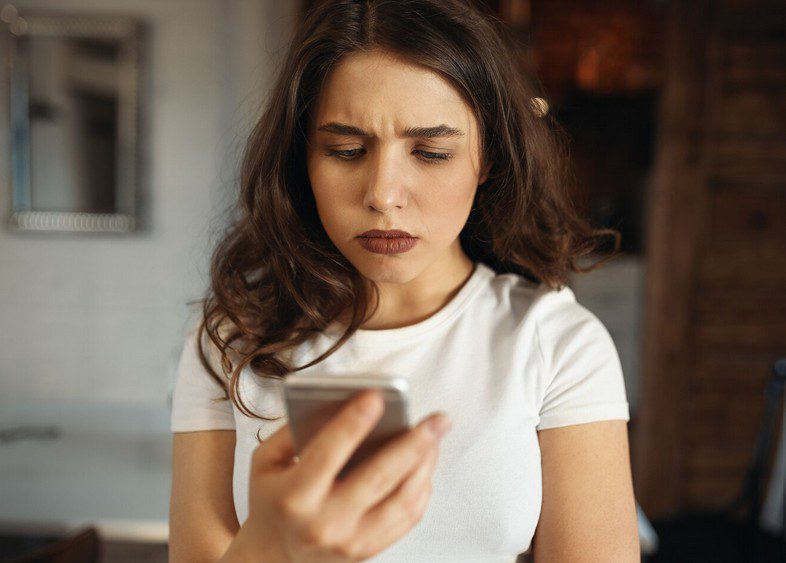
- Catfishing: Individuals creating fake identities on online dating websites. They use stolen photos and fabricated details to build emotional trust for manipulation.
- Romance Scams: Manipulative tactics designed for financial gain, where scammers spend weeks or months building trust before requesting money for “emergencies” or travel. For more in-depth advice, read the full article: Helping Older Women Navigate Romance Scams.
- Privacy Vulnerabilities: Oversharing (workplace, home address, or routines) can lead to stalking or identity theft.
- Harassment: On some online dating websites some users may engage in inappropriate, persistent, or threatening behavior that compromises your emotional or physical well-being.
- Digital Manipulation: Tactics like ghost lighting, love bombing (excessive affection to gain control), breadcrumbing (sporadic, inconsistent attention), and gaslighting are used by individuals on online dating sites to erode your boundaries and confidence.
Strategies for a Safer Experience when Online Dating
1. Curate a Secure Profile
Your profile should showcase your personality without exposing your private life.
- Limit Details: Avoid mentioning your specific workplace, home address, or daily routines.
- Photo Safety: Use recent, clear photos, but avoid images that show your home exterior, work badge, or landmarks that could pinpoint your location.
2. Verify Before You Trust
- Reverse Search: Use tools like Google Reverse Image Search to see if a profile’s photos appear elsewhere online.
- Video Chat: Request a video call before meeting in person. If they consistently refuse, treat it as a significant red flag.
- Stay In-App: Keep conversations on the dating platform until you have established a solid level of trust.
3. Safe First Date Practices
- Public Settings: Meet in busy, well-lit venues. Never agree to meet at a private residence for a first date.
- The “Buddy System”: Always tell a trusted friend or family member exactly where you are going and who you are meeting.
- Maintain Mobility: Arrange your own transportation to ensure you have the power to leave at any time.
- Stay Sharp: Limit alcohol consumption to ensure you remain in control of your decision-making.
Setting Boundaries with Confidence: Scripted Responses
| Scenario | Suggested Response |
|---|---|
| Moving Too Fast | “I’m really enjoying getting to know you, but I prefer to take things slow. Let’s keep things casual for a bit.” |
| Privacy Concerns | “I like to keep my private life separate until I’ve gotten to know someone better. I hope you can respect that.” |
| Moving Off-App | “I’m much more comfortable keeping our chats here on the app for now. It’s just a personal safety preference.” |
| Pressured Meeting | “I’d love to meet eventually, but I prefer to video chat first to see if we’re a good match. Are you open to that?” |
| Breadcrumbing | “I enjoy our conversations, but I’m looking for more consistency. Is that something you’re able to offer?” |
Pro-tip: You do not owe anyone a lengthy justification. If they respond with hostility or guilt-tripping, this is a major red flag. Block and move on.
Red Flags to Watch For when Online Dating
When online dating trust your instincts. Be cautious of users who:
- Refuse video calls or in-person meetings.
- Request financial assistance or money.
- Exhibit “love bombing” (intense, overwhelming displays of affection early on).
- Share inconsistent stories or provide vague answers.
Taking Action
- Report Immediately: Use the in-app reporting features to notify the platform.
- Contact Authorities: If you are in immediate danger or have been the victim of a crime, contact local police.
- Seek Support: Lean on trusted friends, family, or professional safety organizations.
Conclusion

Online dating offers a world of opportunities for meaningful connection, but your safety is the foundation of that experience. By staying vigilant, protecting your private information, and enforcing your boundaries, you can enjoy the process of meeting new people with confidence and security.