Moving Into a New House? Here’s How to Settle In
5 min read
887 words
Maybe you can agree here, but the first night in a new house can feel a little strange, even when the move was wanted, and the whole move went fairly smoothly. Moving into a new house is often exciting, but it can also bring a surprising sense of uncertainty. So, the beds are there, the boxes are there, everyone’s exhausted, and technically the family has arrived. But the place still doesn’t feel like yours yet. It smells different, the rooms sound different, nobody knows which light switch does what, and the children may already be asking when everything will feel normal again.
Well, normal usually doesn’t arrive all at once. It comes back in smaller pieces. But the feeling can come a bit faster; it’s all about what you do and how you and your family do it first.
Set Up the Children’s Rooms Before Anything Else
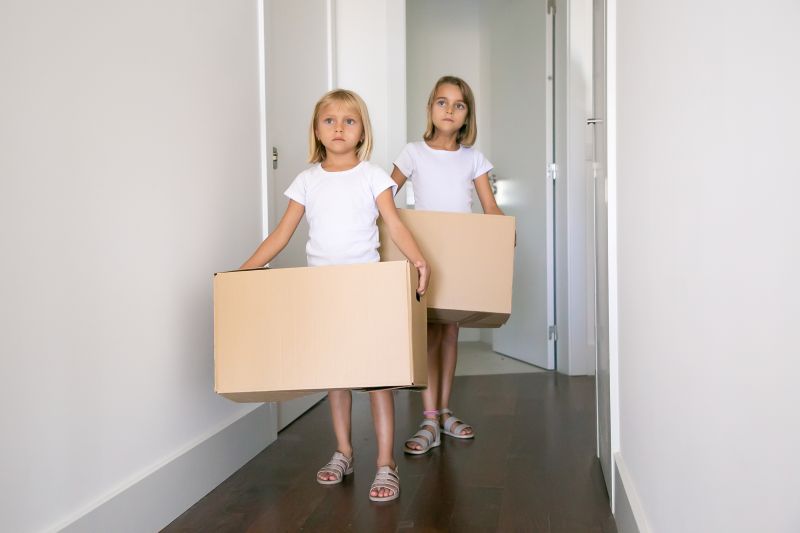
Alright, so if the children’s rooms can be sorted first, do that. No, not perfectly, and not with every shelf styled and every picture hung, but enough that their bed, favourite blanket, books, toys, and nightlight are where they expect them to be. But why does this matter more? Well, kids need routines more than anyone else. Plus, children usually care far less about the living room being organized than adults do. They want to know where they’re sleeping, where their things are, and if the bedtime routine is still the same.
For example, here, a familiar duvet cover and the same stuffed animal on the pillow can make an unfamiliar room feel less overwhelming. And this is a new environment for them, so it’s already fairly intimidating. This is also why it helps to label boxes clearly and keep important belongings together when working with long-distance movers. Nobody wants to discover that the favourite toy, bedtime book, or baby monitor is packed somewhere inside a box marked “miscellaneous” or whatever else.
So, again, try to set up the kids’ rooms first; above all, they especially need to feel like they’re home with this big transition.
Just Bring Back One Normal Routine ASAP
As you can already guess here, a move can throw every routine off at once. Ideally, here, just bringing back one normal family habit can help. Usually, just something small, like you can cook the meal everyone usually has on a Friday, as an easy example here. Alternatively, put on the programme the family normally watches together. Go for the usual evening walk, even if the route is different now.
Create a Few New Family Traditions
While familiar routines help everyone feel grounded, creating a few new traditions can help the family start building positive associations with the new home. These traditions do not need to be elaborate. Something as simple as ordering pizza on the first night, exploring a local park every Sunday, or choosing a special spot for family game night can help create excitement about the change.
Children often adjust more easily when they have something to look forward to. New traditions signal that the move is not just about leaving something behind; it is also about creating new memories together. Over time, these small moments become part of the family’s story and help transform an unfamiliar house into a place filled with meaning.
Don’t Try to Finish the Whole House Immediately
So, the urge to unpack everything can get intense. For example, boxes start feeling like proof that the move still isn’t over, so every spare moment gets spent opening another one. But some rooms can wait. That’s enough for the beginning. Nothing needs to be perfect immediately. It’s fine to just wait.
Explore the New Neighbourhood Together
One of the fastest ways to feel connected to a new community is to get out and explore it. Take a walk around the neighbourhood, visit nearby parks, find the closest library, or stop by a local café. Even simple outings can help family members feel more comfortable with their surroundings.
For children, seeing where they will play, learn, and spend time can reduce anxiety about the transition. For adults, becoming familiar with local amenities helps replace the uncertainty of a new environment with a growing sense of confidence. The more familiar the area becomes, the more the new house starts to feel like home.
Give Everyone Time to Miss the Old Place
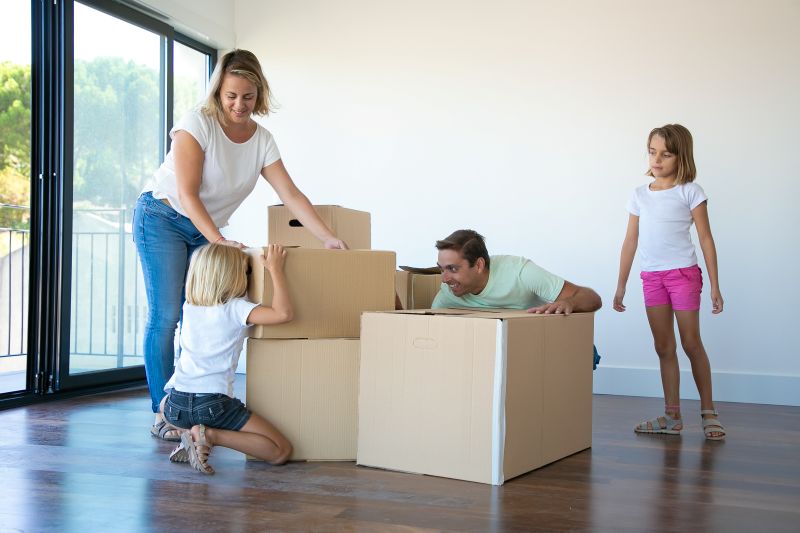
A child can like the new bedroom and still miss the old one. A parent can know the move was the right decision and still feel sad about leaving familiar neighbours, routines, or places behind. It’s fine to miss the old home and how things were.
Besides, home usually builds itself slowly through meals, ordinary mornings, birthdays, tired evenings, and all the little family moments that haven’t happened in the new place yet. So, for now, familiar belongings and familiar routines can carry some of that feeling across.
Moving into a new house is a major life transition, and it takes time for everyone to adjust. By focusing on familiar routines, comfortable spaces, and shared family experiences, you can help turn an unfamiliar house into a place that feels welcoming and secure. Before long, the new house will no longer feel new—it will simply feel like home.