Eco-Friendly Pest Treatments: The Conscious Homeowner’s Guide
5 min read
808 words
James here! Let’s face it: finding an ant army marching across your kitchen counter or a mosquito squadron treating your backyard like an all-you-can-eat buffet is enough to make anyone want to reach for the strongest chemical spray on the shelf. But at what cost? There is a growing movement of homeowners asking if we really need to turn our living spaces into hazmat zones to keep the bugs at bay. The good news is that eco-friendly pest treatments are not just for people who hug trees and drink kale smoothies. They are a smart, effective way to reclaim your space without putting your children, your pets, or the local bee population at risk. In this guide, we will explore how to manage unwanted house guests using natural ingredients and low-toxicity strategies that prioritize the planet while getting the job done.
What Are Eco-Friendly Pest Treatments?
At their core, eco-friendly pest treatments are methods designed to minimize environmental and health impacts. Unlike traditional chemical pesticides that often act like a sledgehammer, eco-friendly strategies focus on prevention, natural ingredients, and targeted treatments.
Eco-friendly vs. Organic vs. Chemical: While “organic” refers to natural origins, “eco-friendly” looks at the entire lifecycle of the product. Chemical pesticides often rely on synthetic toxins that stick around in the soil and water. Eco-friendly alternatives break down quickly and target specific pest behaviors rather than nuking the entire ecosystem.
Why Choose Eco-Friendly Pest Control?
- Safety First: Babies crawl on floors and dogs lick everything. When looking for effective protection that won’t put your loved ones at risk, you need to know exactly which active ingredients are safe and which ones to skip. We have compiled a comprehensive list of the safest options in our latest article: Best Bug Repellents Safe for Kids and Pets (2026).
- Pollinator Protection: Your garden relies on bees, butterflies, and dragonflies. Chemical sprays don’t discriminate; eco-friendly treatments target the pests while leaving the beneficial insects unharmed.
- Long-Term Sustainability: Chemicals often lead to “pest resistance,” where insects evolve to survive the poison. Natural methods are harder for pests to outsmart.
- Environmental Integrity: You are protecting your local groundwater and soil health from persistent synthetic chemicals.
How Eco-Friendly Pest Control Actually Works
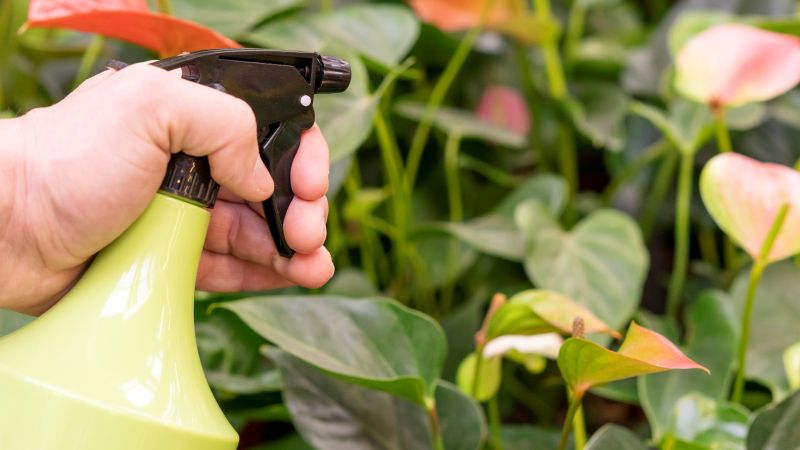
Eco-friendly pest control is most effective when it targets pests at different stages of their life cycle rather than relying on a single knockdown treatment. Instead of overwhelming chemicals, these methods disrupt breeding, feeding, and nesting patterns.
Most pests rely on three things to survive: food, water, and shelter. Eco-friendly treatments work by removing or altering these conditions. For example, eliminating standing water stops mosquito larvae from developing, while natural scents like peppermint interfere with ant communication trails. Over time, this creates an environment where pests struggle to establish themselves.
Common Household Pests and Natural Solutions
1. Ants
Instead of harsh sprays, create natural barriers. Food-grade diatomaceous earth is a powerhouse that dehydrates insects on contact. A simple spray of vinegar and water disrupts their scent trails. You can also use peppermint or tea tree oil at entry points to keep them out.
2. Mosquitoes
Managing effective mosquito control requires addressing the root cause: water. Remove standing water in birdbaths, gutters, and plant trays, as these are primary breeding grounds. For a deeper dive into protecting your outdoor space, read our full guide on Backyard Mosquito Control: How to Reclaim Your Yard. It covers specific landscaping strategies and natural deterrents like citronella and lavender that help you manage persistent swarms without resorting to harsh chemical fogging.
Extra Tip: Timing Matters
Mosquitoes are most active at dawn and dusk, so applying natural repellents and ensuring airflow during these times can significantly reduce bites.
3. Flies
For the fly on the wall, apple cider vinegar traps are a classic for a reason. Keeping your kitchen clean and sealing food sources is the best defense. Herbs like basil and mint placed on windowsills act as natural deterrents.
The Ultimate Prevention Checklist
- Kill the Water: Eliminate standing water to stop mosquito breeding.
- Seal the Fortress: Use caulk and weather stripping to close entry points.
- Landscaping: Keep trees and bushes trimmed away from the exterior of your home.
- Cleanliness: Manage your compost and garbage bins. A clean bin is a pest-free bin.
Frequently Asked Questions (FAQ)
What is the safest pest control for homes with pets?
Food-grade diatomaceous earth and diluted vinegar solutions are generally considered the safest options for homes with pets when applied correctly according to label directions.
Do eco-friendly pest treatments really work?
Yes, they work effectively when used as part of an Integrated Pest Management (IPM) approach. They focus on prevention and consistent maintenance rather than solely relying on a chemical “kill-all” spray.
How often should eco-friendly treatments be applied?
Unlike synthetic pesticides that promise long-term chemical residuals, natural treatments often require reapplication after heavy rainfall or every few weeks to maintain efficacy.