Best Outdoor Soil Canada Guide for Healthy Gardens
5 min read
850 words
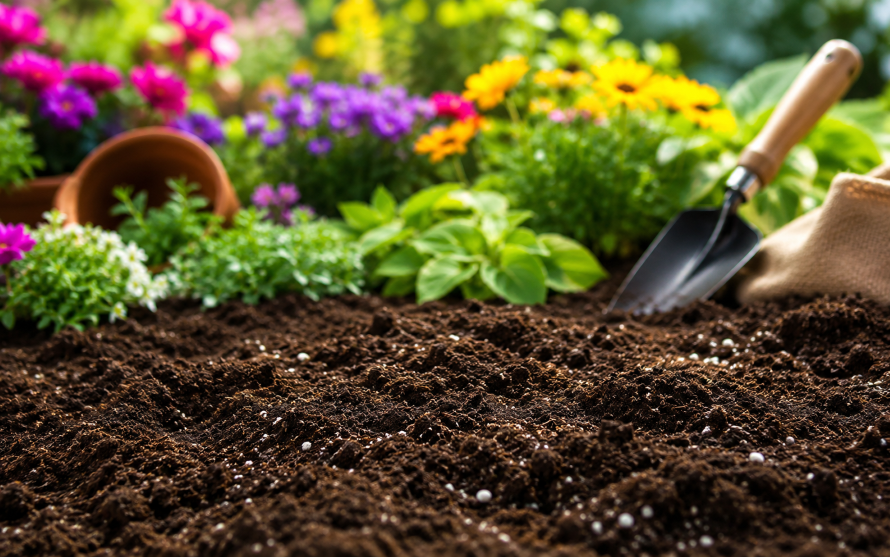
Gardening in Canada is both rewarding and uniquely challenging. One of the most popular gardening movements this year is the Grandma Garden . It takes, a nostalgic approach to lush, colorful, and pollinator-friendly planting. But even the most beautiful garden design starts from the ground up. The best outdoor soil in Canada is the foundation of every thriving garden; especially in a country with short growing seasons and diverse climate zones, from the humid summers of Ontario and Quebec to the dry Prairies and the coastal conditions of British Columbia. Success in the garden begins long before planting, with the soil beneath your feet. Understanding why the best outdoor soil in Canada varies by region is essential for gardeners.
Understanding Canadian Garden Soil Conditions
Heavy Clay Soil Ontario and Quebec
Dense and nutrient rich but slow to drain. Often becomes compacted after spring thaw. Can lead to root rot if not amended with organic matter.
Sandy Soil Prairies and Coastal Regions
Easy to dig and work with. Drains quickly, often losing nutrients and moisture. Requires frequent enrichment with compost.
Acidic Forest Soils
Common in heavily wooded regions. Can limit nutrient availability for many plants. Often needs pH balancing for vegetables and ornamentals.
Freeze Thaw Cycles
Repeated freezing and thawing compacts soil. Disrupts root systems and soil structure. Makes spring preparation especially important.
What Makes a High Quality Outdoor Plant Soil
Organic Matter
Compost, worm castings, and sustainable peat alternatives improve fertility and structure while feeding beneficial microbes.
Aeration Materials
Perlite, bark fines, or coconut coir help prevent compaction and ensure roots receive oxygen.
Balanced Moisture Control
Ideal soil holds moisture without becoming waterlogged. This is especially important during wet springs and dry summer stretches.
Nutrient Balance N P K
Nitrogen supports leafy growth, phosphorus encourages roots and blooms, potassium strengthens overall plant health.
Healthy Microbial Life
Beneficial bacteria and fungi support nutrient absorption and long term soil health.
Best Soil for Flowers, Vegetables and Pollinator Gardens
Best Soil for Flowers Annuals and Perennials
Flowers thrive in light well draining soil that avoids excessive nitrogen which promotes leaves over blooms.
Recommended mix includes compost rich garden soil and peat free organic amendments.
Best for marigolds, petunias, lavender, roses.
Best Soil for Vegetables
Vegetables are heavy feeders that need nutrient dense moisture retentive soil for strong production.
Recommended mix includes high quality topsoil and 30 to 40 percent mature compost.
Tomatoes, peppers, and cucumbers benefit from extra compost or organic vegetable fertilizer before planting.
Best Soil for Pollinator Gardens
Pollinator gardens perform best in low intervention chemical free soil that supports native plant life.
Focus on organic native friendly soil blends with minimal synthetic fertilizer use and mycorrhizal friendly ecosystems.
Best plants include coneflowers, milkweed, bee balm, and black eyed Susans.
Top Soil Brands Available in Canada
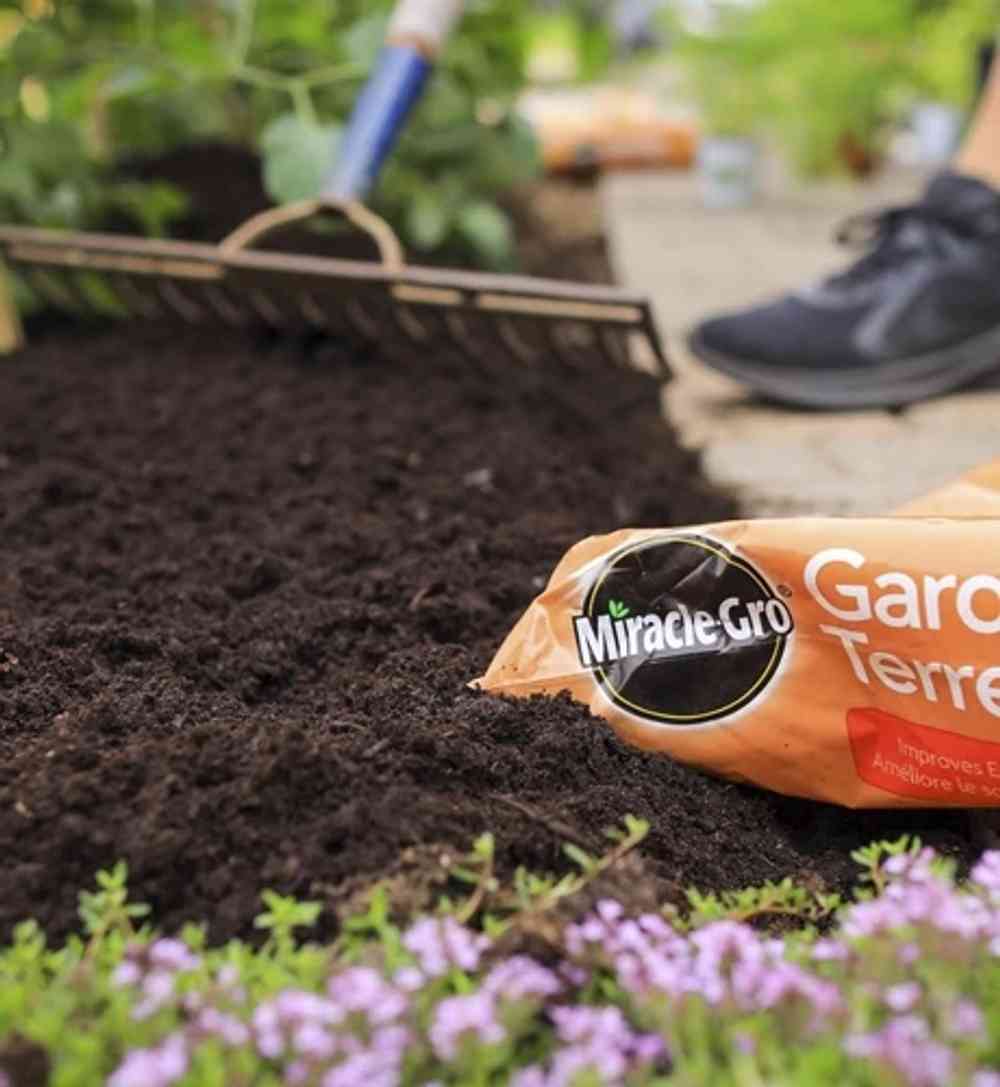
Pro Mix A trusted choice among Canadian growers known for professional grade soil blends and strong aeration performance.
Miracle Gro Widely available across major retailers offering reliable all purpose and specialty garden soils.
Scotts Canada A mainstream option for consistent performance in lawns, gardens, and raised beds.
Coast of Maine Popular organic focused brand known for nutrient rich compost blends.
Black Earth Locally produced compost soils that often outperform mass market options in structure and fertility.
Quick Guide Soil by Use Case
| Plant Type | Soil Goal | Key Ingredient |
|---|---|---|
| Flowers | Drainage and airflow | Perlite or bark fines |
| Vegetables | Nutrient density | Mature compost |
| Pollinators | Natural ecosystem | Organic chemical free soil |
| Containers | Moisture balance | Coir or peat alternatives |
FAQ
What is the best soil for vegetable gardens in Canada
A blend of topsoil and 30 to 40 percent mature compost is ideal. This provides nutrients, structure, and moisture retention needed for Canadian growing conditions.
Can I reuse potting soil every year
Yes but it should be refreshed. Mix in compost, worm castings, or a slow release organic fertilizer to restore nutrients and improve structure.
What type of soil is best for pollinator gardens
Pollinator gardens thrive in chemical free, well draining soil that supports native plants and beneficial soil microbes.
Do I need special soil for flowers
Flowers prefer light, well aerated soil that drains well. Too much nitrogen should be avoided because it encourages leaves instead of blooms.
How often should I replace garden soil
You do not need to fully replace soil. Instead, improve it annually by adding compost and organic matter to maintain fertility and structure.
When selecting products, always compare blends carefully, because the best outdoor soil in Canada will vary depending on whether you are growing flowers, vegetables, or pollinator plants.
Conclusion
Choosing the best outdoor soil in Canada is the most important step toward a healthy, productive garden. In Canada’s demanding climate, investing in rich well balanced and properly structured soil makes the difference between struggling plants and thriving landscapes.
Think of soil as a living ecosystem not just a growing medium. When you improve it your flowers bloom brighter, your vegetables produce more abundantly, and your pollinator garden becomes a healthy refuge for bees and butterflies.
Healthy soil is not a one time purchase it is a long term investment in your garden’s future.