Road Trip Safety Checklist for Canadian Drivers
8 min read
1552 words
There is nothing quite like the freedom of the open road, especially when that road winds through the breathtaking landscapes of Canada. Whether you’re planning a cross-country adventure or a weekend getaway to the cottage, the journey is just as important as the destination. However, long-distance driving comes with unique responsibilities. From unpredictable weather shifts to travelling through vast, remote stretches where services may be hours apart, preparation is the key to peace of mind. By following this comprehensive road trip safety checklist, you can help ensure your next Canadian road trip is safe, smooth, and stress-free.
Why Road Trip Safety Matters
Driving across Canada is a bucket-list experience, but it isn’t without its challenges. Drivers often encounter changing weather conditions, rugged terrain, wildlife crossings, and long distances between service stations.
Fatigue, vehicle malfunctions, and adverse weather can quickly turn a dream vacation into a stressful situation. Proper road trip preparation isn’t just about being organized—it’s about protecting yourself, your passengers, and everyone else on the road.
Following a Road Trip Safety Checklist before you leave can help identify potential issues and ensure you’re prepared for changing road and weather conditions. One of the most important steps is making sure your vehicle is ready for the kilometres ahead.
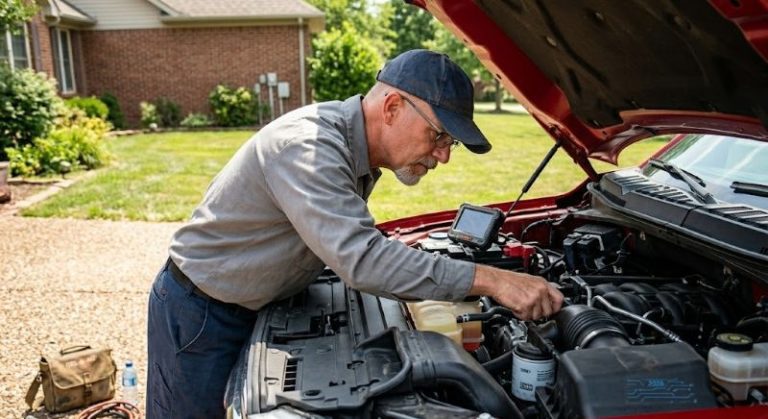
1. Schedule a Vehicle Inspection Before You Go
Before you hit the highway, give your vehicle a thorough health check. If you aren’t comfortable performing this yourself, schedule an appointment with a trusted mechanic.
What to Check
Tires
- Check tread depth and tire pressure.
- Inspect the spare tire.
Brakes
- Ensure brake pads and rotors are in good condition.
Battery
- Extreme Canadian temperatures can weaken batteries.
Visibility
- Test headlights, brake lights, and turn signals.
- Replace worn windshield wipers.
Fluids
- Check engine oil.
- Top up coolant.
- Inspect brake fluid.
- Fill windshield washer fluid.
Quick Pre-Trip Checklist
✓ Tires inspected and properly inflated
✓ Oil checked and topped up
✓ Fluids filled
✓ All lights operational
✓ Battery tested
2. Pack an Emergency Roadside Kit
In Canada, help isn’t always around the corner. A well-stocked emergency kit can make a significant difference if your vehicle breaks down.
Essential Items
- Flashlight with extra batteries
- First-aid kit
- Booster cables or portable jump starter
- Tire pressure gauge
- Reflective warning triangles
- Emergency blanket
- Bottled water
- Non-perishable snacks
- Multi-tool
- Basic tool kit
- Phone charger
- Portable power bank
Winter Travel Additions
- Snow brush
- Ice scraper
- Small shovel
- Sand or kitty litter for traction
- Extra warm clothing
- Additional blankets
3. Get Enough Sleep Before Driving
Driver fatigue remains one of the leading causes of highway accidents. It affects concentration, reaction time, and decision-making.
Signs of Driver Fatigue
- Frequent yawning
- Heavy eyelids
- Difficulty concentrating
- Daydreaming
- Drifting between lanes
- Missing road signs
Road Trip Safety Tip
Take a break every two hours or approximately every 200 kilometres. Stretch, hydrate, and rest your eyes before continuing.
4. Plan Your Route in Advance
Technology is helpful, but it shouldn’t be your only navigation tool.
Before You Leave
- Review your route.
- Identify major fuel stops.
- Locate rest areas.
- Check for road construction.
- Download offline maps.
When Driving Through Remote Areas
- Share your itinerary with family or friends.
- Note areas with limited cell service.
- Carry a paper map as a backup.
Bonus Planning Tip
A successful road trip starts with careful planning. Research attractions, accommodation options, fuel stops, and rest areas before you leave. Having a flexible itinerary can help reduce stress and make the journey more enjoyable. For more planning advice, read our article, How To Plan the Perfect Road Trip and Keep Yourself Safe.
5. Monitor Weather Conditions
Weather conditions can change rapidly in Canada.
Watch for:
- Heavy rain
- Dense fog
- High winds
- Snowstorms
- Ice-covered roads
- Wildfire smoke
Always check forecasts before departing and throughout your trip. If severe weather is expected, consider delaying travel until conditions improve.
6. Stay Focused Behind the Wheel
Distracted driving is a serious safety concern.
Reduce Distractions
- Set your GPS before departure.
- Create playlists in advance.
- Adjust climate controls before driving.
- Avoid texting or using handheld devices.
Travelling With Children or Pets
Ensure children are properly secured and pets are restrained using approved travel equipment to minimize distractions.
7. Share Driving Responsibilities
If another licensed driver is travelling with you, alternate driving duties throughout the trip.
Benefits
- Reduced fatigue
- Better concentration
- Safer driving conditions
- More enjoyable travel experience
If travelling alone, stop regularly and avoid driving late into the night.
8. Keep Your Fuel Tank Above Half Full
Many Canadian highways pass through remote regions where gas stations may be few and far between. Keeping your fuel tank above half full can help prevent unnecessary stress and provide a safety buffer during long stretches of highway driving.
Keeping your fuel tank above half full provides a safety buffer for:
- Traffic delays
- Road closures
- Construction detours
- Unexpected emergencies
With fuel prices continuing to be a concern for many Canadians, some travellers are choosing shorter routes and exploring destinations closer to home. For more budget-friendly travel ideas, read our article, Slow Road Trip: Why $2.10 Gas Makes Summer a Staycation Year.
9. Prepare for Wildlife Encounters
Wildlife collisions are common on Canadian roads, particularly at dawn and dusk.
Common Animals
- Deer
- Moose
- Elk
- Black bears
Safety Tips
- Reduce speed in wildlife zones.
- Scan road shoulders frequently.
- Use high beams when appropriate.
- Never swerve suddenly to avoid an animal.
A controlled stop is often safer than swerving into another vehicle or a ditch.
10. Protect Yourself and Your Passengers
Always make safety a priority.
Before You Drive
- Confirm everyone is wearing a seatbelt.
- Ensure children are in appropriate car seats.
- Secure loose items and luggage.
- Keep emergency contact information accessible.
Even small objects can become dangerous projectiles during sudden stops or collisions.
Common Road Trip Mistakes to Avoid
Even experienced drivers can overlook important safety details.
Avoid these common road trip mistakes:
- Skipping a vehicle inspection.
- Driving while tired.
- Ignoring weather alerts.
- Letting your fuel tank run low.
- Overpacking your vehicle.
- Relying entirely on GPS navigation.
- Forgetting emergency supplies.
- Failing to share your travel plans with someone.
A little planning can prevent major headaches later.
Road Trip Safety Checklist at a Glance
If you’re short on time, use this Road Trip Safety Checklist as a quick reference before heading out on your next adventure.
Before leaving, make sure you’ve completed the following:
✓ Vehicle inspected
✓ Tires checked
✓ Fluids topped up
✓ Battery tested
✓ Emergency kit packed
✓ Phone charger packed
✓ Power bank charged
✓ Route planned
✓ Offline maps downloaded
✓ Weather forecast checked
✓ Fuel tank filled
✓ Water and snacks packed
✓ Registration available
✓ Insurance documents packed
✓ Roadside assistance information accessible
Road Trip Packing Checklist
Vehicle Essentials
✓ Vehicle registration
✓ Proof of insurance
✓ Roadside assistance information
✓ Spare tire
✓ Emergency roadside kit
✓ Tire pressure gauge
Personal Essentials
✓ Drinking water
✓ Healthy snacks
✓ Prescription medications
✓ Sunglasses
✓ Phone charger
✓ Portable power bank
✓ Paper map
✓ Weather-appropriate clothing
Keeping Kids Safe During Your Road Trip This Summer
Travelling with children requires a little extra planning, but taking a few precautions can help make the journey safer and more enjoyable for everyone.
Use Proper Car Seats and Booster Seats
Ensure children are using the correct car seat or booster seat for their age, height, and weight. Check that seats are properly installed and that harnesses fit snugly.
Pack Healthy Snacks and Water
Long hours in the car can leave children feeling hungry and restless. Bring plenty of water and nutritious snacks to help keep everyone comfortable and hydrated.
Plan Regular Breaks
Children often need opportunities to stretch their legs and burn off energy. Schedule stops every couple of hours for bathroom breaks, snacks, and a chance to move around.
Keep Kids Entertained
Books, travel games, colouring supplies, music, and downloaded movies can help prevent boredom during long drives. Packing a few favourite toys can also help younger children feel more comfortable.
Never Leave Children Alone in a Vehicle
Even on mild days, vehicle temperatures can rise quickly. Never leave children unattended in a parked vehicle, even for a few minutes.
For more family travel advice, read our article, Keeping Kids Safe During Your Road Trip This Summer.
Frequently Asked Questions
How often should I stop during a road trip?
Most experts recommend taking a break every two hours or approximately every 200 kilometres. Regular breaks help reduce fatigue and improve concentration.
What should be included in an emergency roadside kit?
A roadside emergency kit should include a flashlight, first-aid kit, booster cables, reflective triangles, bottled water, snacks, emergency blankets, and a phone charger.
What is the most important road trip safety tip?
Never drive while fatigued. If you feel tired, pull over in a safe location and rest. Arriving late is always better than risking an accident.
Is it safe to drive through remote areas of Canada?
Yes, provided you are properly prepared. Carry extra supplies, keep your fuel tank topped up, download offline maps, and let someone know your planned route.
How can I prepare my vehicle for a long-distance road trip?
Check your tires, brakes, battery, lights, fluids, and windshield wipers. If you’re unsure about your vehicle’s condition, have it inspected by a qualified mechanic before departure.
Conclusion
Following a Road Trip Safety Checklist before you travel can help reduce risks and give you greater confidence behind the wheel. A successful Canadian road trip begins long before you turn the key in the ignition. By preparing your vehicle, packing emergency supplies, planning your route, and prioritizing safe driving habits, you can travel with confidence.