
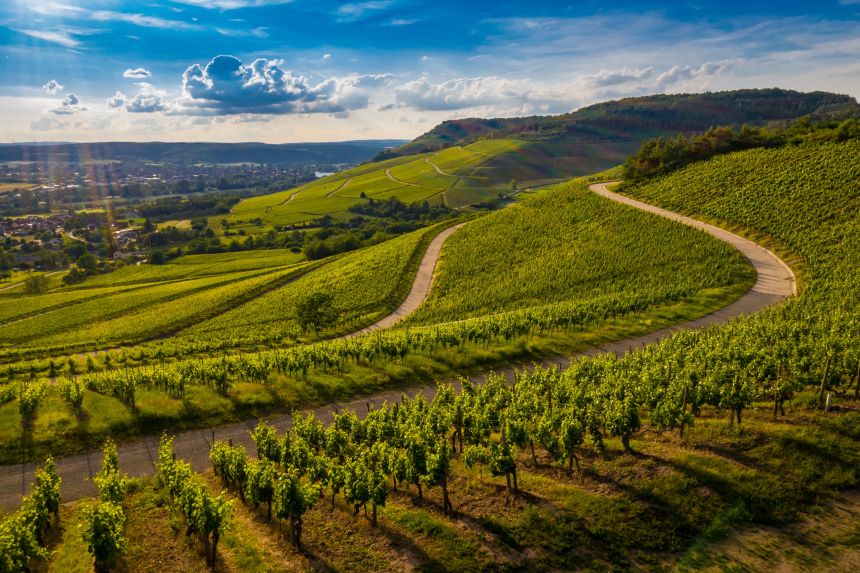
A Weekend Among the Vineyards of the North Fork
4 min read
735 words
The North Fork of Long Island has quietly become one of the more rewarding wine regions on the East Coast, with vineyards spread between small towns, farm stands, and quiet back roads. It is unhurried, walkable, and built around small farms rather than big production wineries. A weekend here feels like a real exit from the city, even though it sits only a few hours away. This is a guide for someone planning a first trip out and trying to decide where to spend their hours.
Why the North Fork Is Worth the Drive
The land here is flat, sandy, and warmed by the bays on either side. That maritime climate is what gives the wines their personality, with crisp whites, light reds, and sparkling bottles that suit a long lunch under a tree.
Most tasting rooms are family run. You will often meet the winemaker pouring at the counter, which makes the visits feel less like a tour and more like dropping in on a neighbor.
The pace is part of the point. You can fit three or four wineries into a day without rushing, and still leave time for a farm stand stop and a long dinner.
Planning the Tasting Route
Route 25, the main road through the North Fork, links most of the vineyards in a loose line from Aquebogue out to Greenport. A weekend lets you sample both ends.
Start in the west around Jamesport and Cutchogue, where you will find some of the older vineyards and bigger tasting rooms with shaded patios. Then move east toward Peconic and Southold, where the rooms get smaller and the pours more personal.
Two or three wineries per day is plenty. Long tastings, light snacks, and a slow drive between stops make for a better weekend than ticking off ten places in a blur.
Where to Stay and Settle In
Greenport is the easy choice for a base. It has a walkable main street, a harbor with a small ferry to Shelter Island, and enough restaurants to keep dinner interesting for several nights.
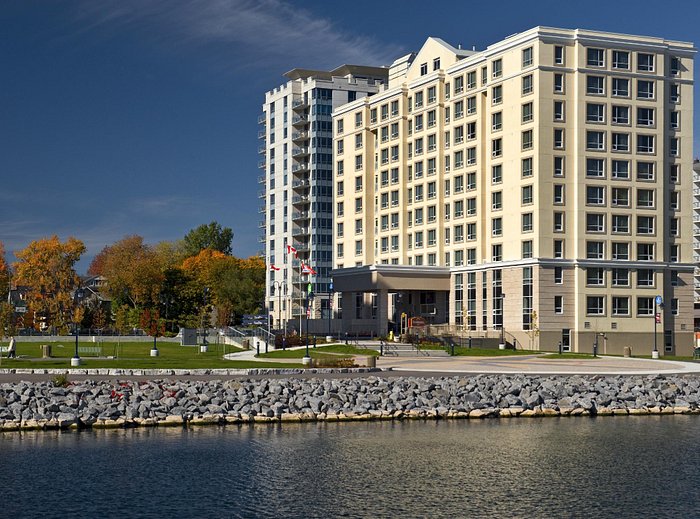
Travelers who want a quieter setting often look for quiet places to stay near the vineyards on the inland side of the fork, where the views open onto rows of vines rather than a busy street.
Either way, plan to spend at least two nights. One night is not enough to taste, rest, and explore without feeling rushed back to the car.
Beyond the Tasting Room
The North Fork has more than wine. Oysters from local bays show up at almost every bar, often shucked at a counter just steps from the dock. Farm stands sell sweet corn, tomatoes, and stone fruit straight from the field in summer.
The waterfront in Greenport is small but layered. There is a working carousel, an old shipyard, and a long pier with a view of Shelter Island. Pick up a coffee, sit on a bench, and watch the boats come in.
For an afternoon away from the road, Orient Point at the very tip of the fork has a state park with marshes, a lighthouse view, and short beach walks. It is a good way to clear the palate between tastings.
A Few Practical Notes
Book tastings ahead in summer and on fall weekends. Many smaller vineyards now run reservations only, and walk-ins can be tight on Saturday afternoons.
If you plan to taste at more than one place in a day, line up a driver or a car service. The roads are quiet but the police are present, and a leisurely visit deserves a sober drive home.
Bring layers. The breeze off the bay can shift the temperature ten degrees in an hour, especially in spring and fall. A light jacket turns an evening on a vineyard patio from chilly into perfect.
A Few Tasting Tips Worth Remembering

Drink water. It is the easy thing to forget when the pours are small and the conversation is good, but a glass between tastings keeps the afternoon long and pleasant.
Eat something at each stop. Most rooms now offer cheese boards, oysters, or small plates, and a bite alongside the wine keeps your palate sharp through the second and third stops.
Take a few notes. The wines start to blur after the fourth flight, and a quick line or two on a phone makes it easier to bring a favorite bottle home with you at the






The North Fork vineyards are such a hidden gem. They often have the most unique stories and flavors that don’t make it to the mainstream wine scene.