Why People Are Obsessed With Japandi Decor
6 min read
1097 words
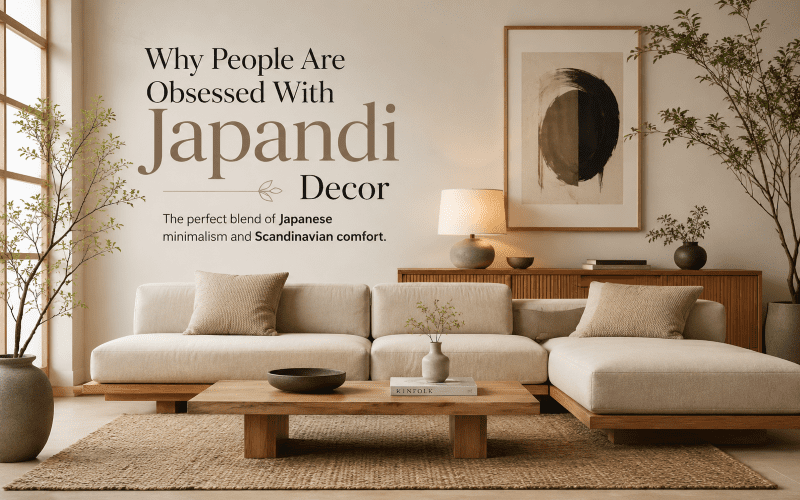
In the fast paced, high tech world of 2026, our homes have become more than just places to sleep. They are our sanctuaries, offices, and wellness retreats. This shift is exactly why Japandi decor has moved from a niche design trend to a global obsession. But what exactly is Japandi decor? Simply put, Japandi is the fusion of Japanese minimalism and Scandinavian functionality. It is the perfect balance between the coziness of Scandinavian living and the Japanese philosophy of finding beauty in simplicity and imperfection. In this guide, we will explore why this aesthetic is dominating social media and how you can bring this peaceful, modern look into your own home.
What Is Japandi Decor?
The Origins of Japandi Style
Although Japan and Scandinavia are geographically distant, their design philosophies share a deep respect for simplicity, craftsmanship, and nature.
Japanese interior design focuses on negative space, natural materials, and appreciation for handcrafted and organic elements. Scandinavian design emphasizes comfort, warmth, functionality, and light filled spaces.
When combined, Japandi creates interiors that feel warm, calm, and inviting without unnecessary clutter. It removes the cold feeling sometimes associated with strict minimalism and replaces it with texture, balance, and comfort.
Key Features of Japandi Interiors
If you are trying to identify Japandi style, look for these signature features:
- Neutral, muted color palettes such as oatmeal, clay, stone, and soft beige
- Natural materials including wood, bamboo, linen, and stone
- Minimalist layouts with open, breathable space
- Functional furniture with clean lines and low profiles
- Texture driven decor using ceramics, wool, and woven materials instead of bold colors
Why Japandi Decor Is So Popular Right Now

People Want Calm, Peaceful Homes
In 2026, environmental wellness has become a major focus for homeowners. Daily life feels increasingly busy and digitally overwhelming, so many people want their homes to feel calm and relaxing. Japandi’s soft colors and uncluttered spaces help create a more peaceful environment.
The Rise of Intentional Living
The era of fast furniture is fading. More homeowners are focusing on intentional living by purchasing fewer, better quality items designed to last longer. This fits perfectly with the Japandi philosophy of sustainability and craftsmanship.
Social Media and Pinterest Influence
From viral living room transformations on TikTok to calming Pinterest boards filled with neutral interiors, Japandi decor has become one of the internet’s favorite aesthetics. Its soft lighting and clean design photograph beautifully and feel effortlessly curated.
Works Well in Small Homes and Apartments
Because Japandi uses light colors, multifunctional furniture, and uncluttered layouts, it works especially well in smaller homes and apartments. The style helps spaces feel brighter, airier, and more spacious.
The Core Elements of Japandi Decor
Neutral Earth Tone Colors
The foundation of Japandi decor is a calming neutral palette. Instead of harsh bright whites, the style leans toward warm and earthy shades such as:
- Beige and cream
- Warm white
- Taupe and sand
- Soft gray and charcoal accents
Natural Wood and Textures
Japandi furniture often combines light woods like oak and ash with darker wood accents for contrast. Bamboo, rattan, linen, and natural fabrics help keep the space feeling grounded and organic.
Minimal but Cozy Furniture
Look for low profile sofas, platform beds, and simple furniture with clean lines. The goal is to keep the room’s sightlines low to the ground, creating a calming and grounded atmosphere.
Soft Lighting
Harsh overhead lighting does not fit the Japandi aesthetic. Instead, use layered ambient lighting with warm white bulbs. Paper lantern style lamps and soft diffused lighting help create a cozy atmosphere inspired by natural light.
How to Create a Japandi Home
Start With Decluttering
You cannot achieve Japandi style in a cluttered space. Remove unnecessary items and keep only pieces that serve a purpose or bring genuine joy.
Choose Quality Over Quantity
Instead of filling a room with inexpensive furniture, focus on investing in a few timeless pieces made from quality materials.
Add Texture for Warmth
If a room feels too empty, add warmth through texture rather than additional decor. Linen throws, woven baskets, jute rugs, and ceramics can make minimalist spaces feel inviting.
Embrace Negative Space
Do not feel pressured to fill every corner of a room. Empty space is an important part of Japandi design and helps create a calm, balanced environment.
Japandi Decor Room Ideas
Japandi Living Room Ideas
A Japandi living room often features a low neutral sofa, soft linen cushions, a simple wood coffee table, and one statement plant such as a bonsai or fiddle leaf fig tree. A textured rug helps anchor the space while adding warmth.
Japandi Bedroom Ideas
The Japandi bedroom is designed to feel like a peaceful retreat. Low platform beds, neutral bedding, and clutter free surfaces create a calming atmosphere that encourages relaxation and better sleep.
Japandi Kitchen and Bathroom Ideas
In the kitchen, focus on matte finishes, natural wood, open shelving, and handcrafted ceramics. For bathrooms, aim for a spa inspired atmosphere using stone textures, bamboo accessories, and soft lighting.
Common Mistakes to Avoid
Making the Space Feel Too Cold
Using too much gray without enough warmth can make a room feel sterile. Balance cool tones with warm woods and soft textures.
Overdecorating
Japandi spaces rely on simplicity. Focus on a few standout pieces instead of filling shelves with small decorative items.
Using Harsh Lighting
Bright blue toned lighting can ruin the calming atmosphere. Warm white lighting creates a softer and more inviting feel.
Affordable Ways to Get the Japandi Look
You do not need a designer budget to create a Japandi inspired home. Affordable furniture stores often carry simple wood pieces and neutral decor that fit the aesthetic perfectly. Thrift stores are also great places to find vintage wood furniture with clean lines that can be refreshed and styled naturally.
Simple changes such as switching to neutral bedding, adding textured fabrics, and decluttering surfaces can make a big difference without spending a fortune.
Is Japandi Decor Here to Stay?
Unlike short lived decorating trends, Japandi is built around timeless ideas like balance, simplicity, sustainability, and comfort. Because it focuses on wellness and intentional living, many experts believe it will remain popular for years to come.
Final Thoughts
The obsession with Japandi decor is not just about appearance. It is about creating a home that feels calm, balanced, and comfortable. By focusing on quality, natural materials, and thoughtful simplicity, you can create a space that feels peaceful and welcoming every day.
If you want to try the trend yourself, start with one room at a time and slowly build a home that reflects the calm and comfort of Japandi living.