Getting Your Wood Deck Summer-Ready: Your Comple Guide
4 min read
720 words
Your wood deck is more than just an outdoor space; it’s an extension of your home. However, exposure to the elements takes a toll that goes deeper than the surface. Whether you are looking to revitalize a weathered space or simply protect your investment, mastering the art of deck maintenance is the secret to longevity. In 2026, where the cost of premium lumber remains high, restorative care is a much more sustainable and budget-friendly choice than a full teardown.
Many homeowners believe that if a wood deck isn’t rotted, it’s healthy. Unfortunately, the truth is a bit more complex. When ultraviolet rays strike your wood, they dismantle lignin, which is the natural glue that binds wood cells together. Once this binder is compromised, the outer layers become fragile, leaving the wood susceptible to damage long before you spot obvious decay.
Timing is Everything: The Temperature Factor
Many homeowners jump into spring cleaning as soon as the frost thaws, but timing is critical for effective results. Professional-grade detergents rely on chemical reactions that simply do not happen in the cold. If your overnight temperatures are consistently below 7°C (45°F), your cleaning agents will lose their effectiveness. In Ontario, this often means waiting until the “true” spring arrives in May to ensure your cleaning solution can do its job properly.
Skip the Vinegar: Professional Cleaning Tips
While some online blogs advocate for vinegar solutions, there is no scientific evidence that acetic acid effectively combats outdoor mold and mildew.
Instead, opt for an oxygen-powered detergent. These formulas are highly effective at lifting fungus without stripping away the natural silvery patina that many homeowners cherish for both aesthetics and defense. When tackling tough dirt, resist the urge to pull out the pressure washer. Forceful water jets can tear into the wood fibers, causing permanent splintering. A firm, manual scrubbing tool is often the safer, more effective choice for a long-lasting, smooth finish.
Inspecting the Hardware
Restoring a wood deck isn’t just about the wood; it’s about the structural integrity of the fasteners. Over time, metal screws can become up to 30% weaker due to chemical corrosion. Even if you aren’t near the coast, our harsh Ontario winters and the salt tracked in from the roads can accelerate this process.
As part of your routine, inspect every screw and bolt. If you find rust, swap the fastener immediately. However, use caution: over-torquing a new screw can crack surrounding wood. Additionally, keep an eye out for nail pops. If you see a fastener backing out, it’s often a telltale sign that the joists underneath have shifted, suggesting it might be time for a deeper structural assessment.
The Gap Rule and Airflow
If your wood deck planks are sitting too close together (anything less than a quarter-inch gap) you have a potential moisture trap. Debris and dirt accumulate in these tight spaces, holding dampness against the wood and creating a breeding ground for mold. If you are planning a partial rebuild, ensure you increase the spacing between boards to allow for proper airflow. This simple tweak is a cornerstone of proactive maintenance.
The Splash Test: When to Seal
Before you reach for the stain, perform the splash test. Pour a small amount of water onto your deck.
- Beading Water: If it beads up, the wood is still protected, and you can hold off on sealing.
- Soaking Water: If the water soaks in quickly, it’s time to apply a fresh coat.
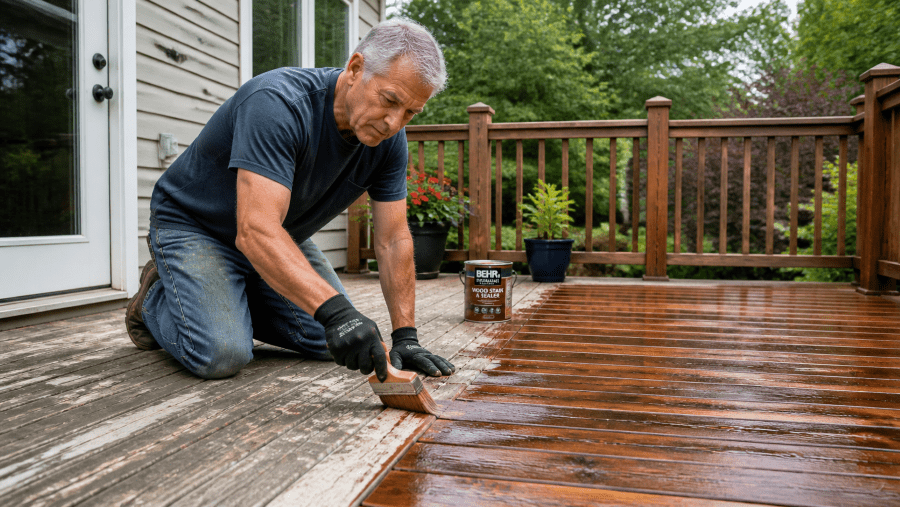
When choosing a product, consider that solid stains typically offer the best protection against UV rays and lignin breakdown. Regardless of what you choose, ensure the timber is completely dry before application. A good rule of thumb is to allow 24 hours of drying time for every inch of wood depth.
Final Thoughts: Creating the Outdoor Living Room
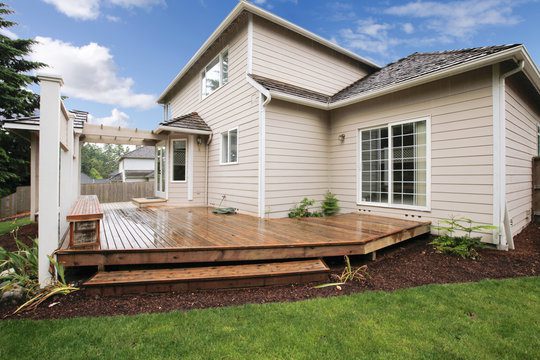
By shifting your maintenance schedule to early summer, you ensure your wood deck is prepared to handle the peak intensity of the sun. A well-maintained deck serves as the essential foundation for today’s top lifestyle trends, like outdoor kitchens and cozy fire pit zones. Taking the time to care for your wood today will pay dividends in beauty, safety, and home value for years to come.
Ready to start your restoration project? Follow these professional tips to add years of life to your outdoor oasis.