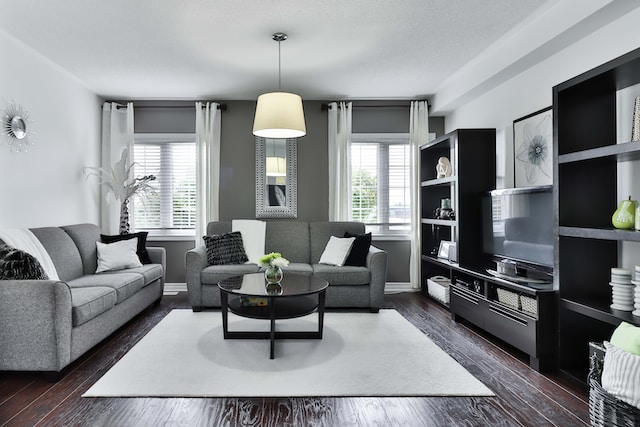

Residential Architecture Firms: Design Your Perfect Home
5 min read
872 words
Creating your dream home? It’s one of those exciting adventures that blends who you are with what you actually need from your living space. Whether you’re starting with a blank slate, breathing new life into an older home, or collaborating with residential architecture firms in Denver to rethink how your current place works for you, the design process touches everything from how rooms connect to which shade of white (yes, there are dozens) belongs on your walls. Here’s the thing, your perfect home goes way beyond pretty pictures in a magazine. It’s about crafting a space that actually supports how you live, showcases what makes you unique, and adapts as life throws its inevitable curveballs your way. With some smart planning and a keen eye for what matters, you can turn any house into that sanctuary you’ve been dreaming about.
Start With a Clear Vision and Functional Layout
Before you get lost scrolling through those gorgeous furniture catalogs, pause and think about what “perfect” actually means for your life right now. How do you really use your spaces every single day? Sometimes we get stuck thinking a dining room must be a dining room, when maybe you’d rather have that killer home gym or art studio you’ve been craving. Does your household need walls and doors for privacy, or does an open, flowing layout match your entertaining style better? Take an honest walk through where you’re living now. What’s working? What makes you sigh with frustration every time you encounter it? Jot these observations down, they’re gold for figuring out your priorities.
Maximize Natural Light and Strategic Illumination
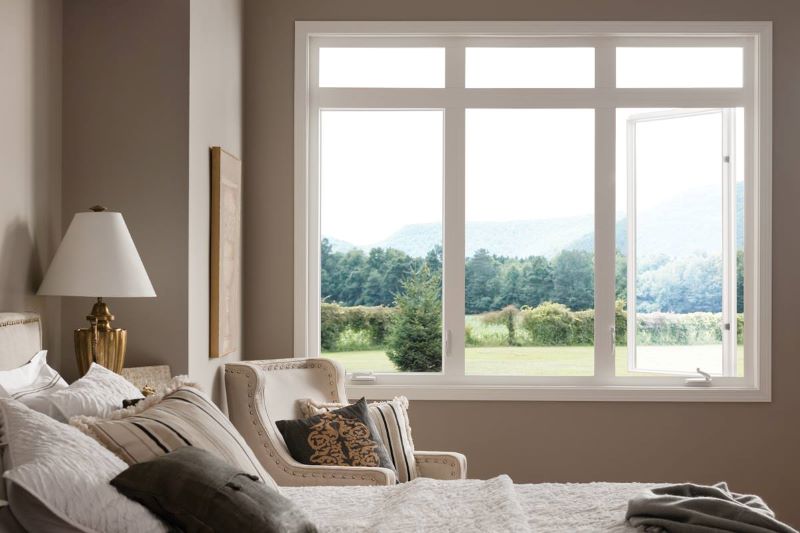
Lighting can make or break how a space feels, functions, and even how big it appears to the eye. Natural light should be your first consideration, really look at where windows are placed and notice how sunlight travels through your rooms as the day unfolds. Can you add bigger windows somewhere? What about a skylight in that dark hallway or glass doors that bring the outdoors in? In spaces where natural light’s limited, mirrors become your secret weapon. Position them across from windows, and suddenly you’re bouncing that precious daylight around like magic.
Choose a Cohesive Color Palette and Material Scheme
Color isn’t just decoration, it actually shapes how we feel in our spaces and can trick the eye into seeing rooms as larger or cozier than they physically are. Pick a core palette of three to five colors that’ll thread through your entire home, creating that sense of flow while still letting individual rooms have their own personality. The 60, 30-10 rule offers a solid starting point: sixty percent dominant color (usually your walls and large furniture), thirty percent secondary color (accent furniture, curtains), and ten percent punch-of-personality accent color (those throw pillows and accessories you love). Neutral foundations aren’t boring, they’re smart.
Invest in Quality Foundation Pieces and Smart Storage
The furniture and built-ins you choose form the bones of your home, they’ll be with you through countless movie nights, family dinners, and lazy Sunday mornings. Go for quality over quantity here. A well-constructed sofa or solid wood dining table might cost more upfront, but they’ll outlast cheaper alternatives by years and maintain their good looks long after trends shift. Scale matters more than most people realize. Furniture that’s too big overwhelms a room and makes it feel cramped, while pieces that are too small just look lost and leave you uncomfortable. Measure everything twice, create a floor plan, and know your dimensions before you buy. When you’re planning bigger changes or building from scratch, professionals who need to translate vision into buildable plans often work with architecture firms in Denver to ensure structural integrity aligns with aesthetic goals. Now let’s talk storage, because clutter is the fastest way to ruin even the most beautiful design. Built-in storage solutions maximize every inch while creating that custom, intentional look everyone wants. Think vertically, why stop at standard cabinet height when you could go all the way to the ceiling? Hidden storage is your friend: ottomans that open up, beds with drawers underneath, window seats that hide seasonal stuff. Give everything a designated home, and you’ll find maintaining order becomes almost effortless.
Personalize With Meaningful Details and Flexible Design
Your perfect home should tell your story, not look like it was plucked from a catalog and dropped into your address. Display the things that matter to you, collections you’ve curated, art that moves you, photos that capture your favorite memories, treasures that spark joy every time you see them. Mix the brand new with the handed-down, the vintage score with the handmade creation. That layering creates depth and character that feels authentic and evolves naturally as you do.
Conclusion
Designing your perfect home isn’t about following a rigid formula, it’s about understanding what makes your life better and bringing that understanding into every choice you make. When you start with clarity about how you actually live, harness the power of light, build a cohesive visual foundation, invest wisely in quality and storage, and layer in the personal touches that make a house yours, you’re creating something that truly works. Remember that great design happens in iterations. You’ll try things, adjust them, refine as you go.