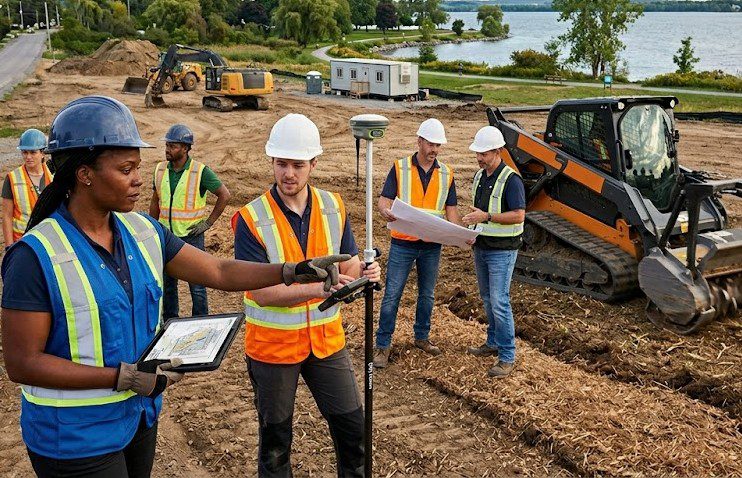
Sustainable Site Prep for Female Property Developers
4 min read
742 words
Women have long been a driving force in the property sector, and industry experts note that a growing number of women are recognizing the power of real estate as a wealth-building tool across both residential and commercial markets. Making the leap from residential investments to commercial property development requires a highly strategic approach. One of the most overlooked aspects of this transition is sustainable site preparation. The methods used to prepare a raw site set the tone for the entire development, impacting everything from the initial budget to the long-term environmental footprint of the property. For female property developers aiming to make their mark, starting with a sustainable foundation is essential.
The Financial and Environmental Impact of Earthworks
Before the first concrete foundation is poured, the land must be meticulously cleared and prepared. Historically, commercial land clearing involved aggressive bulldozing, burning, and hauling away massive amounts of green waste. This traditional approach is not only incredibly expensive but also highly destructive to the local Australian ecosystem. Heavy machinery strips the topsoil, compacts the earth, and disrupts established root systems that naturally prevent erosion. This can lead to significant soil degradation and long-lasting ecological damage.
For modern developers looking to build profitable and socially responsible portfolios, adopting sustainable land management practices is a major advantage. Sustainable site preparation focuses on working with the land rather than fighting against it. By choosing eco-friendly clearing methods, developers can significantly reduce haulage fees, minimise soil erosion, and appeal to a growing demographic of environmentally conscious investors and commercial tenants. It is a smarter way to do business in an increasingly regulated industry. When the initial site preparation is handled with care, it lays the groundwork for a more efficient and compliant construction phase.
Cost-Effective Vegetation Management
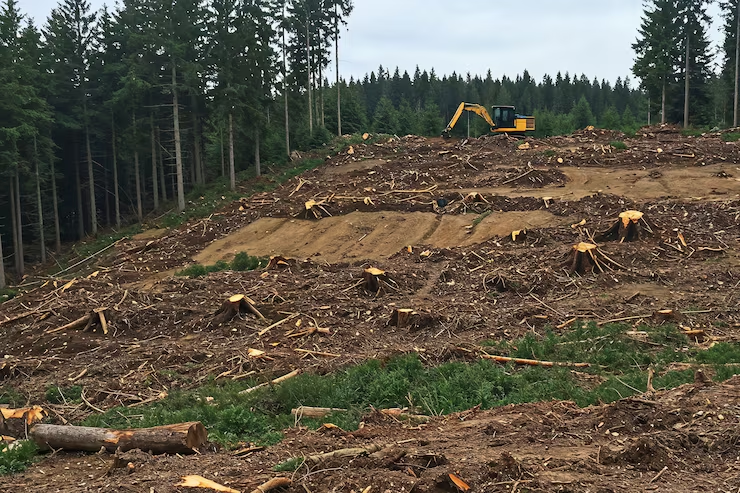
Taking firm control of site preparation costs is crucial for maintaining healthy profit margins on commercial developments. Capital expenditure on earthmoving equipment can quickly drain a project budget. Instead of purchasing expensive heavy machinery outright, savvy developers look for flexible, budget-conscious solutions, such as arranging for mulcher hire, that keep cash flow positive during the early stages of a build. Financial liquidity is especially vital in the preliminary phases, where unforeseen expenses are common.
Forestry mulching is a prime example of a sustainable strategy that actively cuts costs. Rather than uprooting trees and trucking the debris off-site to a landfill, a mulching attachment grinds vegetation down to the stump in a single, efficient step. The resulting organic mulch is simply left on the ground, completely eliminating the need for green waste disposal fees while simultaneously feeding vital nutrients back into the soil. This closed-loop process saves both time and significant transport expenses.
Key Benefits of Eco-Friendly Clearing
Integrating sustainable earthworks into your development strategy offers advantages that go far beyond basic environmental compliance. Here are several compelling reasons why eco-friendly clearing is rapidly becoming the commercial industry standard:
- Nutrient-Rich Soil Retention: Leaving a layer of organic mulch on the ground acts as a natural protective barrier. It prevents valuable topsoil from washing away during heavy rain events and gradually decomposes to enrich the earth.
- Reduced Carbon Footprint: By eliminating the need for multiple diesel dump trucks to haul away vegetation, developers drastically cut down on fuel consumption and greenhouse gas emissions associated with their projects.
- Streamlined Project Timelines: Traditional clearing often involves a tedious, multi-step process of cutting, piling, burning, and transporting. Mulching handles vegetation in a single pass, keeping the construction schedule strictly on track.
- Enhanced Regulatory Approval: Local councils across Australia are implementing stricter environmental regulations for new commercial builds. Demonstrating a clear commitment to sustainable site preparation can often smooth the path through the complex planning and approval stages.
Scaling Your Portfolio with Purpose
Breaking into the commercial real estate market requires clear vision, financial acumen, and a willingness to embrace modern construction methodologies. Female property developers have a unique opportunity to lead the charge in sustainable development, starting from the very ground they build upon.
By prioritising eco-friendly site preparation and making smart equipment decisions, developers can protect the local environment while simultaneously protecting their bottom line. Today’s commercial tenants and buyers place a high premium on green credentials, meaning these early decisions can even boost the final valuation of the property. Ultimately, sustainable land clearing is more than just a green initiative. It is a highly strategic business move that positions your commercial projects for long-term success, enhanced profitability, and a positive community impact.