8 Low Maintenance Landscaping Tips to Fix an Unfinished Yard
7 min read
1206 words
Most lawns don’t look bad—they just don’t look finished. You water it, mow it, and maybe even fertilize it, yet something still feels off. The grass might be uneven in color, the edges look rough, and the whole space doesn’t invite you to spend time there. That “meh” feeling usually comes from small issues adding up, not one big problem. The good news is you don’t need a full redesign to fix it. Embracing low maintenance landscaping through a few focused changes can completely shift how your yard looks and feels. This guide walks you through practical upgrades that actually make a difference, so your lawn starts looking intentional instead of overlooked.
Start With Smarter Watering for Low Maintenance Landscaping
Watering habits shape how your lawn looks more than most people realize. Many yards struggle because water doesn’t reach evenly, leaving some areas dry and others overwatered. Before changing anything else, check how your sprinklers perform. Place a few cups around your lawn during a watering cycle and compare how much water collects in each. Big differences usually point to issues like clogged heads, low pressure, or uneven spray patterns. Focus on timing as well. Early morning watering helps the soil absorb moisture properly and reduces waste. If your system shows signs of wear or poor coverage, a lawn irrigation company can inspect it, repair problem areas, and adjust the setup so water flows evenly across your yard.
Stop Cutting Too Short and Fix Your Mowing Routine
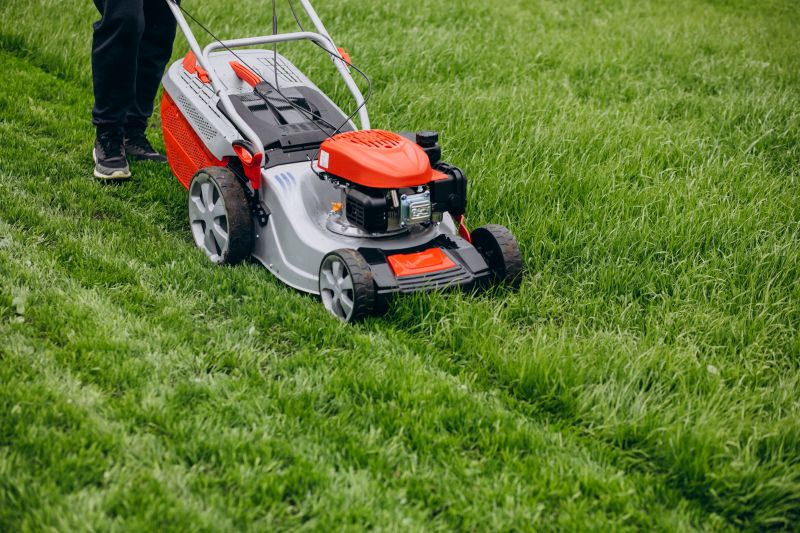
Mowing seems simple, but small mistakes here affect how your lawn grows and looks. Cutting grass too short weakens it and exposes the soil, which leads to dull color and patchy growth. Aim to remove only the top portion of the grass each time. Slightly taller grass holds moisture better and looks fuller. Pay attention to your mowing pattern as well. Repeating the same direction every time can cause the grass to lean and create visible lines. Change direction each week to keep growth even. Sharp blades also matter more than people think. Dull blades tear the grass instead of cutting it cleanly, which makes the lawn look rough within a day or two.
Deal With Bare Spots Before They Spread
Bare patches don’t stay small for long. Once the grass thins out in one area, it often spreads because the surrounding soil becomes weaker and more exposed. Fixing these spots early keeps your lawn looking consistent. Start by loosening the soil slightly so new roots can take hold. Add a thin layer of fresh soil if the area feels compacted. Then apply grass seed that matches your existing lawn. Water it lightly but consistently until new growth appears. Avoid heavy foot traffic during this period. Many people ignore these spots thinking they’ll fill in naturally, but targeted repair works faster and gives you a much cleaner result.
Fix Drainage Issues That Ruin Your Lawn’s Look
If parts of your lawn stay soggy after watering or rain, the problem goes beyond appearance. Poor drainage affects root health and leads to uneven growth that’s hard to fix later. You might notice areas that feel soft underfoot or patches where grass struggles to grow. Part of achieving low maintenance landscaping is observing where water collects and how long it stays there. In some cases, slightly leveling the soil helps redirect water. For more persistent issues, adding simple drainage solutions like shallow channels can make a big difference. Addressing this early keeps your lawn from developing long-term damage and helps maintain a more even, healthy look across the entire space.
Use Simple Lighting to Change How Your Yard Feels at Night
A lawn that looks good during the day often disappears at night. Basic outdoor lighting fixes that and makes the space more usable. Focus on placing lights where people walk or sit. Path lights along walkways improve visibility and make the layout clearer after sunset. Soft lighting near seating areas creates a more comfortable space without feeling harsh. You don’t need complex wiring to get started. Many low-voltage or solar options work well for smaller setups. Keep placement intentional instead of adding lights everywhere. A few well-placed fixtures highlight the best parts of your yard and make the space feel finished once the sun goes down.
Create Defined Areas So the Space Feels Usable
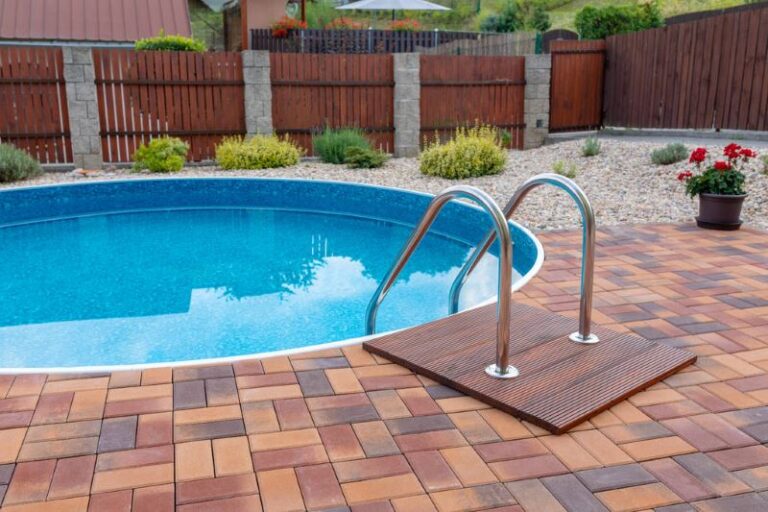
An open lawn without structure often feels underused, even if the grass looks healthy. Defining small areas makes the yard feel more practical and inviting. This is a core part of low maintenance landscaping; start by deciding how you want to use the space. It could be a simple seating area, a small garden section, or a clear path connecting parts of the yard. Use materials like pavers, gravel, or mulch to separate these zones visually. Even subtle changes in texture help guide movement and make the layout easier to understand. You don’t need large installations. A few intentional divisions give your yard purpose and make it easier to enjoy on a daily basis.
Focus on Soil Health for Long-Term Results
Grass health depends heavily on what’s happening below the surface. Poor soil leads to thin growth, uneven color, and ongoing maintenance issues. Start by checking if your soil feels compacted. Hard soil limits root growth and prevents water from soaking in properly. Aerating the lawn helps loosen it and improve airflow. Adding organic matter like compost supports better nutrient balance and encourages stronger roots. Fertilizer can help, but it works best when the soil is already in good condition. Just as you might vet a contractor for a home renovation, pay attention to how your lawn responds over time. Improving soil health creates steady, long-term results instead of quick fixes that fade within weeks.
Stick to a Consistent Care Routine That Actually Works

Consistency makes a visible difference in how your lawn looks week to week. Irregular care often leads to uneven growth and extra work later. Set a simple routine for watering, mowing, and checking problem areas. Water on a schedule that matches your climate instead of guessing each time. Mow regularly without cutting too much at once. Take a few minutes each week to look for early signs of stress, such as discoloration or thinning patches. Small adjustments made early prevent larger issues from developing. A steady routine keeps your lawn looking balanced and reduces the need for time-consuming fixes later on.
A better-looking lawn doesn’t require a full overhaul. Most improvements come from small, focused changes that build on each other. When you fix watering, clean up edges, and stay consistent with care, the results become noticeable quickly. Low maintenance landscaping relies on paying attention to soil, drainage, and layout to help maintain that progress over time. The goal isn’t perfection. It’s creating a space that feels complete and easy to maintain. Start with a few areas that need the most attention and work from there. With the right approach, your yard can shift from average to something you actually enjoy spending time in.