Cold Plunge Sauna: Benefits, Risks, and How to Use It Safely
7 min read
1208 words
In the world of wellness recovery, few combinations are as powerful—or as buzzworthy—as the cold plunge sauna. From elite athletes to weekend warriors, people are embracing the intense contrast of heat and cold to boost performance, reduce stress, and revitalize the body.
But is this ancient practice just a trend, or is there real science behind the sweat and shiver? In this guide, we’ll explore the mechanics of cold and heat therapy, the specific cold plunge benefits for recovery, and how to practice sauna and cold plunge routines safely.
1. Overview: The Power of Cold and Heat Therapy
Cold plunge therapy and sauna sessions have individually been used for centuries across different cultures. However, the modern wellness community has popularized the practice of combining them, often called contrast therapy.
The Rise in Popularity
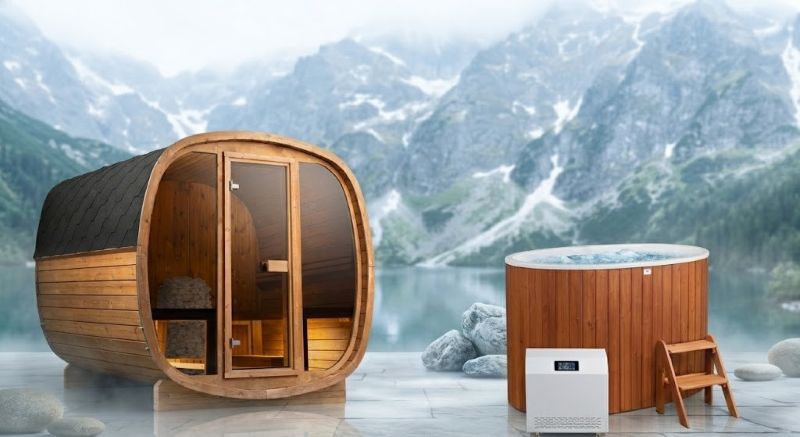
Once reserved for Finnish spas or elite training centers, cold plunge sauna setups are now appearing in gyms and home wellness spaces worldwide. This surge is driven by a growing interest in holistic health, biohacking, and natural recovery methods.
How Combining Hot and Cold Impacts Health
The magic lies in the contrast. Heat causes vasodilation (widening of blood vessels), while cold causes vasoconstriction (narrowing). Alternating between the two creates a “pumping” action in the circulatory system, flushing out metabolic waste and delivering oxygen-rich blood to tissues. This cycle is the foundation of effective wellness recovery sauna routines.
2. What Is a Cold Plunge Sauna?
To understand the practice, we must define the components and the history behind them.
Definition and Origins
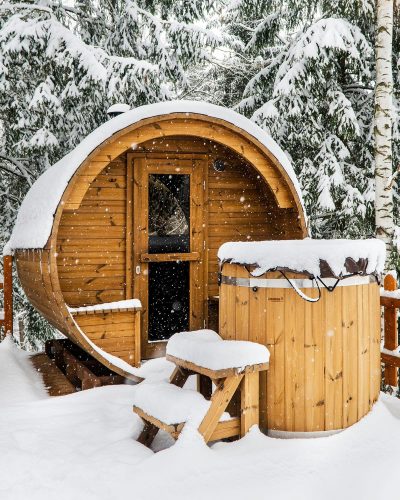
A cold plunge sauna routine involves alternating between a heated sauna (typically 150°F–195°F) and a cold plunge bath (typically 45°F–55°F). This tradition dates back to ancient Finnish rituals, where sauna heat was followed by a dip in an icy lake or snow to invigorate the body.
How It Works: Physiology Explained
When you step into the sauna, your heart rate increases and blood vessels expand, improving circulation. Upon entering the cold plunge, the body reacts instantly: blood rushes to the core to protect vital organs, and upon returning to the heat, fresh, nutrient-dense blood flows back to the extremities. This process impacts metabolism, circulation, and the nervous system.
3. Health Benefits of Sauna and Cold Plunge
The sauna and cold plunge health benefits are extensive, ranging from physical recovery to mental clarity.
Improves Circulation and Blood Flow
The alternating constriction and dilation of blood vessels act as a workout for the cardiovascular system, improving overall vascular health and lowering blood pressure over time.
Reduces Inflammation and Muscle Soreness
One of the most sought-after cold plunge benefits for recovery is the reduction of Delayed Onset Muscle Soreness (DOMS). Cold water immersion constricts blood vessels, reducing swelling and tissue breakdown, while heat helps relax tight muscles.
Boosts Immunity and Athletic Recovery
Regular exposure to extreme temperatures can stimulate the production of white blood cells and heat-shock proteins, strengthening the immune system. For athletes, this combination accelerates the repair of micro-tears in muscles caused by intense training.
Mental Health and Skin Benefits
Beyond the physical, the release of endorphins and dopamine during cold exposure can significantly reduce stress and improve mood. Additionally, the sweating induced by the sauna helps cleanse pores, while the cold plunge tightens the skin, offering a natural detoxification and glow.
4. Risks and Safety Considerations
While beneficial, cold plunge risks and sauna hazards exist if practiced incorrectly.
Who Should Avoid It?
Individuals with heart conditions, uncontrolled high blood pressure, or respiratory issues should consult a physician before attempting cold water immersion. The sudden change in temperature places significant stress on the cardiovascular system.
Hypothermia and Fainting
Overexposure to cold can lead to hypothermia, while excessive heat can cause dehydration or fainting. It is vital to listen to your body’s signals.
Gradual Adaptation
Jumping straight into extreme temperatures can be dangerous. Sauna safety tips include avoiding alcohol before sessions and never entering a sauna or plunge alone if you have underlying health concerns.
5. How to Safely Use a Cold Plunge Sauna
Adhering to cold plunge safety tips ensures you get the benefits without the burnout.
Recommended Timing and Temperature
- Sauna: 15–20 minutes at 150°F–195°F.
- Cold Plunge: 1–5 minutes at 45°F–55°F.
- Cycles: Repeat the cycle 2–3 times, finishing with cold.
Hydration and Breathing
Hydration is non-negotiable. Drink water before, during, and after. When entering the cold plunge, focus on controlled, deep breaths to override the “gasp reflex” and calm the nervous system.
Start Slow
Beginners should start with shorter durations and warmer water temperatures. As your body adapts, you can gradually increase the intensity of the heat and the cold.
6. Cold Plunge Sauna for Athletes vs. Wellness Enthusiasts
While the mechanics are the same, the application differs based on goals.
Athletic Performance Recovery
For athletes, cold water immersion for athletes is a targeted tool. The focus is on reducing DOMS and clearing lactate buildup. Sessions are often timed immediately post-workout. A recovery sauna session later in the day can further aid muscle relaxation without the immediate numbing effect of cold.
General Wellness
For wellness enthusiasts, the goal is often mental clarity and stress relief. The frequency might be lower, but the focus is on the meditative aspect of the breathwork and the mood-boosting effects of the contrast.
7. Future Trends in Contrast Therapy
The world of cryotherapy and sauna combination is evolving rapidly with technology.
Smart Recovery Tech
We are seeing the rise of smart cold plunge tubs and saunas equipped with Wi-Fi-enabled controls, allowing users to set precise temperatures from their phones.
Integration with Wearables
Future trends point toward integration with fitness trackers and recovery apps. These systems will use heart rate variability (HRV) data to offer personalized temperature and timing recommendations, optimizing the wellness recovery sauna experience for each individual.
8. Conclusion
The cold plunge sauna is more than a trend; it is a time-tested method for enhancing physical and mental resilience. By understanding the cold plunge benefits for recovery and respecting the cold plunge risks, you can safely incorporate this powerful therapy into your routine.
Whether you are an athlete seeking faster recovery or a wellness enthusiast looking to reduce stress, the contrast of heat and cold offers a path to vitality. Start slow, stay hydrated, and embrace the chill.
Ready to transform your recovery? Explore cold plunge sauna therapy responsibly today and discover the profound benefits of contrast therapy.
Disclaimer: Health and Safety Risks of Cold Plunge and Sauna Therapy
The information provided in this blog is for educational and informational purposes only and is not intended as medical advice. Cold plunge therapy and sauna sessions, individually or in combination (contrast therapy), can carry certain health risks, including but not limited to:
- Cardiovascular stress (e.g., increased heart rate, blood pressure changes)
- Dizziness, fainting, or hypothermia during cold exposure
- Burns or overheating during prolonged sauna use
- Exacerbation of pre-existing medical conditions such as heart disease, respiratory issues, or skin conditions
Always consult a qualified healthcare professional before starting any new wellness routine, especially if you have underlying health conditions, are pregnant, or are elderly. Use cold plunge and sauna therapy responsibly, follow recommended exposure times, and listen to your body.
The author and website disclaim any liability for injury, illness, or adverse effects resulting from the use of this information.