How to Make Your Home Safer When Expecting a Baby
4 min read
678 words
Preparing for a new baby is an exciting and transformative time, and part of that preparation involves making your home as safe and welcoming as possible. While newborns are immobile at first, they grow quickly, and so does their curiosity. Creating a secure environment early not only protects your child but also gives you peace of mind as you transition into parenthood. Thoughtful planning, small adjustments, and a proactive mindset can make a significant difference in reducing risks throughout your home.
Creating a Safe Nursery Environment
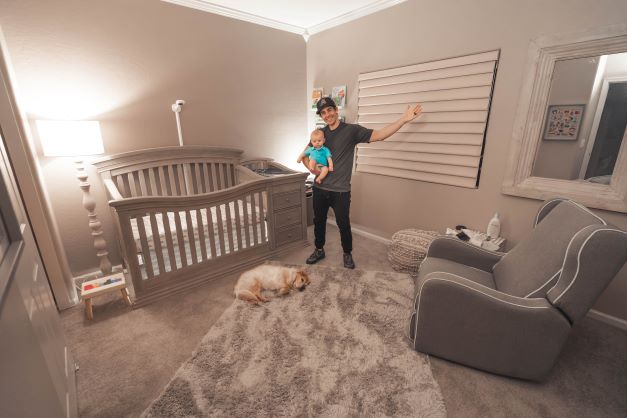
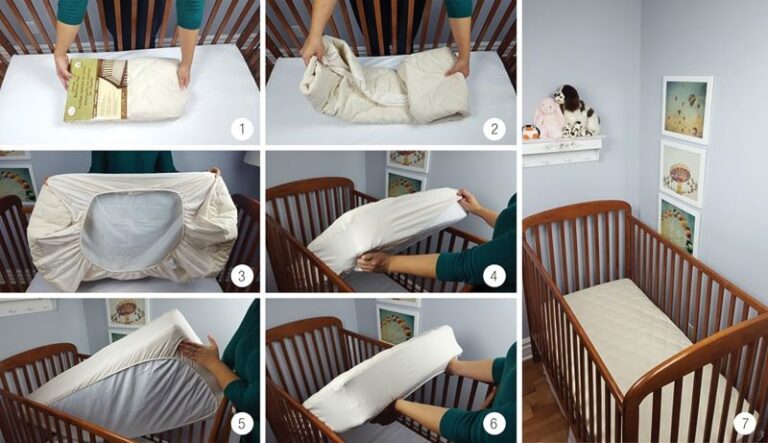
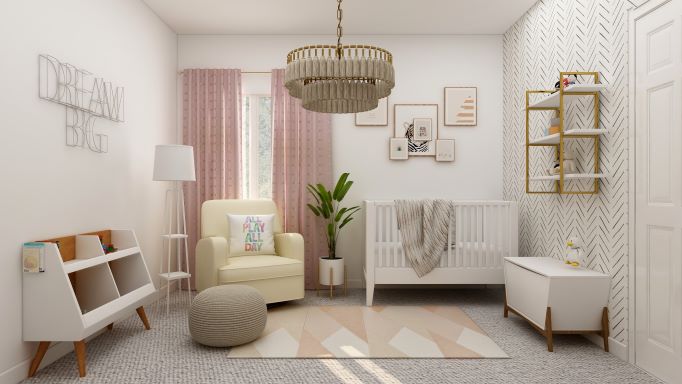
The nursery is often the first space parents prepare, and safety should guide every decision. Start with the crib, ensuring it meets current safety standards with properly spaced slats and a firm mattress that fits snugly. Avoid placing pillows, blankets, or stuffed animals inside, as these can pose suffocation risks. Anchor any furniture such as dressers or bookshelves, to the wall to prevent tipping as your child becomes more mobile. Window coverings should be cordless, and baby monitors should be placed out of reach with cords secured. A well‑organized, clutter‑free nursery reduces hazards and helps you focus on caring for your baby.
Securing the Rest of the Home
Once your baby begins crawling, every room becomes a new adventure. Install safety gates at the top and bottom of stairs, and use outlet covers throughout the home. Cabinets containing cleaning supplies, medications, or sharp objects should be secured with childproof locks. In the kitchen, consider using stove knob covers and keeping hot items away from the edges of counters. Even simple adjustments like placing non‑slip pads under rugs or securing loose cords, can prevent accidents. As you evaluate each room, try to view the space from a child’s perspective to identify potential hazards you may otherwise overlook.
Improving Home Maintenance and Structural Safety
A safe home goes beyond baby‑proofing gadgets; it also includes maintaining the structure and systems of your house. Check smoke detectors and carbon monoxide alarms to ensure they are functioning properly, and replace batteries regularly. Inspect your home for loose railings, uneven flooring, or peeling paint, especially in older homes where lead may be a concern. Roof integrity is another important factor, as leaks or structural issues can lead to mold or water damage. Many homeowners turn to trusted local resources such as aceroofingtexas.com when evaluating or repairing roofing concerns, ensuring the home remains secure and healthy for a growing family. Addressing these maintenance tasks early helps create a stable environment for your baby’s first months and beyond.
Creating Safe Play and Learning Spaces
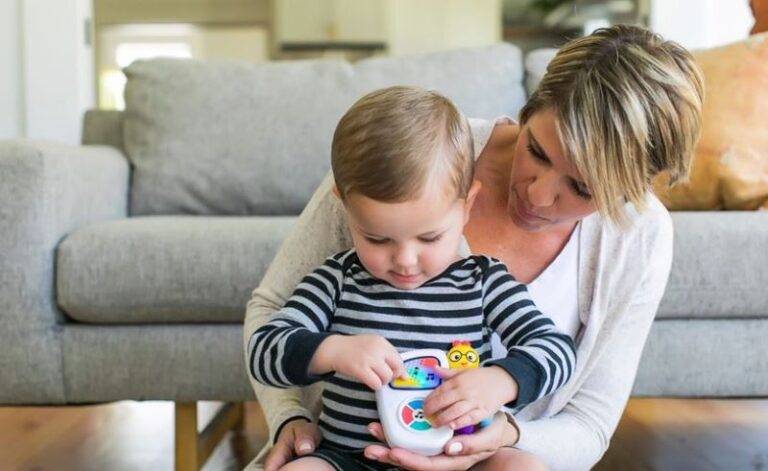
As your child grows, designated play areas become essential. Choose spaces with soft flooring or add cushioned mats to reduce injury from falls. Keep toys organized in bins without heavy lids, and regularly inspect them for broken parts or loose pieces. Avoid placing play areas near windows or heavy furniture, and ensure that any wall‑mounted items are securely fastened. Rotating toys and keeping the area tidy not only supports safety but also encourages healthy development by reducing over stimulation.
Preparing for Emergencies
Even with careful planning, emergencies can happen, so it’s wise to be prepared. Keep a well‑stocked first‑aid kit in an easily accessible location for adults, and learn basic infant CPR and choking‑response techniques. Post emergency numbers in a visible spot and save them in your phone. If you have pets, consider how they will interact with the baby and create boundaries as needed. Establishing routines for locking doors, checking alarms, and monitoring hazards helps ensure your home remains consistently safe as your child grows.
Conclusion

Welcoming a baby into your home is a joyful milestone, and creating a safe environment is one of the most meaningful ways to prepare. By focusing on thoughtful nursery design, securing household spaces, maintaining your home’s structure, and planning for emergencies, you build a foundation of safety and comfort for your growing family. With each step, you’re not just baby‑proofing—you’re creating a nurturing space where your child can explore, learn, and thrive.