Things You Should Know Before Getting A Pool
6 min read
1074 words
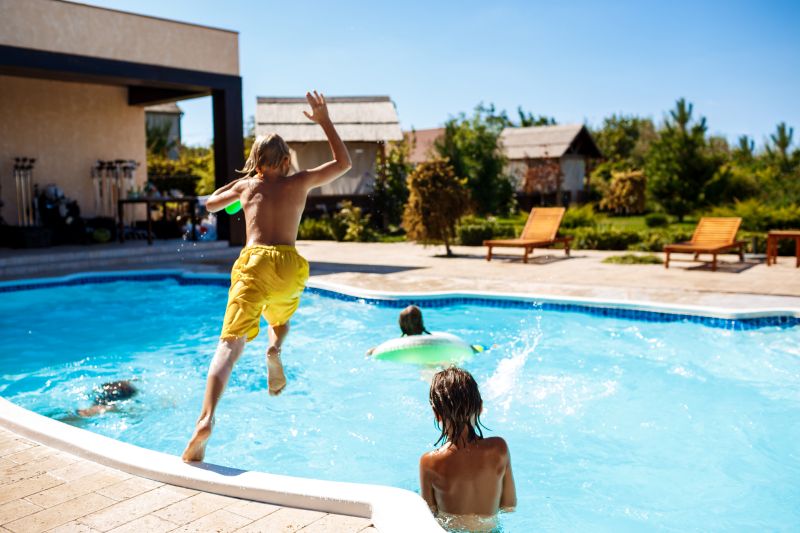
Getting a pool sounds like the dream, doesn’t it? Warm afternoons, a place for kids to burn off energy, relaxing dips after work, and the general feeling of having your own private holiday spot at home… it sounds amazing.
But the truth is that pools are a bigger commitment than a lot of people realise – they’re not just a one-time install and then endless bliss and fun. They come with maintenance, planning, costs, and a few practical realities that are definitely worth knowing about in advance, so keep reading to find out more.
Pools Are A Lifestyle Change
When you get a pool, it has to become part of your routine, and rather than owning it like you might assume, you’ve actually got to manage it, and that can be hard work.
Managing your pool could mean checking chemical levels, cleaning filters, skimming debris, or keeping an eye on water levels, for example. And some people really love doing all that, but others find that it’s quite a bit more work than they thought it would be.
So it’s worth asking yourself whether you want the responsibility or whether you’d rather swim somewhere else and keep your weekends free.
Maintenance Is Constant
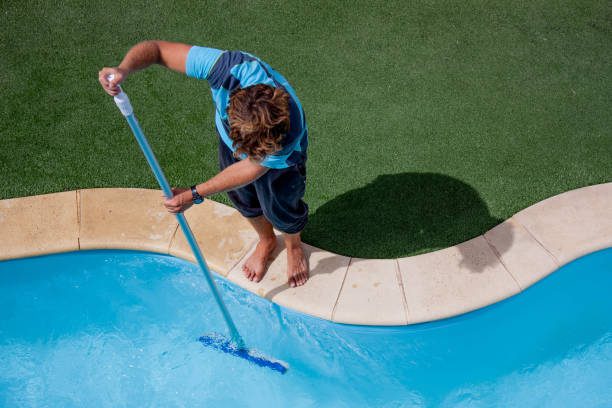
One of the biggest surprises for new pool owners is that maintenance doesn’t stop when summer ends and no one’s using the pool anymore – it’s something that needs to be done the whole year round, in all weathers and seasons.
The fact is that even if you’re not swimming every day, the pool is still going to need plenty of care – leaves can fall in, algae can still grow, and the water chemistry might change too. In the end, pools need regular attention to stay clean, safe, and usable, and that’s true year-round in many climates.
Installation Has More Step Than People Think
Installing a pool isn’t just digging a hole and filling it with water because there are permits you need to get, fencing requirements to think about, safety regulations, landscaping considerations, drainage planning, and sometimes even structural engineering depending on the space you want to use.
It’s a whole process, and it can take a pretty long time, especially if weather and inspections slow things down. That’s why it’s good to get advice and to start the installation well ahead of when you want to use the pool – if you leave it too late, you might even end up missing the good weather and have to wait a year before you can even dip a toe in the water.
Safety Needs To Be Taken Seriously
Pools are definitely a lot of fun, but they’re also a major safety responsibility, especially for families with children or pets. Most areas are going to need proper barriers, gates, or covers, for example, and even more than the legal requirements, safety measures are so important to your peace of mind.
Swimming lessons, having strict rules in place, and always supervising when people are in the pool is all part of pool ownership, whether you like it or not. And if you don’t like it, maybe having a pool just isn’t for you.
Pools Can Increase Costs
It’s easy to just think about the installation price of a pool – that’s big enough anyway. But the truth is that pools come with ongoing expenses, and if you don’t plan for them, you’re going to have a tricky time of things (and you might not be able to use the pool).
You’ll need to think about things like heating, cleaning supplies, repairs, water top-ups, electricity for pumps, and seasonal servicing – it can all add up over time. And although it’s not necessarily a dealbreaker, it is something you’ll need to realistically budget for to make sure you can cover it all.
Repairs Are Part Of The Deal
Even a well-built pool is going to need some repairs eventually because pumps wear out, filters need replacing, tiles crack, covers tear, and sometimes you’ll even get leaks.
That’s where pool leak detection services are important – a small leak can waste huge amounts of water and cause damage if it’s not found early, so if you think you might have a problem in that department, getting experts in to check sooner rather than later can save a lot of time, money, stress, and, of course, water. The fact is that most leaks aren’t all that obvious right away, so having professions who can find the problem quickly is ideal.
Design Choices Are Important
The shape, depth, and finish of your pool might just seem like fun things to think about, but they’re more important than that – they can determine how good (or not) the pool feels to actually use, and even how easy it is to maintain.
A pool that’s mainly designed for lounging, for example, is completely different to one that’s designed for laps or diving. Plus, the materials you choose can also affect cleaning, durability, and long-term upkeep, which is why it’s so important to think carefully about how you’ll actually use the pool and how you’ll be able to take care of it rather than just how it looks.
Landscaping And Surroundings Are Part Of The Pool Experience
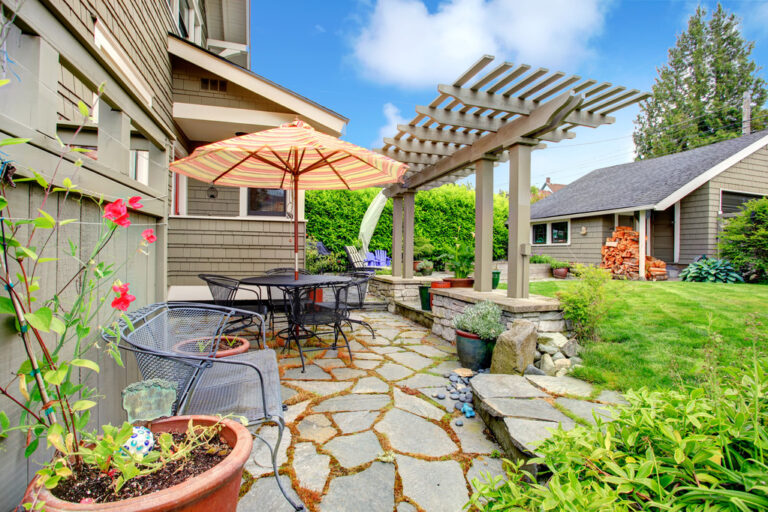
A pool doesn’t exist in isolation – it can’t – and the area around it basically matters just as much as the pool itself. That means things like decking, shade, seating, storage for equipment, and even privacy from neighbours – it’s all got to be taken into consideration.
After all, a beautiful pool with nowhere to sit or no shade when it’s boiling hot isn’t going to be very appealing for long.
Final Thoughts
A pool can be a really incredible addition to a home, and you’ll get lots of fun, relaxation, and a real lifestyle upgrade from one if you choose it. But it’s also a long-term commitment that comes with lots of maintenance, potentially high costs, safety issues, and more.
As long as you go in with realistic expectations, you should be able to enjoy your pool the way you want to – just plan ahead and budget for it all and everything should fall neatly into place.