How to Take Pause While You Declutter
4 min read
670 words
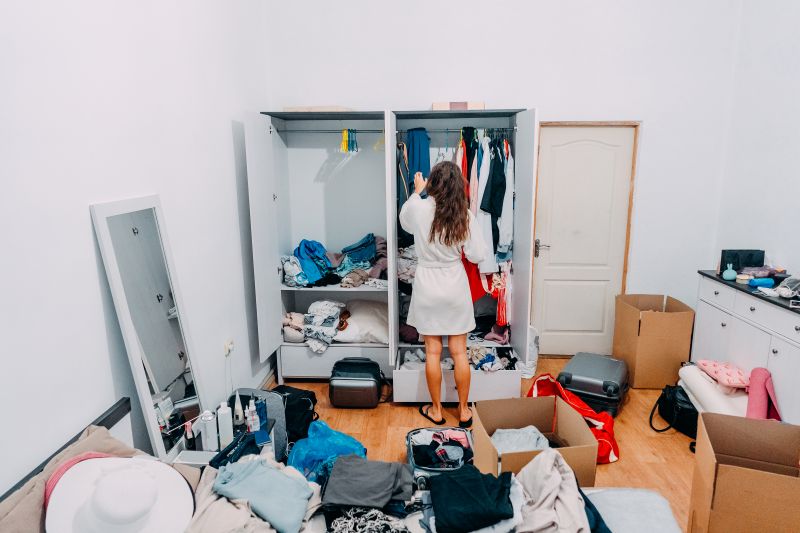
The popular image of decluttering is one of non-stop, aggressive removal of items. Boxes are scattered throughout the space, loud music is playing, and you are celebrating small online shopping victories like finding affordable drawer organizers. Somewhere between the third armful of maybe items and the mysterious cables from 2009, your brain is going to tap out. That’s your cue to pause. Not quit, just pause. Decluttering isn’t a race. It’s a long, leisurely walk where you can rest and enjoy the view.
This stage is where energy is high but mental fatigue quietly sneaks in. Many people mistake that exhaustion for laziness, when really it’s just your mind asking for a reset. Recognizing the difference can completely change how the process feels.
Pausing Is Part of the Process
A pause doesn’t mean that you failed at being a together type of adult, It just means that you’re a human with a nervous system that prefers kindness over chaos. When you stop just for a moment, you give your mind time to catch up with your hands. Decisions become clearer and your emotions have a chance to calm down. Suddenly, you’re not arguing with a chipped mug about its feelings. It’s magic. These small breaks create space for clarity. Instead of reacting emotionally to every item, you begin responding thoughtfully, which leads to better decisions and less regret later.
Creating Breathing Room Makes a Difference
It does help to give yourself breathing room early on by moving excess stuff out of sight. If you’re planning to declutter, it might mean borrowing a spare cupboard or for a short while, using self storage so your home can exhale while you figure things out. Once the pressure is off your physical space, your brain tends to relax too, and you’re no longer making 50 decisions per minute. That is a gift. Pausing can be as small as stepping outside for fresh air or making a cup of tea and staring into the distance. It can also mean stopping for the day and trusting that tomorrow does still exist. Decluttering stirs up memories, guilt, and sometimes it even stirs up the occasional confusing moment where you don’t know why you own something or why you’ve held onto it. Letting those feelings settle before pushing on keeps the process gentle instead of punishing. There’s also a practical upside to pausing.
Reducing visual clutter, even temporarily, lowers stress levels and decision fatigue. When your environment feels calmer, your thoughts tend to follow, making the entire experience more manageable.
Pauses Help You Notice What Matters
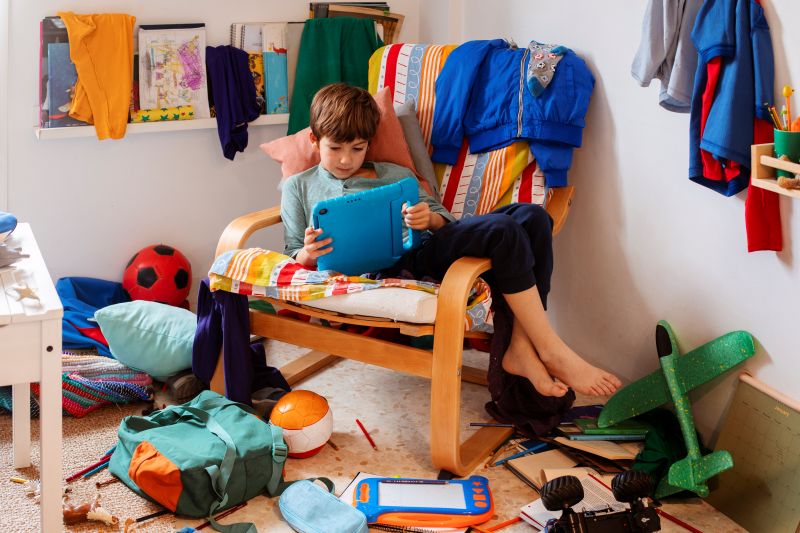
You take pause. You notice what’s working. You might realize that one corner of your home already feels good, and that’s worth celebrating. But you might also spot patterns like holding onto things out of habit rather than love. Those small insights are really easy to hear when you’re not bulldozing through your weekend fueled by caffeine and unrealistic expectations that you’ve suddenly set yourself.
Awareness is one of the biggest hidden benefits of slowing down. These realizations often shape how you approach not just your home, but future purchases and habits too.
Listen to Your Home (and Yourself)
You should always think of decluttering as a conversation with your house. If you’re talking non-stop you miss what it’s trying to tell you. Pauses are when the good stuff comes through and there when you remember why you started in the first place. You started decluttering to feel lighter and calmer. So going out of your mind and feeling overwhelmed isn’t going to help. So the next time you’re mid declutter and you feel that urge to power through at all costs, make sure that you take a pause, sit down and breathe and laugh at the random object in your hand. Progress doesn’t disappear overnight just because you took some rest.
Treating the process with patience turns it from a stressful purge into a meaningful reset. Rest is not the opposite of progress — it’s often what makes progress sustainable.