4 Signs of Alcohol Addiction You Should Not Ignore
6 min read
1159 words
Alcohol is often a normal part of social life. People drink to celebrate special occasions, relax after a long day, or spend time with friends and family. Because drinking is so common, it can sometimes be difficult to recognize when a habit has started to become a problem. The 4 signs of alcohol addiction are not always easy to spot, and they often develop slowly over time. Changes in how much you drink, how you feel when you are not drinking, and how alcohol affects your daily life can all be important warning signs. Recognizing these signs early can help you better understand your relationship with alcohol and make positive changes before it begins affecting your health, relationships, and overall well-being.
1. Your Tolerance Has Skyrocketed
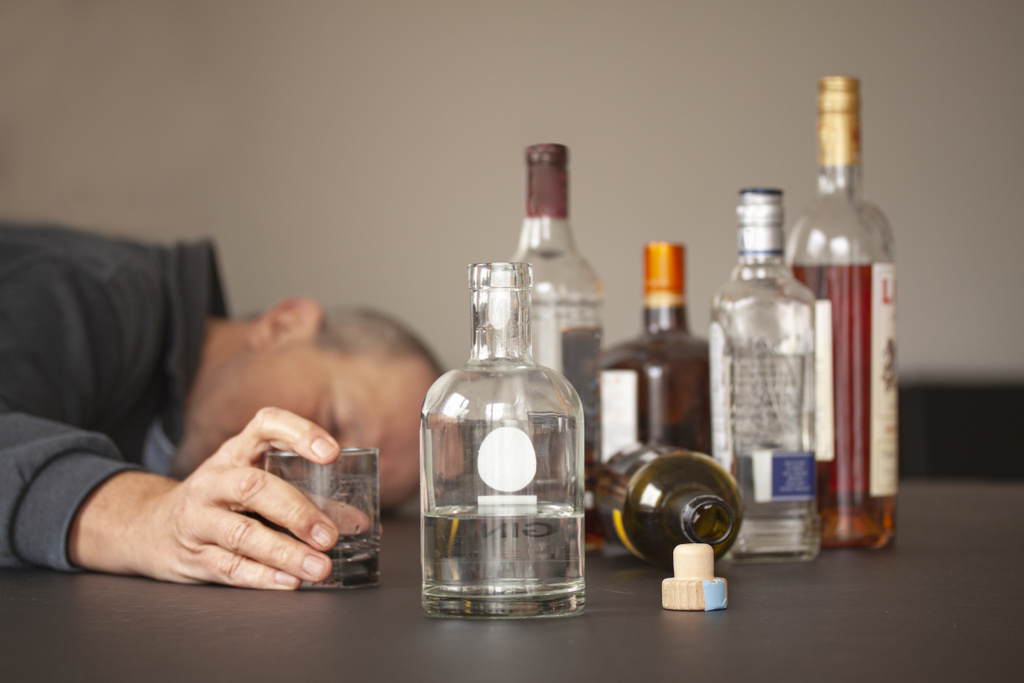
One of the first signs that your drinking habits may be changing is an increase in tolerance. You might notice that the two drinks that once made you feel relaxed no longer have the same effect, and you now need four or five drinks to feel the same way. While people sometimes joke about being able to “hold their liquor,” a higher tolerance can actually be a warning sign.
It means your body has become accustomed to alcohol and needs more to create the same response. Over time, this can lead to drinking larger amounts without realizing how much your consumption has increased.
Regularly drinking above recommended limits can put extra strain on your body. According to health guidelines, consuming more than 14 drinks per week for men or more than 7 drinks per week for women is considered heavy drinking.
Ask yourself:
- Do I need more alcohol than I used to?
- Has my usual amount of drinking increased over time?
- Do I drink more than the people around me?
2. Your Hobbies Are Taking a Backseat
Think about how you spend your free time compared to a few years ago. Are you still hitting the gym, reading, or hanging out with family? Or are those activities fading away to make room for happy hour? When the opportunity to consume alcohol starts dictating where you go and who you see, your priorities have shifted. You might find yourself avoiding events where drinks aren’t served. If you stop doing things that interest you just so you can drink more, that is a clear sign that the balance is off.
This is one of the more subtle signs of alcohol addiction because it often happens gradually. You may not notice that your routines are changing until activities you once enjoyed become less important than drinking. Over time, alcohol can begin taking up more of your thoughts, time, and energy.
You may also notice that you are choosing social situations based on whether alcohol will be available, spending less time with people who do not drink, or giving up hobbies because they no longer seem as appealing. When alcohol starts replacing the activities and connections that bring meaning to your life, it may be a sign that your relationship with drinking needs attention.
3. Your Mood Tanks When You Are Sober
Alcohol affects the brain, including the systems that help regulate mood, emotions, and stress responses. While alcohol may temporarily create feelings of relaxation or relief, those effects can change once the alcohol leaves your system.
Some people notice that when they are not drinking, they experience changes in their mood and overall well-being. They may become more irritable, feel anxious or restless, experience a low mood, or have trouble sleeping. These feelings can sometimes make a person believe that having another drink is the easiest way to feel calm or return to feeling like themselves.
You may find yourself reaching for alcohol after a difficult day, during stressful moments, or whenever uncomfortable emotions appear. Over time, this pattern can create a cycle where alcohol is no longer just something you enjoy but something you feel you need in order to cope.
Feeling better only after drinking can be one of the signs of alcohol addiction because it may indicate that your body and brain are becoming dependent on alcohol. If your mood seems to improve only when you drink, or you feel unable to manage emotions without alcohol, it may be worth discussing your concerns with a healthcare professional.
4. You Can’t Stick to Your Own Limits

We all make deals with ourselves. You might say, “I’ll only have one tonight,” or “I won’t drink until the weekend.” If you find yourself constantly breaking these promises, take note. Alcohol addiction professionals often look at whether a person drinks more or for longer than originally planned. Losing the ability to stop once you start is a major indicator that social drinking has evolved into something more serious.
For many people, this change happens gradually. You may still believe you are in control because you can go days without drinking or because you only drink during certain situations. However, the important question is whether you are able to follow the limits you set for yourself.
You may find yourself making excuses, changing your plans, or telling yourself that one more drink will not make a difference. Over time, these repeated choices can become a pattern that is difficult to break. Feeling like you want to cut back but being unable to do so can be one of the warning signs of alcohol addiction.
Another sign to pay attention to is how you feel after drinking more than you intended. You may experience regret, frustration, embarrassment, or concern about your behaviour. These feelings can be a signal that your relationship with alcohol deserves a closer look.
Catching these patterns early allows you to make positive changes before your health or relationships suffer. Reaching out for professional guidance is a strong step toward reclaiming a balanced life. Even small steps, like cutting back or talking openly, can help you feel more in control again.
Conclusion
If you recognize some of these warning signs in yourself or someone you care about, learning more about alcohol addiction can be an important next step. Our article Alcohol Addiction explores the causes, effects, and support available for those struggling with alcohol use.
Recognizing the 4 signs of alcohol addiction can be an important first step toward making positive changes. Increased tolerance, losing interest in activities you once enjoyed, changes in your mood when you are not drinking, and struggling to stick to your own limits are all signs worth paying attention to.
Having concerns about your drinking does not mean you have failed. It means you are becoming aware of a pattern that may need attention. Whether you choose to cut back, talk with someone you trust, or seek professional guidance, taking action early can help protect your health, relationships, and quality of life.
Alcohol habits can change over time, but support is available. If you recognize these warning signs in yourself or someone you care about, reaching out for help is a positive step toward creating a healthier balance.